
Beautiful Plants For Your Interior
Beautiful Plants For Your Interior
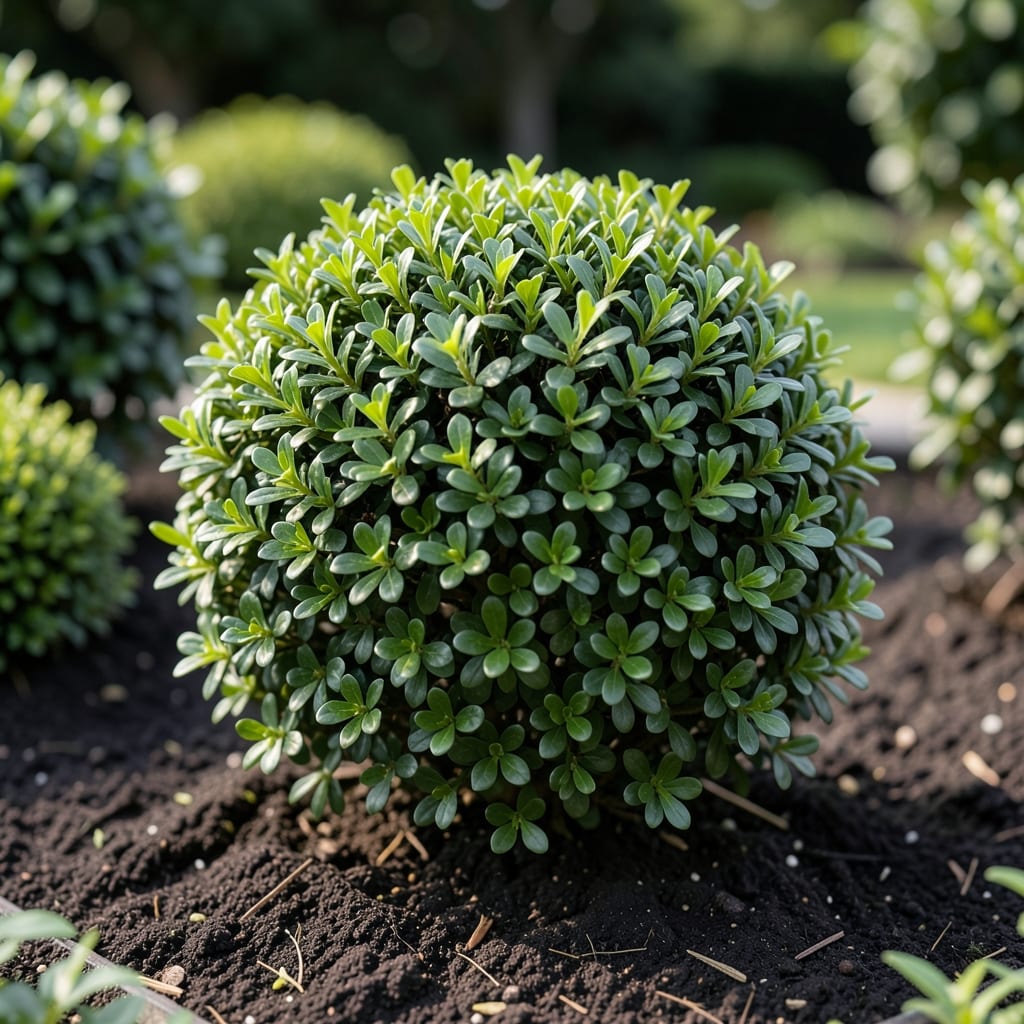
Boxwoods prefer slightly acidic to neutral soil with a pH between 6.0 and 7.5. While they tolerate mild acidity, they are not true acid-loving plants like azaleas or blueberries.
What I love about boxwoods is their adaptability—they handle a pH range of 6.0 to 7.5 without issue, making them far less picky than some garden favorites. 🌿 Unlike azaleas that demand strongly acidic conditions, boxwoods thrive in the same soil many common landscape plants prefer. This flexibility means you can often plant them alongside other shrubs without special soil preparation, though a simple test kit can confirm your soil is in the ideal range.
💡 In This Article
Boxwood nutrient absorption relies on a delicate soil chemistry balance. At pH 6.0-7.5, essential macronutrients like nitrogen, phosphorus, and potassium remain soluble and available. Below pH 5.5, aluminum and manganese become overly soluble, potentially toxic to roots. Above pH 8.0, iron and zinc lock up, causing yellowing leaves despite fertile soil. 🌱
What sets boxwoods apart is their tolerance range. Unlike azaleas that falter above pH 6.0, boxwoods maintain vigor up to pH 7.5. Their root systems produce organic acids that locally adjust pH, creating micro-environments where beneficial microbes thrive. This explains why they often succeed in limestone-based soils where other acid-lovers fail. ✨
The ideal pH also supports mycorrhizal fungi, which form symbiotic relationships with boxwood roots. These fungi extend the root system‘s reach by 300-800%, dramatically improving water and nutrient uptake. In the sweet spot of 6.5-7.0, this partnership operates at peak efficiency, giving boxwoods their characteristic resilience. 💫
Regional soil differences matter. Eastern U.S. soils tend more acidic from decades of pine needle decomposition, while Western soils often contain more calcium carbonate, pushing pH higher. Boxwoods adapt better than most to these variations, though leaf tissue tests reveal they perform best when soil pH stays within that 6.0-7.5 window. ⚡
For comparison, blueberries require pH 4.5-5.5 to access iron, while boxwoods can extract it at nearly double that acidity level. This nutritional flexibility explains why boxwoods often outlive other ornamentals in mixed landscape plantings, maintaining their glossy green foliage across diverse conditions. 🔥
Boxwoods thrive in pH 6.0-7.5, which is slightly acidic to neutral. This range allows optimal nutrient absorption without toxicity risks.
Test your soil with a kit. If pH drops below 5.5, aluminum and manganese may become toxic. Look for slow growth or leaf scorch as warning signs.
Yes, they tolerate up to pH 7.5, though iron may become less available. Amend with sulfur or peat moss if pH exceeds this.
Below pH 5.5, roots may suffer from aluminum toxicity. Gradually raise pH with lime if needed, retesting after 2-3 months.
Test in spring or fall before planting or amending. For established plants, check every 2-3 years to maintain ideal conditions.