
Beautiful Plants For Your Interior
Beautiful Plants For Your Interior
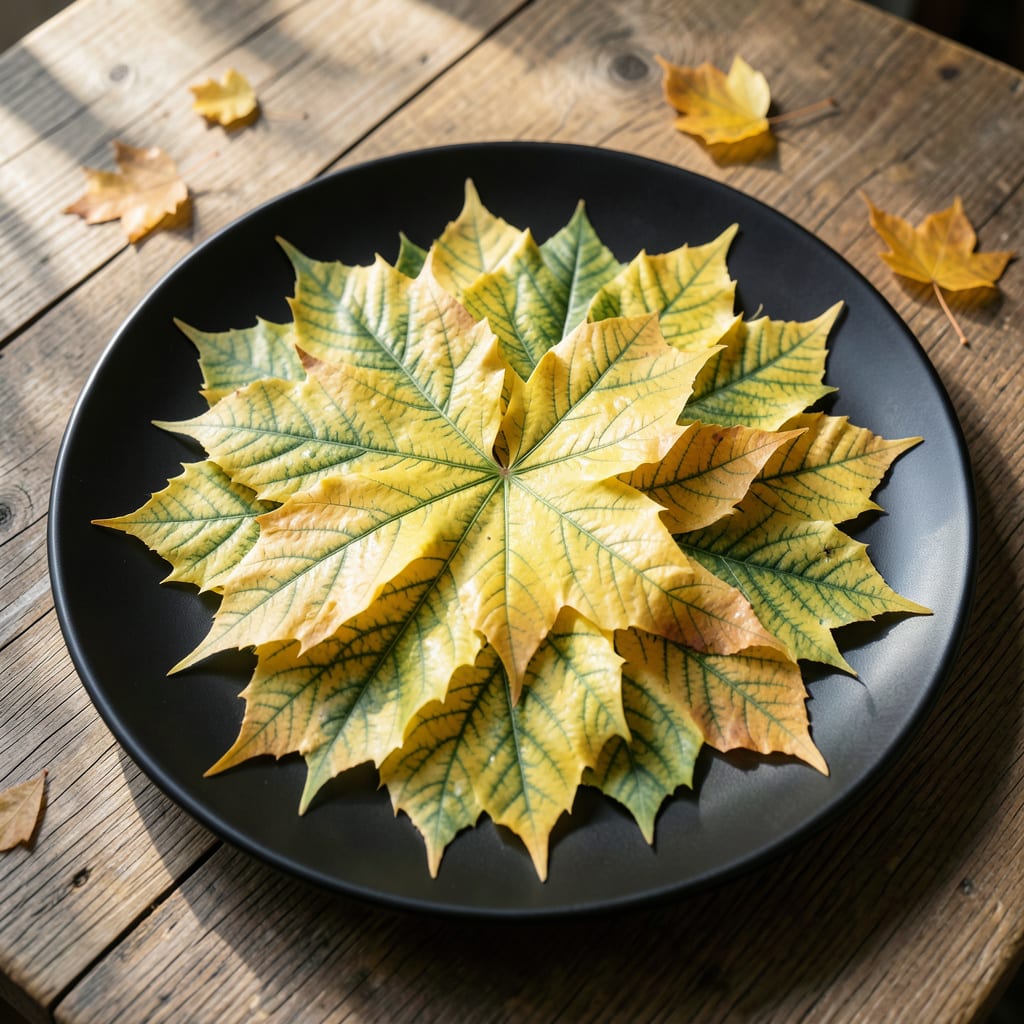
That sinking feeling when you spot yellow leaves with bright green veins. I’ve been there—staring at my once-lush plants wondering if I’d doomed them forever. Turns out, this pattern is your plant’s way of sending an SOS.
Most often, it’s iron deficiency or chlorosis, but other culprits like magnesium shortage or poor drainage can mimic the look. The good news? It’s usually fixable. I’ve nursed countless plants back from this exact issue.
With the right adjustments—soil amendments, better watering, or even a foliar spray—you’ll see new growth return to its vibrant green within 2-3 weeks. The key is acting fast before the problem spreads.
Works for everything from azaleas to citrus trees. Here’s how to diagnose and fix it for good.
When your plant’s leaves turn yellow but the veins stay green, it’s often a sign of an underlying issue. Here are the most common causes, explained simply:
This is the most frequent culprit. Iron is essential for chlorophyll production, which gives leaves their green color. When soil pH is too high (alkaline), iron becomes unavailable to roots, even if it’s present. This leads to yellowing between the veins, while the veins themselves remain green because they contain more resilient cells. Test your soil pH—iron deficiency often appears in soils above pH 7.0.
Similar to iron, manganese is critical for photosynthesis. A deficiency causes yellowing in younger leaves first, with green veins standing out. This often occurs in waterlogged or poorly drained soils, where oxygen levels are low, restricting nutrient uptake. Sandy or highly organic soils may also lack sufficient manganese.
Magnesium is the central atom in chlorophyll, so a lack of it disrupts the green pigment. Unlike iron or manganese deficiencies, magnesium deficiency starts in older leaves first. The yellowing spreads from the leaf edges inward, but veins stay green longer. This is common in sandy or acidic soils where magnesium leaches out quickly.
While nitrogen deficiency typically causes uniform yellowing, severe or prolonged shortages can lead to interveinal chlorosis, especially in fast-growing plants. However, this is less common than the mineral deficiencies above. Over-fertilization with phosphorus or potassium can also lock out nitrogen, creating a similar effect.
Some plant viruses, like Tobacco Mosaic Virus or Cucumber Mosaic Virus, can cause yellowing between veins. Unlike nutrient deficiencies, viral infections often come with mottled patterns, stunted growth, or deformed leaves. If you suspect a virus, remove and destroy affected plants to prevent spread.
Addressing yellow leaves with green veins starts with pinpointing the cause. Below are targeted fixes for the most common issues, along with prevention tips to keep your plants thriving.
If the soil pH is too high (above 7.0), iron becomes unavailable to plants. Lower the pH with sulfur or peat moss, then apply a chelated iron supplement (foliar spray or soil drench). For quick results, use iron sulfate as a soil amendment. Prevention tip: 💡 Test soil pH annually and amend as needed—aim for 6.0–6.5 for most plants.
Magnesium deficiency often shows in older leaves first. Dissolve 1 tablespoon of Epsom salt in a gallon of water and spray it on the leaves or water the soil. Repeat every 2–4 weeks until recovery. Prevention tip: ✨ Mix compost into the soil before planting to naturally boost magnesium levels.
Waterlogged roots suffocate and can’t absorb nutrients. Repot the plant in fresh, well-draining soil with perlite or sand. If repotting isn’t an option, improve drainage by mixing in organic matter like compost or coconut coir. Prevention tip: 🎯 Always use pots with drainage holes and avoid overwatering.
Extreme heat or cold can disrupt nutrient uptake. Move potted plants to a stable, temperature-controlled area (65–75°F is ideal for most). For outdoor plants, use mulch to insulate roots. Prevention tip: 🌡️ Monitor weather forecasts and protect plants from sudden temperature swings.
Start with the most likely cause based on your plant’s growing conditions, and adjust as needed. Consistency in care is key to preventing recurrence!
New growth should return to green within 2-3 weeks if the issue is caught early. Severely affected leaves may not recover but new ones will appear healthy. Consistency in care speeds up the process.
Yes, waterlogged soil restricts oxygen and nutrient uptake, often leading to interveinal chlorosis. Check drainage and let soil dry slightly between waterings.
Acid-loving plants like azaleas, blueberries, and citrus are most susceptible to iron deficiency. Test soil pH annually for these varieties.
