
Beautiful Plants For Your Interior
Beautiful Plants For Your Interior
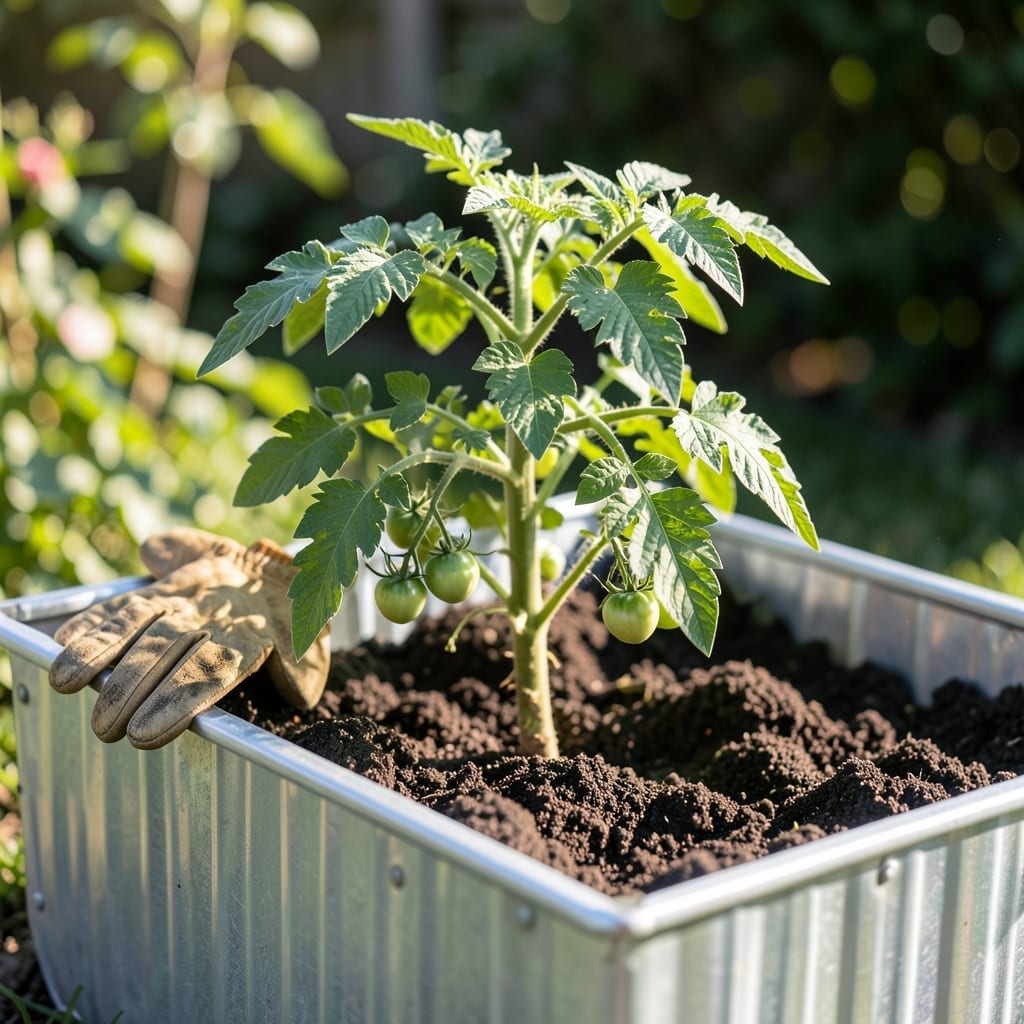
Metal garden beds are generally safe if made from untreated, food-grade metals like galvanized steel or aluminum, but avoid those with toxic coatings or lead-based paints that may leach into soil.
I’ve tested various materials in my own garden, and food-grade stainless steel consistently performs best for both durability and safety. The key concern with lower-quality metals is chemical leaching, which can alter soil pH or even reach your vegetables over time. Always verify certifications and avoid anything treated with unknown sealants or paints. ✨
💡 In This Article
The primary concern with metal garden beds involves chemical leaching into the soil. Galvanized steel, for example, contains a zinc coating that can dissolve into acidic soils with a pH below 6.0.
This process accelerates when soil moisture and temperature rise, potentially exposing plants to zinc concentrations above 50 ppm, which may stunt growth or cause toxicity in sensitive crops like leafy greens.
Older or poorly manufactured beds might contain lead-based paints or coatings. Even trace amounts—like 0.1% lead by weight—can accumulate in edible plants over time. Studies show root vegetables like carrots and beets absorb more heavy metals than fruits or grains, making material choice especially critical for these crops. 🔥
Soil pH dramatically influences leaching rates. In highly acidic conditions (pH 5.5), zinc from galvanized steel leaches 10-15 times faster than in neutral soils. This is why I always test my soil before planting in metal beds—especially for crops with long growth cycles like tomatoes or peppers.
Long-term exposure to leached metals affects both plants and humans. While zinc is an essential micronutrient, excessive levels can inhibit iron and phosphorus uptake in plants. For gardeners, the risk is minimal with proper material selection, but cumulative exposure over years could theoretically exceed safe intake levels from homegrown produce.
Coated metal beds pose another risk. Some industrial coatings contain chromium or cadmium, which can flake off over time. These heavy metals don’t break down and can persist in soil for decades, potentially entering the food chain through plant uptake or direct contact with edible portions. ✨
Avoid lead, copper, or any metal with unknown coatings. Lead is toxic at any level, while copper can accumulate in soil. Steer clear of painted beds unless certified food-safe.
Yes, but only in acidic soils with pH below 6.0. In neutral or alkaline soil, zinc leaching is minimal. Test your soil before using galvanized beds for edible plants.
Food-grade stainless steel lasts 20-30 years, while galvanized steel lasts 10-15 years. Aluminum is lightweight but may bend over time. Durability depends on thickness and climate.
Only if using unsafe metals or in extreme soil conditions. Safe metals like stainless steel have no impact. In fact, metal beds warm soil faster in spring, boosting early growth.