
Beautiful Plants For Your Interior
Beautiful Plants For Your Interior
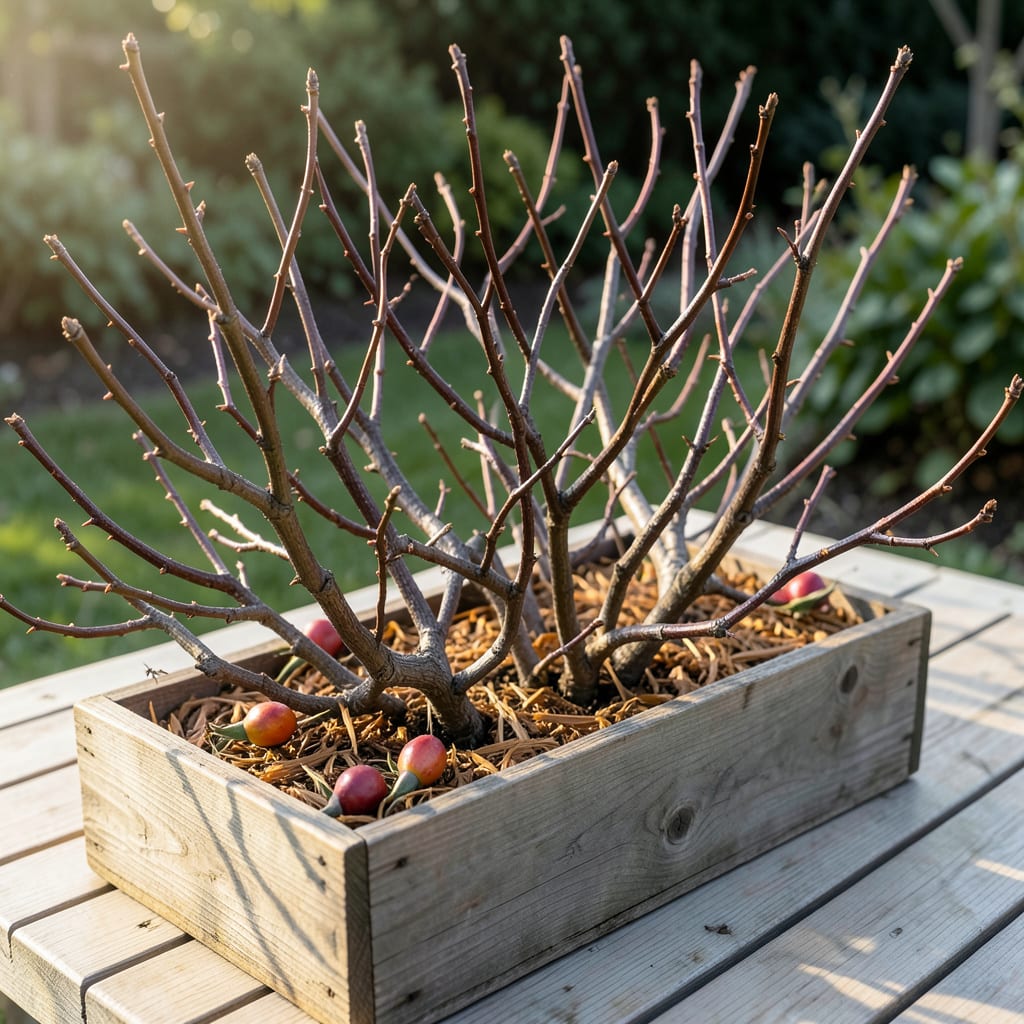
Seeing your rose bushes standing bare is alarming, but it’s often fixable. I’ve nursed many leafless roses back to health, and the first step is identifying why they’re stripped.
Common culprits include pests like aphids, fungal diseases such as black spot, or environmental stress from drought or extreme temperatures. Each leaves distinct clues—yellowing edges, black spots, or chewed leaves.
Once you pinpoint the issue, recovery is straightforward. Prune affected areas, adjust watering, or apply organic treatments. Most roses bounce back within 2-3 weeks with the right care.
Even a completely bare bush can regrow if the canes are still green and firm. Don’t give up—roses are tougher than they look.
When your rose bushes lose their leaves, it’s often a sign of underlying stress or environmental factors. Below are the most common causes, explained with actionable insights to help you diagnose the issue.
Roses thrive in moderate climates, and sudden temperature swings—especially frost or heatwaves—can shock the plant, causing leaf drop. Cold snaps damage tender new growth, while extreme heat increases transpiration, leading to dehydration and defoliation. Check your local hardiness zone to ensure your roses are suited to the climate.
Inconsistent watering is a major culprit. Overwatering suffocates roots, reducing oxygen uptake and leading to yellowing leaves that eventually fall. Conversely, underwatering causes wilting and leaf shed as the plant conserves moisture. Roses need 1–2 inches of water per week, delivered at the base to avoid fungal issues.
Common rose diseases like black spot, powdery mildew, or rust thrive in humid conditions. These pathogens attack leaves, causing dark spots, yellowing, or premature drop. Improve air circulation by spacing plants properly and applying fungicides preventatively (e.g., neem oil or sulfur-based sprays).
Sap-sucking pests like aphids, spider mites, or thrips weaken roses by draining nutrients, leading to leaf curling and drop. Look for visible insects, webbing, or sticky residue (honeydew). Blast pests off with water or use insecticidal soap for severe cases.
A lack of nitrogen (yellowing leaves) or magnesium (interveinal chlorosis) can trigger defoliation. Roses are heavy feeders—test your soil and amend with a balanced fertilizer (e.g., 10-10-10) or organic compost to restore vitality.
Pruning at the wrong time (e.g., late fall) or with unclean tools can introduce disease or stress the plant. Always prune in early spring and sterilize shears with rubbing alcohol to prevent contamination.
Bringing your rose bushes back to their leafy glory starts with pinpointing the issue. Below are actionable fixes for the most common causes, paired with prevention tips to keep your roses thriving.
Fix: If you’ve pruned too aggressively or at the wrong time, your rose bush may struggle to regrow leaves. Trim only dead or diseased wood during the dormant season (late winter). For light maintenance, remove no more than one-third of the plant at a time. Use clean, sharp shears to make angled cuts just above a bud.
Prevention: 💡 Stick to a pruning schedule—once in late winter for major cuts and light trimming after each bloom cycle. Avoid pruning in extreme heat or cold.
Fix: Roses need consistent moisture but hate soggy roots. If the soil is bone-dry, water deeply (1–2 inches per week) at the base to encourage root growth. For overwatered plants, stop watering immediately and improve drainage by amending the soil with compost or creating small trenches to redirect excess water.
Prevention: ✨ Use a moisture meter or the finger test (stick your finger 2 inches into the soil—if it’s dry, it’s time to water). Mulch around the base to retain moisture evenly.
Fix: Inspect stems and undersides of remaining leaves for aphids, spider mites, or black spot fungus. Treat aphids and mites with a neem oil spray (1 tbsp oil + 1 tsp dish soap per gallon of water). For fungal issues, remove infected parts and apply a copper fungicide. Severely affected bushes may need pruning to improve airflow.
Prevention: 🎯 Space plants 3–4 feet apart for airflow. Water in the morning so foliage dries quickly. Apply a preventative fungicide every 2–3 weeks during humid seasons.
Fix: Yellowing leaves or stunted growth often signal a lack of nitrogen, potassium, or magnesium. Apply a balanced rose fertilizer (10-10-10) or organic options like compost tea or banana peels (for potassium). For magnesium, sprinkle 1 tablespoon of Epsom salt around the base and water it in.
Prevention: 🌡️ Feed roses every 4–6 weeks during the growing season. Test soil annually to adjust nutrient levels.
With proper care, new leaves typically appear within 2-3 weeks. Healthy canes will sprout fresh growth once stress factors are addressed. Patience is key—avoid over-fertilizing during recovery.
Only prune stems that are black, mushy, or clearly dead. Green, firm canes will regrow leaves. Removing live wood delays recovery and reduces energy reserves for new growth.
Yes, over-fertilizing burns roots and stresses the plant, leading to defoliation. Always follow package instructions and fertilize during active growth periods, not when the plant is struggling.
Excess moisture can trigger fungal diseases like black spot. Improve drainage and avoid overhead watering. Apply a copper fungicide preventatively if rain is frequent.
