
Beautiful Plants For Your Interior
Beautiful Plants For Your Interior
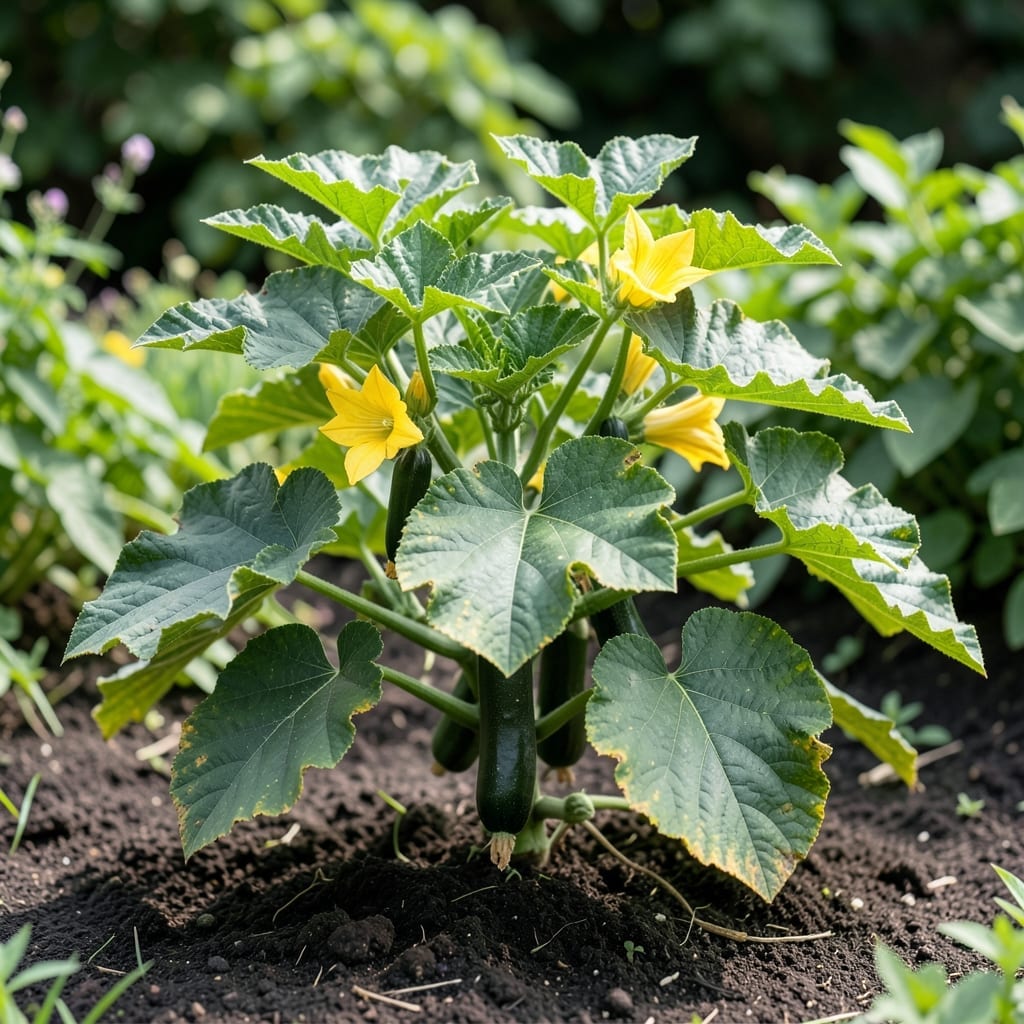
Yellow zucchini leaves always signal trouble, but the cause isn’t always obvious. I’ve seen this happen mid-season when plants seem healthy one day and stressed the next.
Most often, it’s a nutrient deficiency—nitrogen, magnesium, or iron—or overwatering that drowns the roots. Sometimes pests or disease sneak in, but soil issues are the usual culprits.
Fixing it starts with checking the soil. A quick test reveals what’s missing, and the right amendment brings those leaves back to vibrant green within 7-10 days.
Prevention means consistent watering and feeding. Once you nail the balance, your zucchini will reward you with healthy growth and a steady harvest.
When zucchini leaves turn yellow, it’s often a sign of underlying stress or imbalance. Here are the most common causes, explained with actionable insights:
Yellowing leaves, especially between veins, often signal a lack of nitrogen (older leaves turn yellow) or magnesium (yellow patches with green veins). Iron deficiency can also cause interveinal chlorosis in younger leaves. Test soil pH—zucchini prefers 6.0–6.8; outside this range, nutrients become less available.
Soggy soil suffocates roots, leading to yellowing and wilting. Zucchini needs 1–2 inches of water weekly, but excess moisture promotes root rot. Check soil moisture 2 inches deep before watering—it should feel slightly dry.
Sap-sucking pests like aphids, spider mites, or whiteflies drain nutrients, causing yellow stippling or curling. Inspect leaf undersides for tiny bugs or webbing. Neem oil or insecticidal soap can help control outbreaks early.
Extreme heat or cold can trigger yellowing. Zucchini thrives in 70–85°F; temperatures above 90°F may scorch leaves. Provide afternoon shade in hot climates and use row covers for unexpected cold snaps.
Powdery mildew (white powdery spots) or bacterial leaf spot (yellow halos) often start as small yellow patches. Improve airflow, avoid overhead watering, and remove infected leaves promptly to prevent spread.
Yellow zucchini leaves often signal an easy-to-fix issue. Below are targeted solutions for the most common causes, along with prevention tips to keep your plants thriving.
If leaves yellow between veins, your zucchini may lack magnesium or iron. Apply a balanced, water-soluble fertilizer (10-10-10) or Epsom salt spray (1 tbsp per gallon of water) for magnesium. For iron, use chelated iron foliar spray. Prevention tip 💡: Test soil yearly and amend with compost before planting.
Yellowing leaves with wilting often mean root rot from too much water. Let the top inch of soil dry between waterings. Ensure pots have drainage holes, and in garden beds, mix in perlite or sand to improve drainage. Prevention tip 💡: Water deeply but less frequently—zucchini prefers 1–1.5 inches per week.
Spider mites, aphids, or squash bugs suck sap, causing yellow spots. Blast pests off with water, then apply neem oil or insecticidal soap. For severe cases, remove heavily infested leaves. Prevention tip 💡: Encourage beneficial insects like ladybugs with companion plants (marigolds, nasturtiums).
Leaves exposed to intense afternoon sun may scorch and turn yellow. Use shade cloth (30–50%) during peak heat or plant taller crops (like corn) nearby for natural shade. Prevention tip 💡: Mulch with straw to retain moisture and cool roots.
Powdery mildew (white spots) or bacterial leaf spot (yellow halos) spread quickly. Remove infected leaves, improve airflow, and apply copper fungicide or a baking soda spray (1 tsp baking soda + 1 quart water + a drop of dish soap). Prevention tip 💡: Space plants 2–3 feet apart and water at the base to keep leaves dry.
Water deeply 1-2 times per week, providing 1-1.5 inches total. Let the top 1 inch of soil dry between waterings to prevent root rot. Adjust for heat or drought conditions.
A balanced 10-10-10 fertilizer works for general deficiencies. For magnesium, use Epsom salt (1 tbsp/gallon). Iron deficiency? Apply chelated iron foliar spray.
Severely yellow leaves won’t recover, but new growth will if you fix the issue. Remove damaged leaves to redirect energy. Healthy leaves typically return in 7-10 days after treatment.
Space plants 2-3 feet apart for airflow. Water at the base, not leaves. Apply copper fungicide or baking soda spray weekly as prevention during humid weather.