
Beautiful Plants For Your Interior
Beautiful Plants For Your Interior
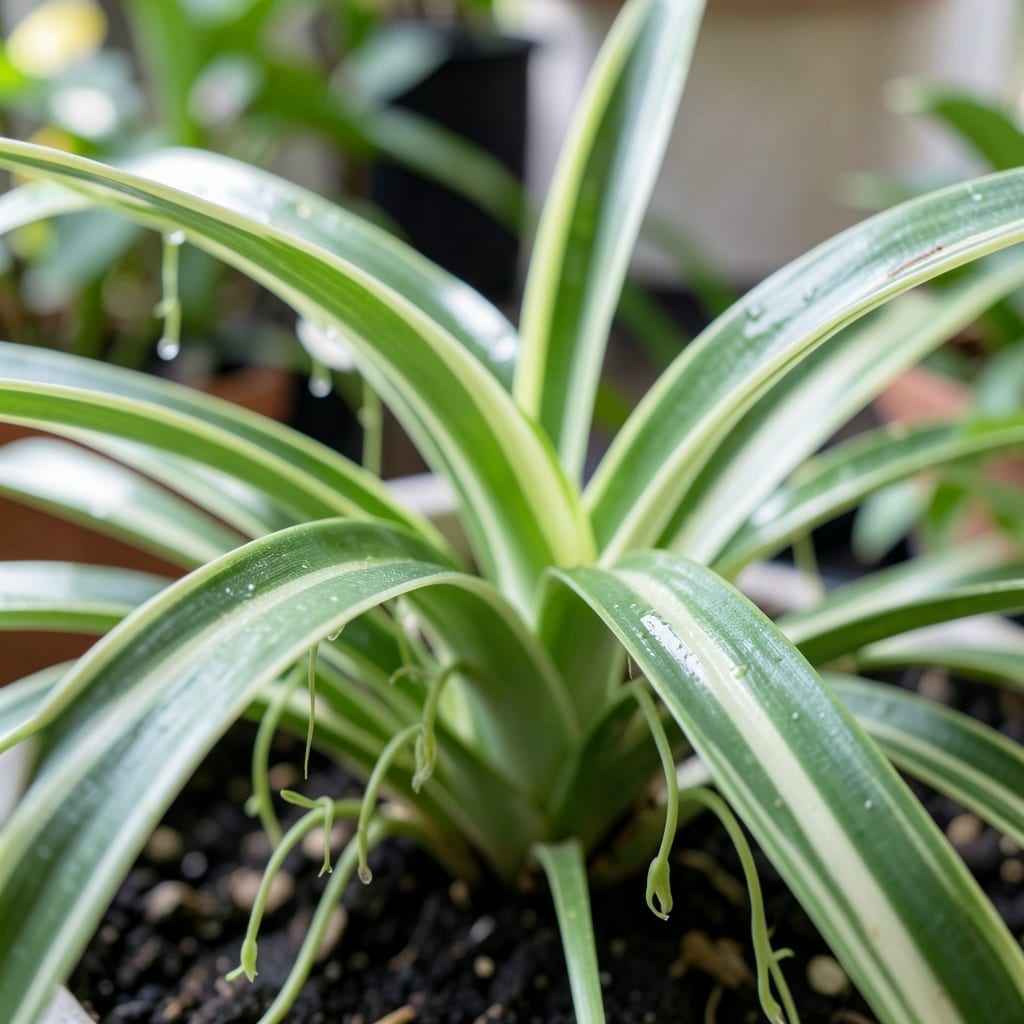
Spider plants are famous for their hardiness, but even these resilient houseplants can suffer from improper watering. Get the watering schedule right, and you’ll be rewarded with lush, trailing foliage.
The 🕷️ Spider Plant thrives when its soil stays consistently moist but never soggy. Many new plant parents unknowingly drown their plants with too much love and water.
I’ve learned the hard way that these plants communicate their needs if you know what to look for. Brown tips or drooping leaves often signal it’s time to adjust your approach.
Discover the simple yet effective watering routine that keeps your Spider Plant looking vibrant year-round. Let’s break it down together.
I love how spider plants thrive with minimal fuss, but their watering needs are often misunderstood. These hardy houseplants prefer consistently moist soil without becoming waterlogged.
For most indoor spider plants, I recommend 1 cup of water per week, but this can vary based on season and environment. Always check the top inch of soil before watering again.
| Condition | Specification |
|---|---|
| Weekly Amount | 1 cup (250ml) |
| Soil Moisture | Moist but not soggy |
| Spring/Summer | Every 5-7 days |
| Fall/Winter | Every 10-14 days |
| Best Time | Morning |
In spring and summer, I water my spider plants every 5-7 days because they’re actively growing. The soil dries out faster in warmer weather, so frequent checks are key.
During fall and winter, I scale back to every 10-14 days. The cooler temperatures slow growth, and overwatering can lead to root rot, which is a death sentence for these plants.
I always use the finger test—stick your finger 1 inch into the soil. If it feels dry, it’s time to water. If it’s damp, wait another day or two.
For potted spider plants, I’ve found they need water every 5-7 days because containers dry out faster. In-ground plants can go 7-10 days between waterings.
The type of water matters too. Spider plants are sensitive to fluoride, so I use distilled or rainwater when possible. If tap water is your only option, let it sit out overnight to evaporate chlorine.
Remember, drainage is critical. Always use pots with drainage holes and a well-draining soil mix to prevent water from pooling at the roots.
If you notice brown tips on your spider plant, it’s often a sign of fluoride buildup or overwatering. Adjust your routine and watch for improvement.
🌿I’ve found that spider plants are pretty forgiving, but they do show clear distress signals when watering is off. Overwatered plants often develop yellow leaves or mushy stems, while underwatered ones get crispy, brown tips.
Another telltale sign is drooping foliage. If your plant looks limp and sad, it might be thirsty. But if the soil feels soggy and smells sour, you’re likely overdoing it. Always check the top inch of soil before watering again.
I always recommend the finger test: stick your finger 1-2 inches into the soil. If it feels dry at that depth, it’s time to water. If it’s still moist or damp, wait a few days.
For potted spider plants, remember that plastic pots retain moisture longer than terracotta. So, adjust your schedule based on pot material and room humidity levels.
If you notice brown tips despite proper watering, it might be fluoride sensitivity. Switch to distilled or rainwater to avoid this common issue with spider plants.
Finally, keep an eye on new growth. Healthy plants produce vibrant, green shoots. If new leaves look weak or discolored, revisit your watering habits.
🌿