
Beautiful Plants For Your Interior
Beautiful Plants For Your Interior
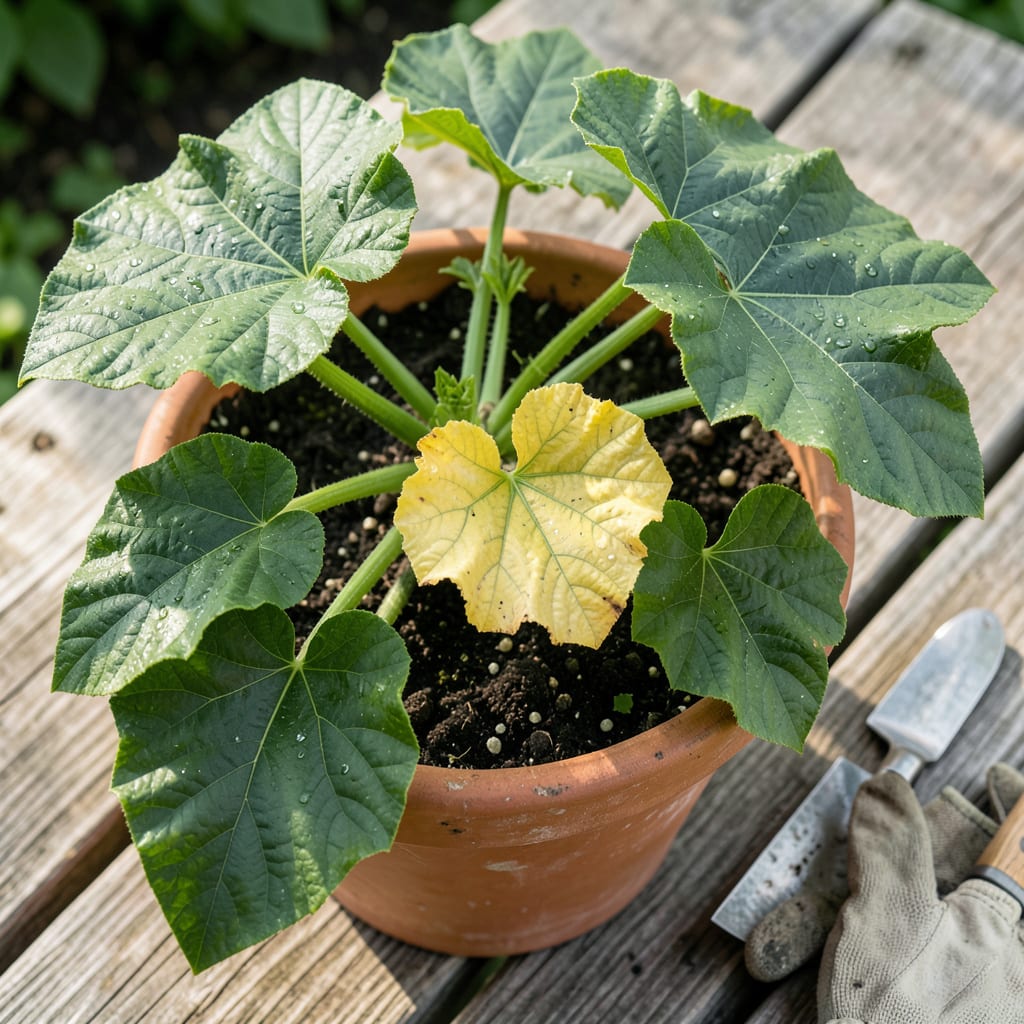
Yellow zucchini leaves always feel like a gut punch after all that care. I’ve lost count of how many plants I’ve watched decline before figuring out the real issue.
Sometimes it’s pests hiding under leaves, other times it’s the soil screaming for a specific nutrient. The patterns tell you exactly what’s wrong if you know where to look.
You can reverse most cases within a week once you identify the culprit. The key is checking the leaf pattern, stem health, and recent weather changes.
Works for container and in-ground plants alike. Here’s how to play detective with your zucchini.
Zucchini leaves turning yellow can signal several underlying issues, often tied to environmental stress, pests, or nutrient imbalances. Below are the most common causes, explained with actionable insights.
Yellowing leaves often point to a lack of essential nutrients. Nitrogen deficiency typically causes uniform yellowing of older leaves first, as the plant redirects nitrogen to newer growth. Magnesium or iron deficiencies may lead to interveinal chlorosis, where the tissue between leaf veins turns yellow while veins stay green. A soil test can confirm imbalances, and correcting them with organic fertilizers or foliar sprays (e.g., Epsom salt for magnesium) can restore health.
Root rot from excess moisture disrupts nutrient uptake, causing leaves to yellow and wilt. Zucchini plants prefer consistently moist but well-drained soil. If the soil feels soggy or emits a foul odor, reduce watering frequency and improve drainage by amending the soil with compost or sand. Raise beds in heavy clay soils to prevent waterlogging.
Sap-sucking pests like aphids, spider mites, or squash bugs drain plant fluids, leading to yellow, speckled, or curled leaves. Check the undersides of leaves for tiny insects or webbing. Treat infestations with neem oil or insecticidal soap, and encourage natural predators like ladybugs to keep populations in check.
Pathogens such as powdery mildew or bacterial leaf spot can cause yellow patches or spots on leaves. Powdery mildew appears as a white, powdery coating, while bacterial infections may create water-soaked lesions. Improve air circulation, avoid overhead watering, and apply copper-based fungicides or baking soda sprays preventatively.
Extreme heat, cold snaps, or sudden temperature swings can stress zucchini plants, triggering yellowing. Provide shade cloth during heatwaves and use row covers to protect against unexpected frosts. Ensure plants receive 6–8 hours of sunlight daily for optimal growth.
Once you’ve identified the cause, these targeted fixes can restore your zucchini’s vibrant green leaves and keep your plants thriving.
Fix: Test your soil with a kit to confirm missing nutrients. For nitrogen deficiency, apply a balanced 10-10-10 fertilizer or side-dress with compost. For magnesium, dissolve 1 tablespoon of Epsom salt in a gallon of water and spray on leaves. Iron deficiency? Use chelated iron or lower soil pH with sulfur.
Prevention: Amend soil with organic matter before planting and rotate crops yearly to avoid depletion. 💡 Pro tip: Yellowing between leaf veins often signals magnesium—act fast!
Fix: Let soil dry slightly between waterings. If roots are soggy, improve drainage by mixing in perlite or sand. For potted zucchini, ensure containers have drainage holes. Trim any black, mushy roots to prevent rot.
Prevention: Water deeply but only when the top inch of soil is dry. Use mulch to retain moisture without waterlogging. ✨
Fix: Blast aphids or spider mites off with a strong water spray. For stubborn pests, apply neem oil or insecticidal soap at dusk. Remove heavily infested leaves to stop the spread.
Prevention: Encourage ladybugs and lacewings (natural predators) by planting marigolds or dill nearby. Inspect leaves weekly, especially undersides. 🎯
Fix: For fungal issues like powdery mildew, spray leaves with a baking soda solution (1 tsp baking soda + 1 quart water + a drop of dish soap). Remove and destroy infected leaves immediately. Avoid overhead watering to reduce humidity.
Prevention: Space plants 3–4 feet apart for airflow. Water at the base in the morning so foliage dries quickly. 🌡️
Check leaf undersides for tiny insects or webbing—pests like aphids cause speckled yellowing. Diseases often create distinct patterns like powdery mildew’s white coating or bacterial spot’s water-soaked lesions.
Leaves damaged by pests or disease won’t recover. Nutrient-deficient leaves may regain color with treatment, especially newer growth. Remove severely affected leaves to direct energy to healthy ones.
Water deeply when the top 1 inch of soil feels dry. aim for 1-2 inches per week, more in extreme heat. Always water at the base in the morning to prevent fungal issues.
