
Beautiful Plants For Your Interior
Beautiful Plants For Your Interior
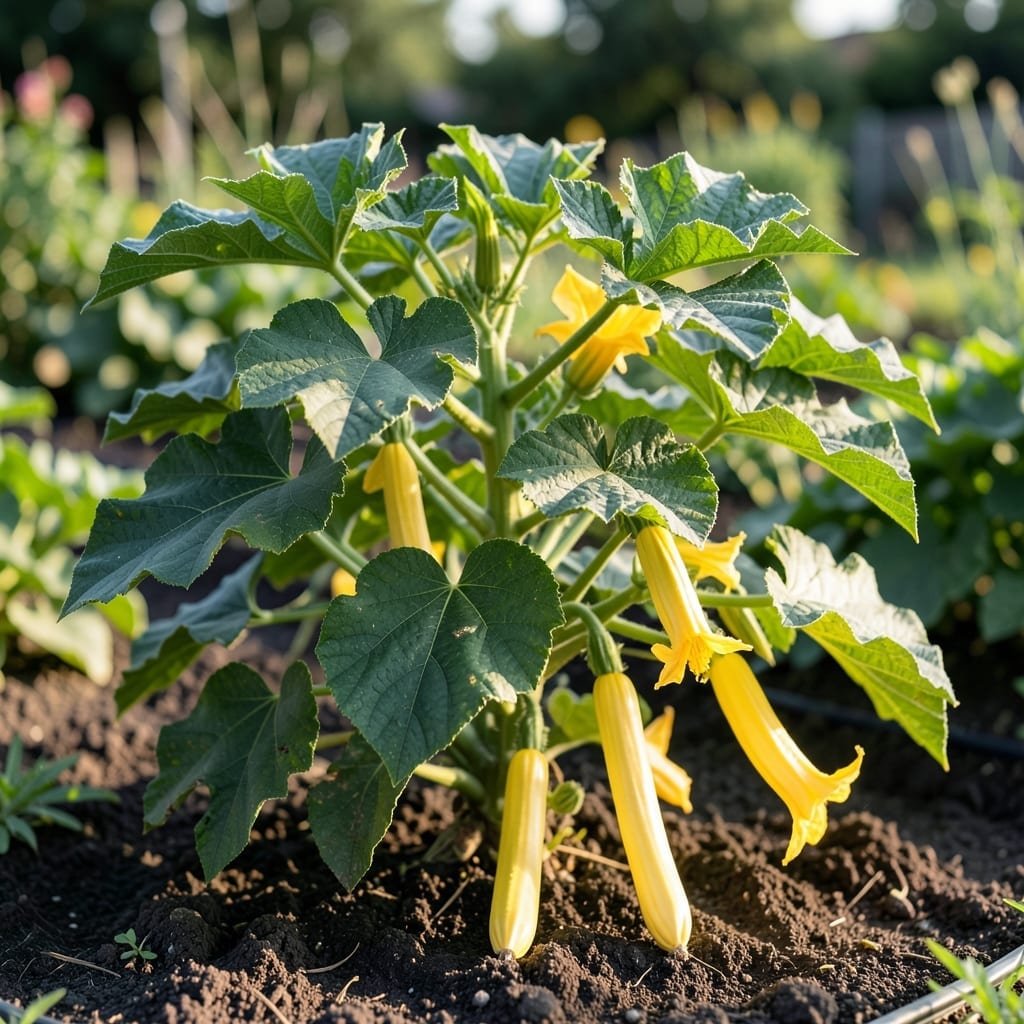
I planted my first yellow zucchini on a whim three summers ago. 60 days later, I was drowning in golden squash and giving them to neighbors.
These plants are more productive than green varieties, with a sweeter flavor that holds up better in recipes. They need full sun, consistent water, and rich soil—basically the same care as any summer squash, just with prettier results.
The vines spread 3-4 feet wide, so give them room or train them up a trellis. I get my first harvest when the fruits are 6-8 inches long, picking every other day to keep production going.
Perfect for gardeners who want color and flavor in one package. Here’s how to nail it.
Zucchini plants turn yellow for several specific, often preventable reasons. Understanding the root cause helps you take fast, targeted action to restore plant health and yield.
Yellowing often signals a nitrogen, magnesium, or iron deficiency. Nitrogen shortage typically starts in older leaves, turning them pale yellow-green. Magnesium deficiency causes interveinal chlorosis—yellowing between leaf veins—while iron deficiency affects newer growth first. A balanced, slow-release fertilizer rich in micronutrients can correct these issues. For quick fixes, apply Epsom salt (magnesium sulfate) or chelated iron directly to the soil.
Zucchini plants dislike soggy roots. Overwatering or compacted soil suffocates roots, reducing oxygen uptake and nutrient absorption. This stress manifests as yellow, wilted leaves. Ensure your plants are in well-draining soil and water only when the top 1–2 inches of soil are dry. Raised beds or containers can help if your garden has heavy clay soil.
Common pests like aphids, spider mites, and squash bugs suck sap from leaves, causing yellow stippling or mottling. Check the undersides of leaves for tiny insects or webbing. Treat infestations early with neem oil or insecticidal soap to prevent widespread damage. Encouraging beneficial insects like ladybugs can also provide natural pest control.
Diseases such as powdery mildew or bacterial leaf spot can turn leaves yellow and spotted. Powdery mildew appears as a white, powdery coating, while bacterial infections cause water-soaked spots. Improve air circulation, avoid overhead watering, and remove infected leaves promptly. Copper-based fungicides can help manage fungal issues.
Extreme heat, cold snaps, or sudden temperature swings can stress zucchini plants, leading to yellowing. Provide shade cloth during heatwaves and row covers for unexpected cold. Consistent temperatures between 70–85°F (21–29°C) are ideal for healthy growth.
If your zucchini leaves are turning yellow, don’t panic! Most issues are fixable with a few simple adjustments. Below are targeted solutions for the most common causes, along with prevention tips to keep your plants thriving.
Yellowing often signals a lack of nitrogen, magnesium, or iron. Fix it: Amend the soil with a balanced, slow-release fertilizer (10-10-10) or work in compost for organic nutrients. For a quick magnesium boost, dissolve 1 tablespoon of Epsom salt in a gallon of water and spray the leaves. Iron deficiency? Use chelated iron or lower soil pH with sulfur.
Prevention: Test soil annually and fertilize before planting. Rotate crops to avoid depleting nutrients.
Too much or too little water stresses plants, leading to yellow leaves. Fix it: Check soil moisture 2 inches deep—water only if dry. For soggy soil, improve drainage by mixing in perlite or sand. Mulch around plants to retain moisture evenly.
Prevention: Water deeply 1–2 times per week (more in extreme heat) and use drip irrigation to avoid wetting leaves.
Spider mites, aphids, and squash bugs suck sap, causing yellow spots or wilting. Fix it: Blast pests off with water or apply neem oil or insecticidal soap. For severe infestations, remove heavily damaged leaves. Handpick squash bugs in the morning when they’re sluggish.
Prevention: Encourage beneficial insects like ladybugs with companion plants (e.g., marigolds). Inspect leaves weekly for early signs.
Powdery mildew and downy mildew thrive in damp, crowded conditions. Fix it: Remove infected leaves and spray with a baking soda solution (1 tsp baking soda + 1 quart water + a few drops of dish soap). Space plants 2–3 feet apart for better airflow.
Prevention: Water at the base (avoid leaves) and prune excess foliage. Choose resistant zucchini varieties like ‘Dunja’ or ‘Emerald Delight’.
Intense sunlight can scorch leaves, turning them yellow or brown. Fix it: Use shade cloth (30–50% shade) during peak afternoon hours, especially for young plants.
Prevention: Plant in a spot with morning sun and afternoon shade, or interplant with taller crops like corn for natural shade.
Water deeply 1-2 times per week, ensuring the top 1-2 inches of soil dry between sessions. Use drip irrigation to avoid wetting leaves, which can cause fungal issues.
Yellowing often signals nutrient deficiencies, overwatering, or pest issues. Check for nitrogen, magnesium, or iron shortages first, then inspect for pests or soggy soil.
Yes, but choose a large container (at least 5 gallons) with good drainage. Ensure it gets full sun and consistent water, as containers dry out faster than garden beds.
Pick fruits when they’re 6-8 inches long for the best flavor and texture. Harvest every 2-3 days to encourage more production.