
Beautiful Plants For Your Interior
Beautiful Plants For Your Interior
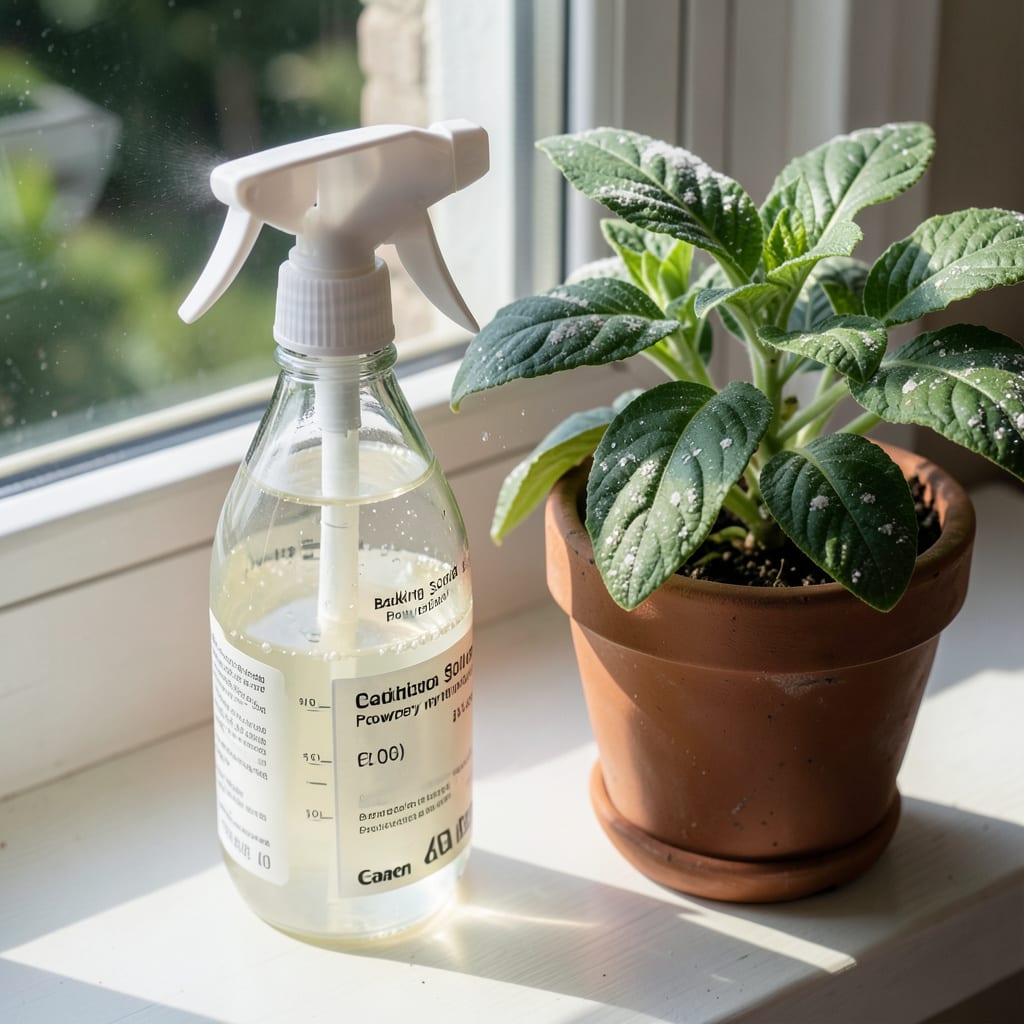
That white powder on your squash leaves isn’t just ugly—it’s stealing your harvest. I lost an entire cucumber crop to powdery mildew my first year, but this simple baking soda spray changed everything.
The mixture costs pennies and works in 24-48 hours to stop the spread. You’ll need just three household items, and the application takes 5 minutes per plant. No fancy equipment, no harsh chemicals.
What you get are leaves that stay vibrant green instead of turning crispy white. The solution prevents new spores from taking hold, giving your plants a fighting chance to recover.
Works on roses, cucumbers, zucchini—any plant that’s fallen victim. Here’s the exact recipe and timing that saved my garden.
Powdery mildew thrives under specific environmental conditions and is often the result of poor plant care or unfavorable growing setups. Here’s a breakdown of the most common causes:
This fungal disease flourishes in environments with high humidity (60-80%) and stagnant air. When moisture lingers on plant surfaces—especially in crowded gardens or greenhouses—spores germinate rapidly. Overwatering or poor drainage exacerbates the problem by keeping foliage damp.
Powdery mildew is most active when daytime temperatures range between 60–80°F (15–27°C) and nights are cooler. This temperature swing creates condensation on leaves, providing the perfect breeding ground for spores. Shade-loving plants in warm, humid climates are especially vulnerable.
Plants grown too closely together restrict airflow, trapping moisture. Additionally, stressed or nutrient-deficient plants (particularly those lacking silica or phosphorus) are more susceptible to infection. Weak cell walls in underfed plants make it easier for the fungus to penetrate.
Watering foliage directly—especially in the evening—gives powdery mildew a head start. Wet leaves that don’t dry quickly become prime targets. Drip irrigation or soaker hoses at the base of plants are safer alternatives to prevent fungal growth.
Tackling powdery mildew doesn’t have to mean reaching for harsh chemicals. A simple baking soda solution can effectively treat and prevent this common fungal issue while keeping your plants safe and healthy. Below are practical solutions tailored to the problem, along with prevention tips to keep your garden thriving.
If you spot the telltale white, powdery spots on leaves, stems, or flowers, act fast. Mix 1 tablespoon of baking soda, 1 teaspoon of liquid soap (mild, like Castile), and 1 gallon of water in a spray bottle. Shake well and spray the solution evenly over affected areas, covering both the tops and undersides of leaves. Apply in the early morning or late evening to avoid leaf burn from the sun. Repeat every 7–10 days or after rain until the mildew disappears.
Don’t wait for an outbreak! If your plants are prone to powdery mildew (e.g., roses, cucumbers, or squash) or you’ve had issues in the past, use a preventive baking soda spray. Mix 1 teaspoon of baking soda and 1 quart of water, adding a few drops of soap to help it stick. Spray weekly during humid or warm weather—conditions mildew loves. Focus on new growth and crowded areas where airflow is limited.
If powdery mildew keeps coming back, your plants may need a health boost. Strengthen them with:
Combining these steps with your baking soda spray will create an inhospitable environment for mildew.
💡 Pro Tip: Always test your baking soda solution on a small area of the plant first to check for sensitivity. Avoid using it on very young seedlings or drought-stressed plants.
Apply every 7-10 days or after rain for active infections. For prevention, spray weekly during humid weather. Consistency stops spores from spreading.
The soap helps the mixture stick to leaves and spread evenly. Use 1 teaspoon of mild liquid soap per gallon to avoid damaging plants.
Test on a small area first. Avoid young seedlings and drought-stressed plants. Most vegetables, roses, and ornamentals tolerate it well.
