
Beautiful Plants For Your Interior
Beautiful Plants For Your Interior
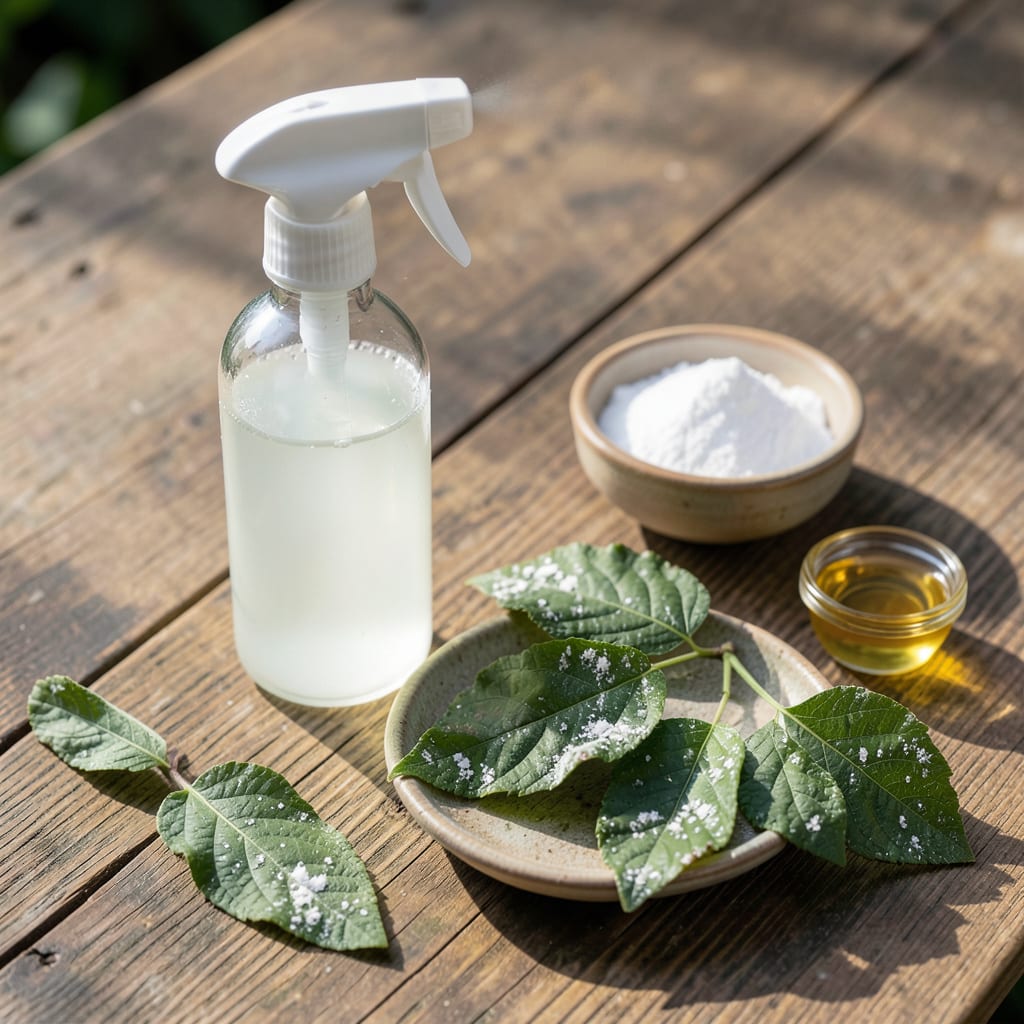
White spots on your leaves mean powdery mildew has arrived. I lost a whole row of zucchini to this last summer before discovering a simple spray that stops it cold.
Baking soda changes the leaf surface pH, making it hostile to the fungus. Dish soap helps the solution stick. Mix 1 tablespoon of each in a gallon of water, and you have a treatment that costs pennies.
Spray it on affected plants every 5-7 days or as a preventive. The mildew disappears within 2 weeks, and new growth stays clean.
Works on roses, cucumbers, squash—anything prone to this common disease. Safe, effective, and you likely have the ingredients already.
Powdery mildew is a common fungal disease that affects a wide range of plants, leaving a white, powdery residue on leaves, stems, and flowers. Understanding why it happens is the first step in preventing and treating it effectively with remedies like baking soda and dish soap.
This fungus thrives in environments with high relative humidity (60% or above), especially when combined with poor air circulation. Unlike many other fungi, powdery mildew doesn’t require free water to grow—just moist air. Crowded plantings or stagnant air (common in greenhouses or indoor settings) create the perfect breeding ground.
Powdery mildew spores germinate best in moderate temperatures (60–80°F). Rapid shifts between warm days and cool nights can stress plants, weakening their natural defenses. These temperature swings also encourage spore release and spread, particularly in the evening when humidity often rises.
While powdery mildew doesn’t need wet leaves to grow, watering from above can inadvertently spread spores. Splashing water dislodges spores from infected leaves, carrying them to healthy foliage. Dish soap in remedies helps break down the fungal cell walls, but prevention starts with watering at the base to keep leaves dry.
Some plants are genetically more prone to powdery mildew, including roses, squash, cucumbers, and ornamental flowers like phlox. These species often have thinner cuticles or slower defensive responses, making them easier targets. Using baking soda (a mild alkali) disrupts the pH on leaf surfaces, creating an inhospitable environment for spores.
Dense canopies or shaded areas with limited airflow trap moisture and reduce evaporation, promoting spore growth. Pruning overcrowded branches and spacing plants properly can significantly reduce infection risks. The dish soap in sprays acts as a surfactant, ensuring the baking soda solution sticks to leaves and reaches hidden spores.
Powdery mildew doesn’t have to spell disaster for your garden. With the right approach, you can tackle it naturally using baking soda and dish soap. Below are the most common causes of powdery mildew and how to fix them with this simple spray solution.
Plants crowded together or grown in stagnant air are magnets for powdery mildew. Fix: Thin out dense foliage and space plants properly to allow airflow. Then, spray a mixture of 1 tablespoon baking soda, 1 teaspoon dish soap, and 1 gallon of water on affected leaves. Reapply every 5–7 days or after rain.
Excess moisture, especially on leaves, fuels fungal growth. Fix: Water plants at the base in the morning so leaves dry quickly. Use the baking soda and dish soap spray as a preventive measure in humid conditions. The soap helps the solution stick, while baking soda disrupts fungal spores.
Shady, damp areas are ideal for powdery mildew. Fix: Move potted plants to sunnier spots or prune nearby branches to let light in. Pair this with weekly sprays of the baking soda solution to keep mildew at bay.
This natural spray is safe for most plants but always test a small area first. With consistent care, your garden can stay mildew-free and thriving!
Apply the mixture every 5-7 days for active infections, or weekly as prevention. Reapply after rain, as water can wash it away. Consistency is key for best results.
Use a mild, unscented dish soap like Dawn or Castile soap. Avoid soaps with harsh additives or strong fragrances, as they may harm plants. A 1 teaspoon per gallon is the right ratio.
This solution is generally safe for bees and ladybugs, but spray early in the morning or late evening when pollinators are less active. Avoid direct contact with beneficial insects.
Excess baking soda can burn leaves or alter soil pH. Stick to 1 tablespoon per gallon of water. If leaves show brown spots, rinse with water and reduce concentration next time.
