
Beautiful Plants For Your Interior
Beautiful Plants For Your Interior
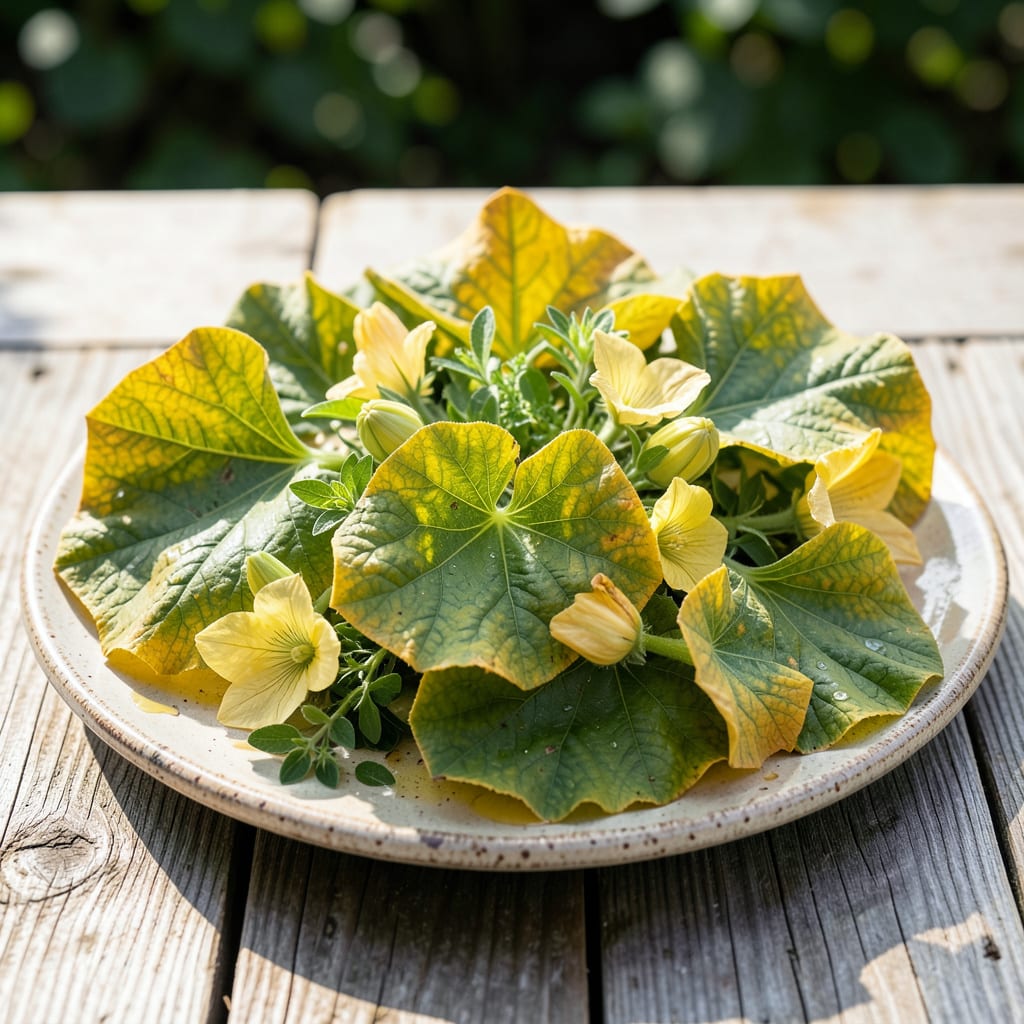
Yellow leaves on summer squash hit me with a sinking feeling last season. Here’s the thing—those early warning signs usually mean something fixable, not a lost cause.
Most often it’s water stress, hungry soil, or sneaky pests setting up shop. I’ve learned the patterns: wilting plus yellow means check the roots, while spotted yellow suggests pests or disease.
With the right adjustments, you’ll see new vibrant green growth within 1-2 weeks. The plants bounce back fast when you address the actual problem, not just the symptom.
Works whether you’re growing in hills, rows, or containers. Let’s diagnose and fix it before your harvest suffers.
Summer squash leaves turning yellow often signal underlying issues that disrupt the plant’s health. Below are the most common causes, explained with actionable insights.
Yellowing leaves, especially older ones, may indicate a lack of nitrogen or magnesium. Nitrogen deficiency causes uniform yellowing (chlorosis) starting at the leaf tips, while magnesium deficiency appears as interveinal yellowing—green veins with yellow tissue between them. A soil test confirms deficiencies; amend with compost or a balanced fertilizer (e.g., 10-10-10) for nitrogen, or Epsom salt (magnesium sulfate) for magnesium.
Extreme heat, drought, or waterlogged soil can stress summer squash, leading to yellow leaves. Heat stress (above 90°F) may cause sunscald or reduced chlorophyll production. Inconsistent watering—either underwatering (dry, crispy edges) or overwatering (wilting, yellowing) — disrupts nutrient uptake. Mulch with straw to retain moisture and water deeply 1–2 inches per week, ensuring good drainage.
Sap-sucking pests like aphids, spider mites, or whiteflies drain plant fluids, causing yellow stippling or mottling. Check leaf undersides for clusters of tiny insects or webbing. Neem oil or insecticidal soap (applied at dusk) can control minor infestations. For severe cases, introduce beneficial insects like ladybugs.
Powdery mildew (white powdery spots) and downy mildew (yellow patches with fuzzy gray undersides) thrive in humid conditions. Bacterial leaf spot causes water-soaked yellow halos. Improve airflow by pruning crowded leaves, water at the base (avoid wetting foliage), and apply copper fungicide or baking soda spray (1 tsp baking soda + 1 quart water + a few drops of soap) preventatively.
Addressing yellowing leaves on summer squash starts with identifying the root cause. Here’s how to tackle the most common issues with practical fixes and prevention tips:
Fix: Test your soil and amend it based on results. For nitrogen deficiency, add compost or a balanced fertilizer (10-10-10). For magnesium, use Epsom salt (1 tablespoon per gallon of water) as a foliar spray. Iron deficiencies can be treated with chelated iron supplements.
Prevention: 💡 Start with nutrient-rich soil before planting. Rotate crops annually to prevent depletion.
Fix: Check soil moisture 1-2 inches deep. If soggy, reduce watering and improve drainage. If dry, water deeply at the base (1-2 inches per week). Mulch around plants to retain moisture.
Prevention: 🎯 Use drip irrigation for consistent moisture. Water in the morning to allow foliage to dry and prevent fungal growth.
Fix: Spray leaves with neem oil or insecticidal soap to combat aphids, spider mites, or squash bugs. Remove heavily infested leaves by hand. Introduce beneficial insects like ladybugs for natural pest control.
Prevention: ✨ Inspect plants regularly. Encourage biodiversity with companion plants like marigolds or basil.
Fix: Remove and destroy infected leaves to prevent spread. Apply copper-based fungicides or a baking soda solution (1 teaspoon baking soda, 1 quart water, a few drops of dish soap) weekly.
Prevention: 🌡️ Space plants properly for airflow. Avoid overhead watering and clean garden tools after use.
Fix: Provide shade cloth during heatwaves. If cold temperatures are the issue, use row covers to protect plants. Ensure squash gets 6-8 hours of sunlight daily.
Prevention: 🔥 Plant at the right time for your climate and harden off seedlings before transplanting.
Not always. It often signals stress like overwatering or nutrient deficiency first. Check soil moisture and leaf patterns before assuming disease.
Yes, if the stems are still firm. Prune yellow leaves, address the root cause, and new green growth should appear within 1-2 weeks.
Plants prioritize new growth. Nitrogen deficiency often shows here first as the plant redirects nutrients upward. A soil test confirms this.
Inspect leaf undersides 2-3 times weekly. Catching aphids or mites early prevents widespread yellowing and damage.
