
Beautiful Plants For Your Interior
Beautiful Plants For Your Interior
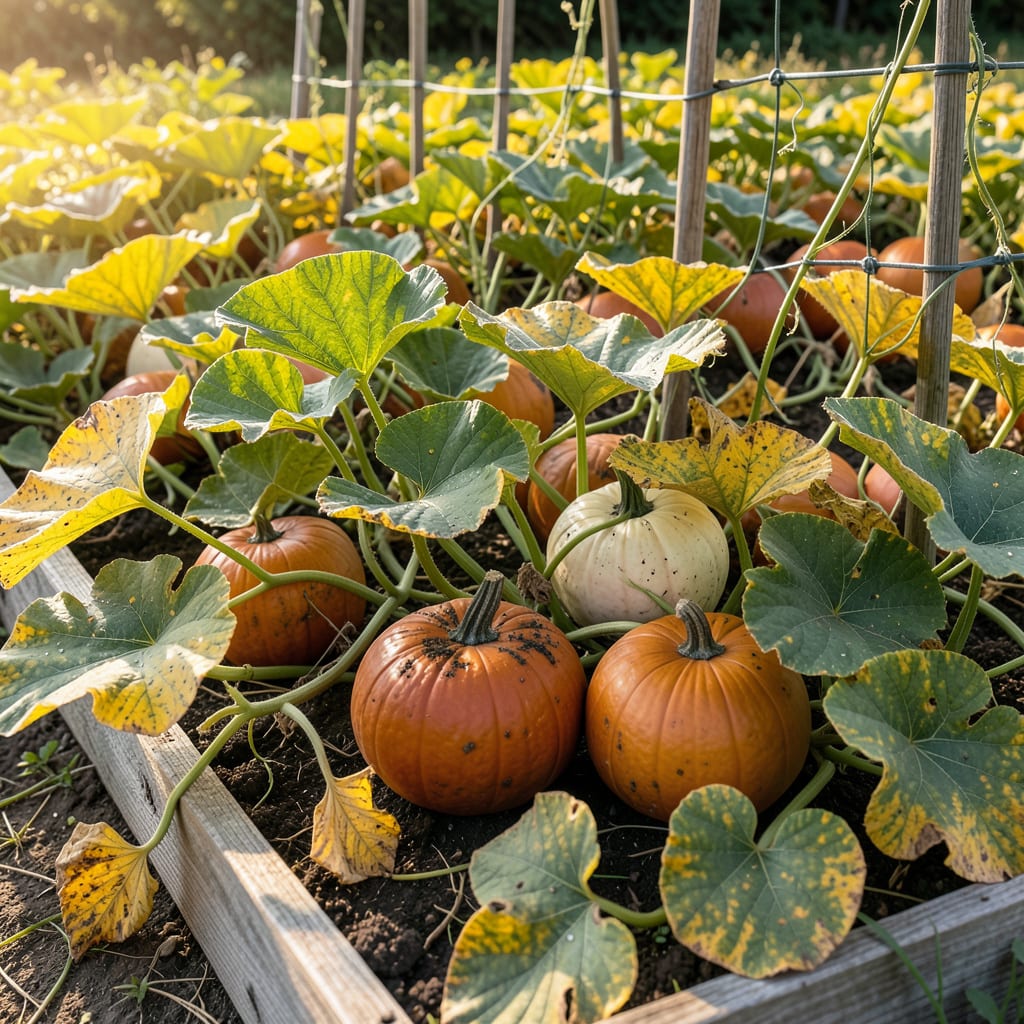
Yellow leaves on pumpkin vines signal trouble—but it’s fixable. I’ve saved countless pumpkin patches by catching the early signs and acting fast.
The usual suspects are simple: too much water, not enough nutrients, or sneaky pests. Most gardeners overlook the first clue—pale spots between veins—until the whole leaf turns. Don’t wait that long.
With the right fix, your plants bounce back in 3-5 days. Healthy vines mean strong roots and a harvest you can actually brag about.
Works for backyard patches, raised beds, or even container pumpkins. Here’s how to diagnose and cure it.
Yellow leaves on pumpkin plants are often a red flag that something’s amiss. Here are the most common causes, explained simply:
Pumpkins are heavy feeders, and a lack of key nutrients can trigger yellowing. Nitrogen deficiency often starts with older leaves turning pale yellow, while magnesium or potassium shortages may cause interveinal chlorosis (yellowing between veins). A soil test can pinpoint the issue—amend with a balanced fertilizer or compost to restore vitality.
Too much water suffocates roots, blocking oxygen uptake and leading to yellow, wilted leaves. Conversely, drought stress forces leaves to conserve water by turning yellow and crisp. Aim for 1–2 inches of water per week, adjusting for rainfall, and ensure well-draining soil to prevent root rot.
Aphids, spider mites, and squash bugs sap plant juices, causing yellow stippling or mottling. Check leaf undersides for pests or sticky residue (honeydew). Treat early with neem oil or insecticidal soap to avoid widespread damage.
Powdery mildew (white powdery spots) and downy mildew (yellow patches with fuzzy growth) thrive in humid conditions. Improve airflow by spacing plants properly and apply copper-based fungicides at the first sign of infection.
Extreme heat or cold can shock pumpkin plants, leading to yellowing. Provide shade cloth during heatwaves and row covers for unexpected frosts to shield vines from stress.
Once you’ve identified the cause, these targeted fixes will help restore your pumpkin plants to their vibrant green best. Address each issue promptly for the best results.
If underwatering is the culprit, give your plants a deep watering at the base (1–2 inches per week, more in extreme heat). Avoid wetting the leaves to prevent fungal issues. For overwatering, hold off on watering until the top 1–2 inches of soil are dry. Improve drainage by mixing in compost or sand. Prevention tip: 💡 Use a moisture meter to monitor soil hydration consistently.
For nitrogen deficiency, apply a balanced fertilizer (10-10-10) or side-dress with compost. Yellowing between veins often signals iron or magnesium shortages—treat with chelated iron or Epsom salt spray (1 tbsp per gallon of water). Prevention tip: 🌱 Test your soil annually and amend before planting.
Blast off aphids and spider mites with a strong jet of water or apply neem oil (mix 2 tbsp per gallon of water with a tsp of dish soap). For squash bugs, handpick adults and eggs daily and use row covers early in the season. Prevention tip: ✨ Encourage beneficial insects like ladybugs by planting companion flowers.
Remove and destroy heavily infected leaves to stop the spread. Apply a copper fungicide or baking soda spray (1 tsp baking soda, 1 quart water, a few drops of soap) for mildew. Rotate crops yearly to prevent recurrence. Prevention tip: 🌿 Space plants 3–5 feet apart for airflow and water early in the day so foliage dries quickly.
If leaves yellow due to lack of sun, relocate potted plants or thin out nearby shade. For heat stress, provide afternoon shade with a cloth cover and mulch to cool roots. Prevention tip: 🎯 Plant in a spot with at least 6–8 hours of sunlight and use mulch to regulate soil temperature.
Severely damaged leaves won’t recover, but new growth will appear healthy once you address the root cause. Focus on fixing the issue to prevent further yellowing.
Remove only heavily damaged or diseased leaves to improve airflow and redirect energy to healthy growth. If yellowing is mild, wait to see if the plant rebounds first.
Test soil annually, water consistently at the base, and monitor for pests weekly. Proper spacing and mulching also help maintain plant health.
Not always—some yellowing is natural as older leaves age. But rapid or widespread yellowing signals stress that needs quick attention.
