
Beautiful Plants For Your Interior
Beautiful Plants For Your Interior
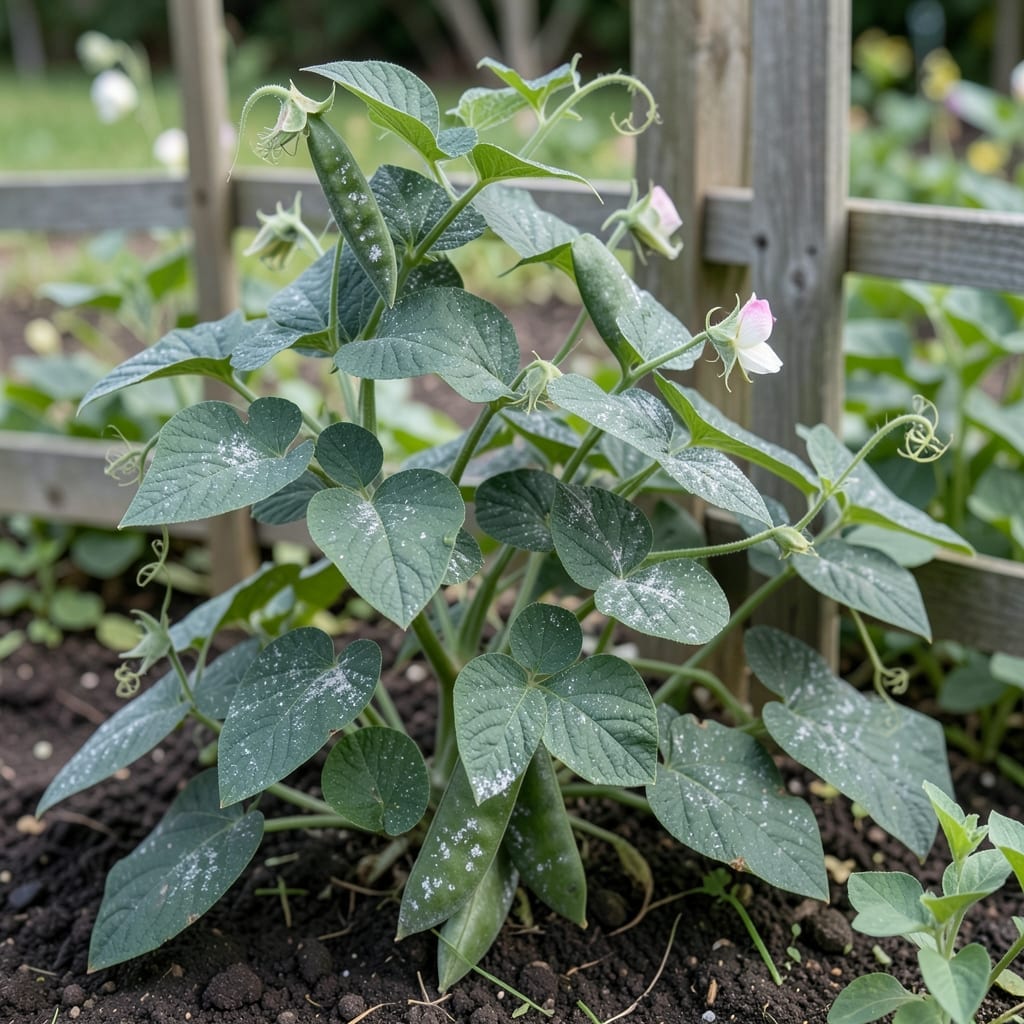
Those white spots on your snap peas aren’t just ugly—they’re a warning sign. I’ve seen powdery mildew, aphid damage, and nutrient issues all create this exact problem, and each needs a different fix.
The good news? Most causes are easy to treat once identified. A simple spray, soil adjustment, or pest removal usually clears it up within days. The key is acting fast before the issue spreads to the rest of your plants.
You’ll often notice the spots first on older leaves, then watch them multiply if ignored. Catching it early means saving your harvest and preventing next season’s problems.
Works for container gardens, raised beds, or in-ground plantings. Here’s how to diagnose and fix it.
White spots on snap peas can stem from a few common, often preventable issues. Here’s a breakdown of the most likely causes—so you can tackle them head-on.
Powdery mildew is a fungal disease that thrives in warm, dry climates with high humidity. It appears as a white, powdery coating on leaves, stems, and pods, often starting on the upper surfaces. The fungus Podosphaera pannosa or Erysiphe pisi disrupts the plant’s ability to photosynthesize efficiently, leading to stunted growth and reduced yield. To confirm, check for circular white patches that spread quickly in crowded or poorly ventilated conditions.
Calcium or magnesium deficiencies can manifest as white or pale yellow spots, especially on younger pods. Calcium is critical for cell wall development, and its lack leads to blossom end rot-like symptoms, though less severe. Magnesium, essential for chlorophyll production, causes interveinal chlorosis (white or yellow patches between leaf veins). Test your soil—if pH is too low (below 6.0), these nutrients become less available to the plant.
Sap-sucking pests like aphids and whiteflies leave behind sticky honeydew, which can attract sooty mold—a black fungus that may appear alongside white residue from pest activity. Additionally, thrips can cause stippling or white scarring on pods as they feed. Inspect the undersides of leaves and pods for tiny insects or eggs to identify the culprit.
Excessive exposure to intense sunlight, especially in high-temperature climates, can cause sun scald. This appears as bleached or white patches on the side of the pods facing the sun. The heat disrupts chlorophyll, leading to discoloration. Snap peas are most vulnerable during sudden temperature spikes or when grown without adequate shading in peak summer.
If your snap peas are showing white spots, don’t worry—most issues can be resolved with simple adjustments. Here’s how to tackle each common cause and keep your crop thriving.
Trim overcrowded foliage to boost circulation and reduce humidity. Water the base of plants (not the leaves) in the morning so they dry quickly. For severe cases, spray with a baking soda solution (1 tsp baking soda + 1 quart water + a few drops of dish soap) every 5–7 days. Prevention tip: Space plants 6–8 inches apart and choose mildew-resistant varieties.
Handpick aphids or whiteflies and drop them into soapy water. Introduce beneficial insects like ladybugs or lacewings for natural control. For a quick fix, spray with neem oil (follow label instructions). Prevention tip: Use row covers early in the season and rotate crops yearly to disrupt pest life cycles.
Check soil moisture 1 inch deep—if dry, water deeply. Mulch with straw to retain moisture and prevent fluctuations. Avoid wetting leaves to reduce disease risk. Prevention tip: Set up a consistent watering schedule (1–1.5 inches per week) and use drip irrigation for even distribution.
Erect a shade cloth (30–40%) during peak afternoon heat. Ensure plants get morning sun for photosynthesis. Prevention tip: Plant snap peas in early spring or fall when temperatures are cooler (60–75°F).
Test your soil and amend with compost or a balanced fertilizer (10-10-10). For calcium deficiencies, add crushed eggshells or lime. Prevention tip: Enrich soil with organic matter before planting and avoid over-fertilizing (stick to package rates).
💡 Pro tip: Regularly inspect leaves for early signs of trouble—catching issues early makes solutions easier!
Yes, if caused by powdery mildew or sun scald. Wash thoroughly under running water. Discard if pests or mold are present. When in doubt, remove affected pods to prevent spread.
Space plants 6-8 inches apart for airflow. Water at the base in mornings. Use shade cloth during heat waves. These steps reduce most common causes.
For powdery mildew, spray baking soda solution every 5-7 days. For pests, use neem oil immediately. Results appear within 3-5 days of treatment.
Not always. They could signal environmental stress like heat or water issues. Check for patterns—spreading spots suggest disease, isolated ones often indicate stress.