
Beautiful Plants For Your Interior
Beautiful Plants For Your Interior
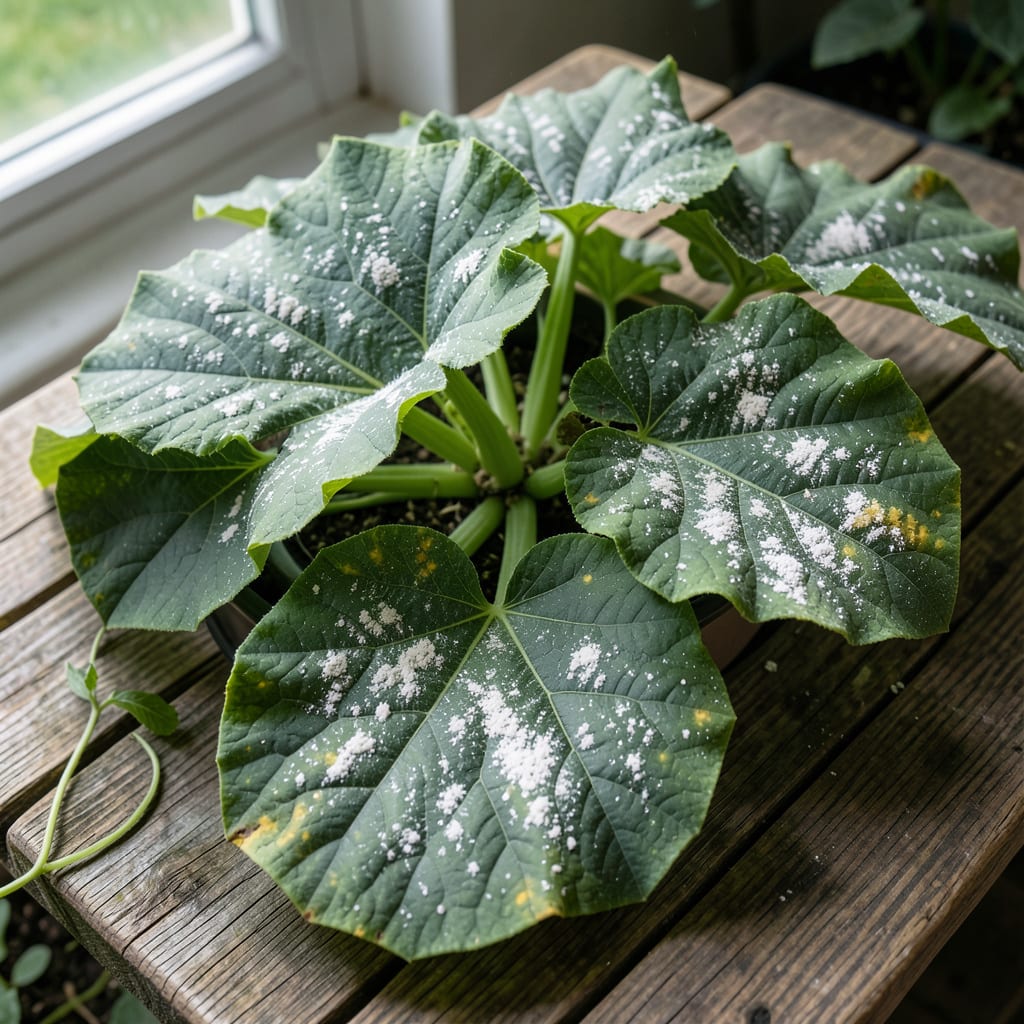
White spots on your zucchini leaves aren’t just unsightly—they’re a warning sign. I’ve dealt with this exact issue in my garden, and ignoring it means losing plants fast.
The culprit is usually powdery mildew or pests, but nutrient imbalances can cause it too. The good news? Natural treatments work, and prevention is simpler than you’d think. Here’s how to fix it without harsh chemicals.
📚 In This Guide
Here’s how I diagnose and treat this issue without harsh chemicals, keeping plants healthy and productive.
Examine the leaves closely with a magnifying glass if possible. Look for powdery white coating on the surface, which suggests powdery mildew—a common fungal issue with zucchini. This appears first on older leaves and spreads upward, often causing leaves to yellow and die prematurely.
If the patches are irregular, crusty, or raised, you might be dealing with downy mildew or even a bacterial issue. Check the undersides of leaves too, as some problems start there. I always take photos to track progression—it helps confirm whether the treatment is working.
Start by isolating the affected plants to prevent spreading to healthy ones. Use clean, sharp scissors to remove leaves with extensive white patches—dispose of these in the trash, not compost, as many fungal spores can survive composting. Cut at the base of the leaf stem to avoid tearing the plant.
After each cut, wipe your scissors with rubbing alcohol to prevent contaminating other plants. I keep a small spray bottle of alcohol handy for this. Even if the rest of the plant looks fine, removing the worst leaves gives it a better chance to recover and focus energy on new growth.
Mix a solution of 1 tablespoon baking soda, 1 teaspoon vegetable oil, and a few drops of dish soap in 1 gallon of water. This creates a gentle but effective spray that disrupts fungal growth without harming the plant. Spray the mixture thoroughly on both sides of all leaves, not just the affected ones.
Apply in the early morning or late evening to avoid leaf burn from the sun. Reapply every 7-10 days or after rain, as water can wash away the protective coating. I’ve found this works best when used consistently—don’t skip applications, even if the patches seem to be fading.
Fungal issues thrive in damp, still conditions. Thin out some of the plant’s leaves if it’s overly dense—this might feel counterintuitive, but it allows better airflow. Space plants at least 2-3 feet apart to start with, and prune regularly to maintain good circulation.
Water at the base of the plant, not from above, to keep leaves dry. I use a soaker hose for this. If you must use a sprinkler, do it early in the day so leaves have time to dry before evening. Avoid overhead watering in the late afternoon or evening when humidity is high and temperatures drop.
Healthy plants resist disease better. Apply a balanced organic fertilizer every 3-4 weeks to ensure your zucchini has the nutrients it needs. I prefer compost tea or fish emulsion for a gentle boost. Strong plants can often outgrow minor fungal issues if their growing conditions are otherwise ideal.
Rotate crops yearly to prevent buildup of fungal spores in the soil. If zucchini or related squash were planted in the same spot last year, consider moving them. I also add a layer of mulch around the base to prevent soil-borne spores from splashing onto leaves during rain or watering.
Small adjustments in your approach can make a big difference in treating this issue effectively.
Diagnosis Tip: In Step 1, use a magnifying glass to distinguish between powdery mildew (white coating) and downy mildew (irregular patches). Photos help track changes over time, so you can confirm if your treatment in Step 3 is working.
Prevention Strategy: For Step 4, watering at the base with a soaker hose keeps leaves dry, which is critical since fungal spores thrive in moisture. If you must use a sprinkler, do it early so leaves dry before evening humidity rises.
Application Consistency: The spray in Step 3 needs to be reapplied every 7-10 days or after rain. Missing applications can allow the fungus to rebound, even if the patches seem to fade initially.
Sanitation Reminder: In Step 2, always dispose of infected leaves in the trash, not compost, to prevent spores from spreading. Wiping scissors with rubbing alcohol between cuts stops contamination between plants.
White patches on zucchini leaves are often caused by powdery mildew, a fungal disease. It thrives in dry, warm conditions and can spread quickly if not treated. Other causes include sunburn, nutrient deficiencies, or pest infestations.
Yes, you can still eat zucchini from affected plants as long as the fruit itself looks healthy. However, avoid consuming leaves or stems with white patches, as they may harbor fungi or pests.
Mix 1 tablespoon of baking soda, 1 teaspoon of dish soap, and 1 gallon of water. Spray this solution on the leaves weekly. Neem oil or sulfur-based sprays are also effective natural treatments.
Improve air circulation around plants, water at the base (not the leaves), and avoid overhead irrigation. Plant resistant varieties and remove infected leaves promptly to prevent spread.
