
Beautiful Plants For Your Interior
Beautiful Plants For Your Interior
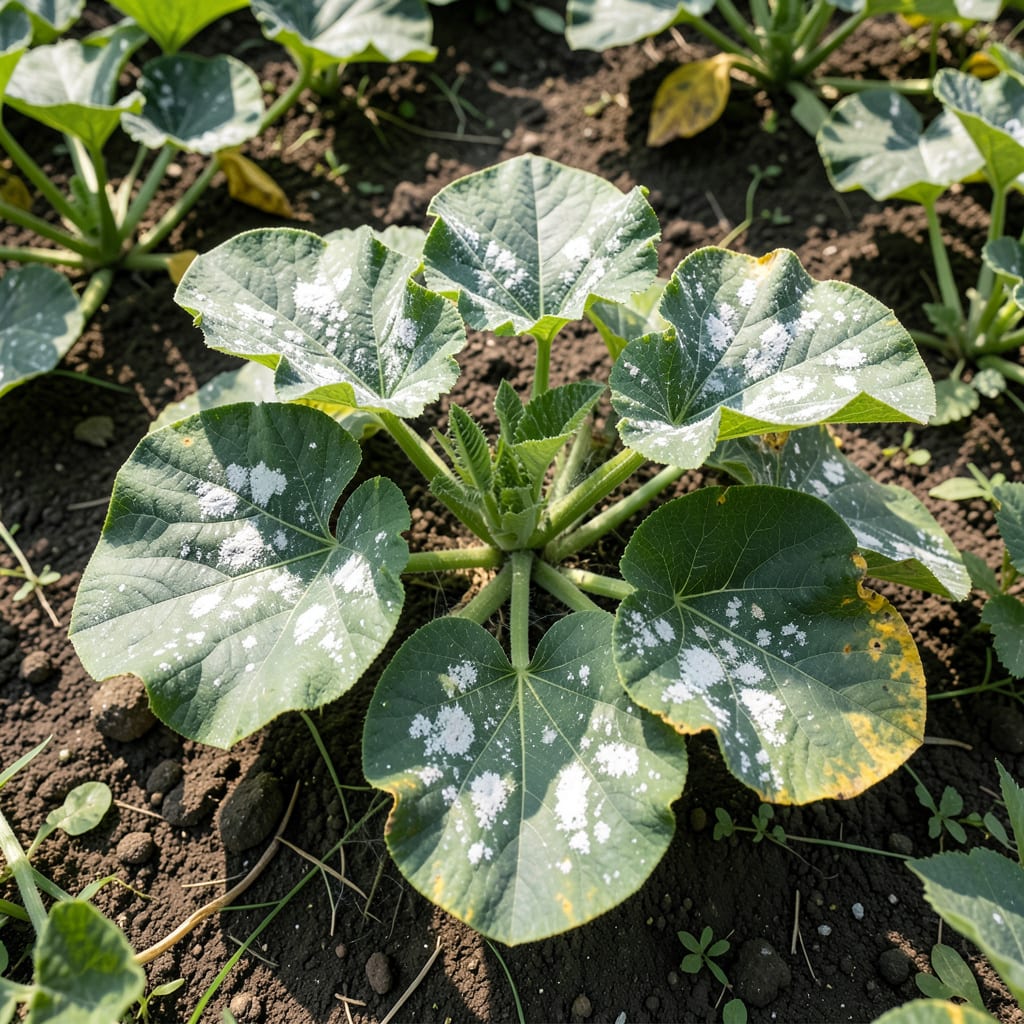
Spotted white patches on your courgette leaves this morning. I’ve been there—panicked, wondering if my entire harvest was doomed. Turns out, most causes are quick to fix once you know what you’re dealing with.
Powdery mildew, pests, or even sun damage can create these spots. The good news? With the right approach, your plants can bounce back faster than you’d expect. Here’s how to diagnose and treat the issue.
📚 In This Guide
Here’s how I diagnose and treat white patches quickly before they spread.
Start by examining both the top and underside of affected leaves with a magnifying glass if possible. Look for tiny webs, sticky residue, or powdery textures. I always check the newest growth first since many issues appear there initially.
White patches that rub off easily often indicate powdery mildew, while sticky residue suggests aphids. If you see webbing, spider mites are likely the culprit. This visual inspection takes 5-10 minutes but saves hours of guesswork.
As soon as you spot white patches, move the affected courgette plant away from others. Many leaf issues spread rapidly through direct contact or airborne spores. I use a separate area at least 3 feet away from healthy plants.
This isolation prevents the problem from jumping to neighboring plants while you figure out the exact cause. Even if it turns out to be harmless, it’s better to be safe than sorry with your entire garden.
For powdery mildew, remove the worst affected leaves and spray the plant with a mixture of 1 tablespoon baking soda and 1 quart water. I apply this in the early morning so leaves dry quickly in the sun.
If you find pests like aphids or spider mites, a strong blast of water from the hose often dislodges them. For severe infestations, use insecticidal soap according to package directions. Always treat in the evening to avoid burning leaves in the sun.
Most leaf problems thrive in still, humid air. Thin out dense foliage by removing 10-15% of the oldest leaves to improve airflow. I also make sure plants have 18-24 inches of space between them.
Consider adding a small fan on low setting for 1-2 hours daily if your garden has poor natural ventilation. This simple step reduces humidity and makes your plants less inviting to both fungal diseases and pests.
Check treated plants daily for 3-5 days to ensure the problem isn’t spreading. I keep a garden journal to track what works and what doesn’t for future reference.
Prevent future issues by watering at the base of plants rather than from above, and avoid late evening watering. A 1-inch layer of mulch around the base helps prevent soil-borne spores from splashing onto leaves during watering.
Here are the key details that streamline diagnosis and treatment.
Inspection Efficiency: Those 5-10 minutes in Step 1 are your best investment. Use a magnifying glass to catch early signs—powdery mildew often starts as faint white spots on upper leaves, while spider mites leave stippling on the undersides. Checking newest growth first, as mentioned, helps identify issues before they escalate.
Isolation Precision: The 3 feet distance in Step 2 isn’t arbitrary. Airborne spores from powdery mildew can travel surprisingly far, and direct contact spreads pests like aphids instantly. If space is tight, even a temporary barrier like a cardboard box can work until you move the plant permanently.
Treatment Timing: In Step 3, applying baking soda spray in the early morning ensures leaves dry quickly, preventing secondary fungal growth. For insecticidal soap, the evening timing avoids leaf burn from sun exposure while pests are most active. Always follow package directions for dilution rates to avoid damaging the plant further.
Airflow Strategy: The 1-2 hours daily fan recommendation in Step 4 makes a noticeable difference in humid climates. Position the fan to create gentle airflow across all plants, not just the affected ones. This prevents future outbreaks by keeping humidity levels in check.
White patches are often caused by powdery mildew, a fungal disease thriving in warm, dry conditions. It appears as a white, powdery coating on leaves.
Yes! The courgettes themselves are usually safe to eat if the issue is limited to the leaves. However, wash them thoroughly before consumption.
Remove infected leaves, improve air circulation, and apply a fungicide or a homemade mix of baking soda and water. Early intervention is key!
Yes, powdery mildew can spread to nearby plants. Isolate affected plants and treat them promptly to prevent further contamination.
Water at the base of plants, avoid overhead irrigation, and space plants properly for airflow. Regularly inspect leaves for early signs.
