
Beautiful Plants For Your Interior
Beautiful Plants For Your Interior
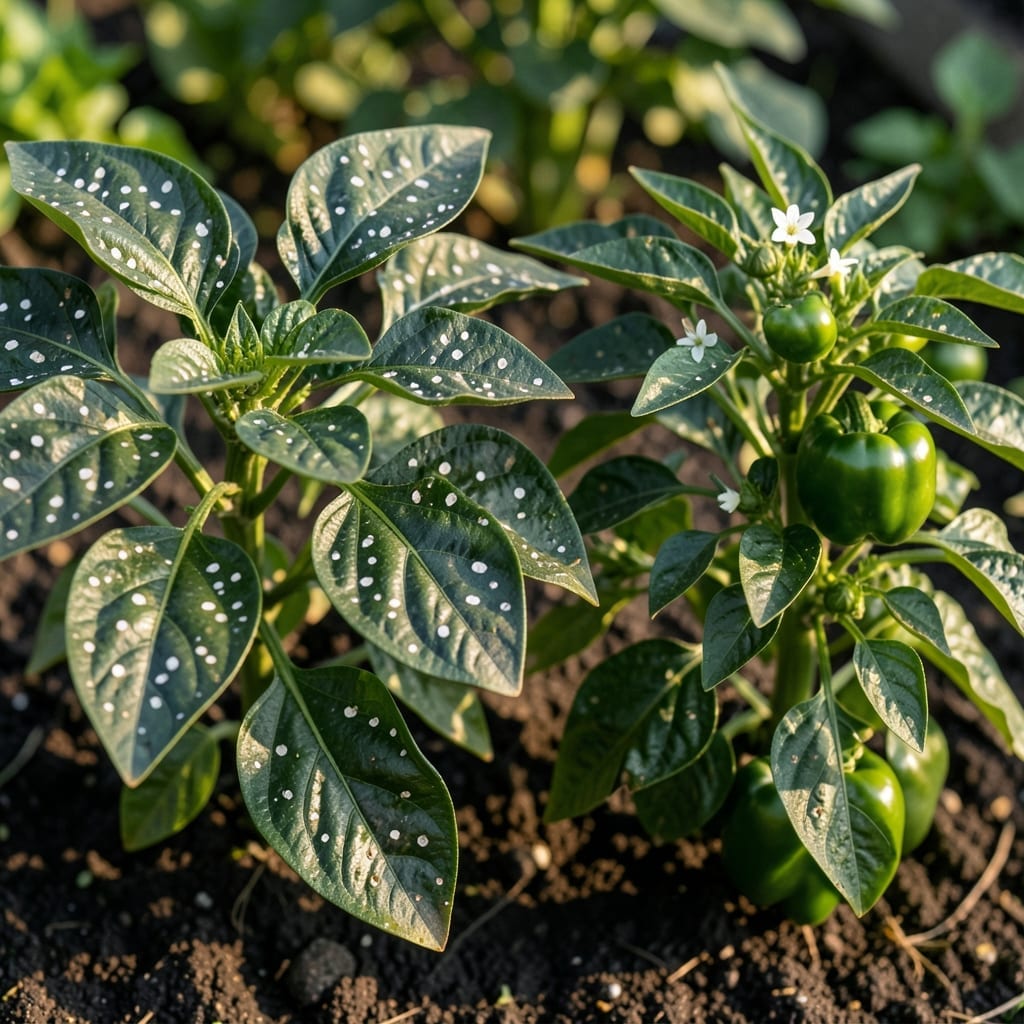
White spots on your pepper leaves aren’t just unsightly—they’re a warning sign. I’ve seen gardens go from thriving to struggling in a week because this issue was ignored too long.
It’s usually one of three culprits: powdery mildew, spider mites, or sun scorch. Each leaves a distinct pattern, and knowing which you’re dealing with saves you from wasting time on the wrong fix.
The good news? Most cases are fixable with simple adjustments. A spray of soapy water, better air circulation, or just moving pots out of harsh afternoon light often does the trick.
Early action keeps your plants productive and stops the problem from spreading to the rest of your garden. Here’s how to diagnose and treat it fast.
White spots on pepper leaves can stem from several underlying issues, each with distinct triggers. Here’s a breakdown of the most common causes:
Powdery mildew (Oidium spp.) and downy mildew (Pseudoperonospora) are primary fungal culprits. These thrive in high humidity (70-90%) and moderate temperatures (60-80°F). Powdery mildew appears as white, powdery patches on leaf surfaces, while downy mildew causes yellowish-white spots on the upper leaves with a downy growth underneath. Poor air circulation and wet foliage exacerbate these infections.
Spider mites and whiteflies are common pests that leave behind white stippling or spots. Spider mites pierce leaf cells to feed, creating tiny white or yellow speckles, often accompanied by fine webbing. Whiteflies, on the other hand, secrete a sticky honeydew that promotes sooty mold growth, which can appear as white or black spots. Check the undersides of leaves for these pests.
A calcium or magnesium deficiency can manifest as white or pale spots between leaf veins, particularly in new growth. Calcium deficiency often causes irregular, blotchy white patches, while magnesium deficiency leads to interveinal chlorosis (yellowing between veins) with white speckling. Test soil pH—calcium uptake is hindered in acidic soils (pH < 6.0), while magnesium becomes less available in sandy or waterlogged soils.
Sunscald or heat stress can cause bleached white spots on leaves exposed to intense sunlight, especially after sudden temperature spikes. Similarly, chemical burn from foliar sprays (e.g., neem oil or fungicides) applied in direct sunlight or at high concentrations may leave localized white patches. Always apply treatments during cooler parts of the day (early morning or late evening).
Once you’ve identified the cause of white spots on your pepper leaves, here’s how to tackle each issue with practical, easy-to-follow solutions:
Fix: Mix 1 tablespoon of baking soda, 1 teaspoon of dish soap, and 1 gallon of water. Spray this solution on affected leaves every 5–7 days until the spots disappear. Remove heavily infected leaves to prevent spread. 💡 Prevention Tip: Improve air circulation by spacing plants properly and watering at the base to keep foliage dry.
Fix: Blast pests off leaves with a strong stream of water, then apply insecticidal soap or neem oil (follow label instructions). For severe cases, introduce beneficial insects like ladybugs. 🌡️ Prevention Tip: Regularly inspect the undersides of leaves and keep the garden free of debris where pests hide.
Fix: Move potted peppers to a shadier spot or use shade cloth for in-ground plants. Trim damaged leaves to redirect energy to healthy growth. ✨ Prevention Tip: Gradually acclimate seedlings to sunlight and avoid overhead watering during peak heat.
Fix: Let the soil dry out between waterings and ensure pots have drainage holes. Repot plants in well-draining soil if root rot is suspected. 🎯 Prevention Tip: Use a moisture meter to avoid guesswork and water deeply but less frequently.
Fix: Apply a balanced fertilizer or amend the soil with compost. For calcium, add crushed eggshells to the soil. 🔥 Prevention Tip: Test soil annually and adjust amendments based on results.
Addressing the issue early keeps your pepper plants thriving and productive!
Yes, overwatering leads to root stress and poor nutrient uptake. This can trigger white or yellow patches as leaves react to the imbalance. Always let soil dry between waterings.
Improve airflow by spacing plants 18-24 inches apart. Water at the base, not the leaves, and avoid late evening watering. Baking soda spray weekly helps too.
Not always. Minor sunscald spots won’t kill the plant, but fungal or pest-related spots spread quickly if untreated. Inspect leaves weekly for changes.
Yes, but only for pest-related spots like spider mites. Apply 1 tablespoon neem oil per gallon of water at dusk. Avoid using in direct sunlight.