
Beautiful Plants For Your Interior
Beautiful Plants For Your Interior
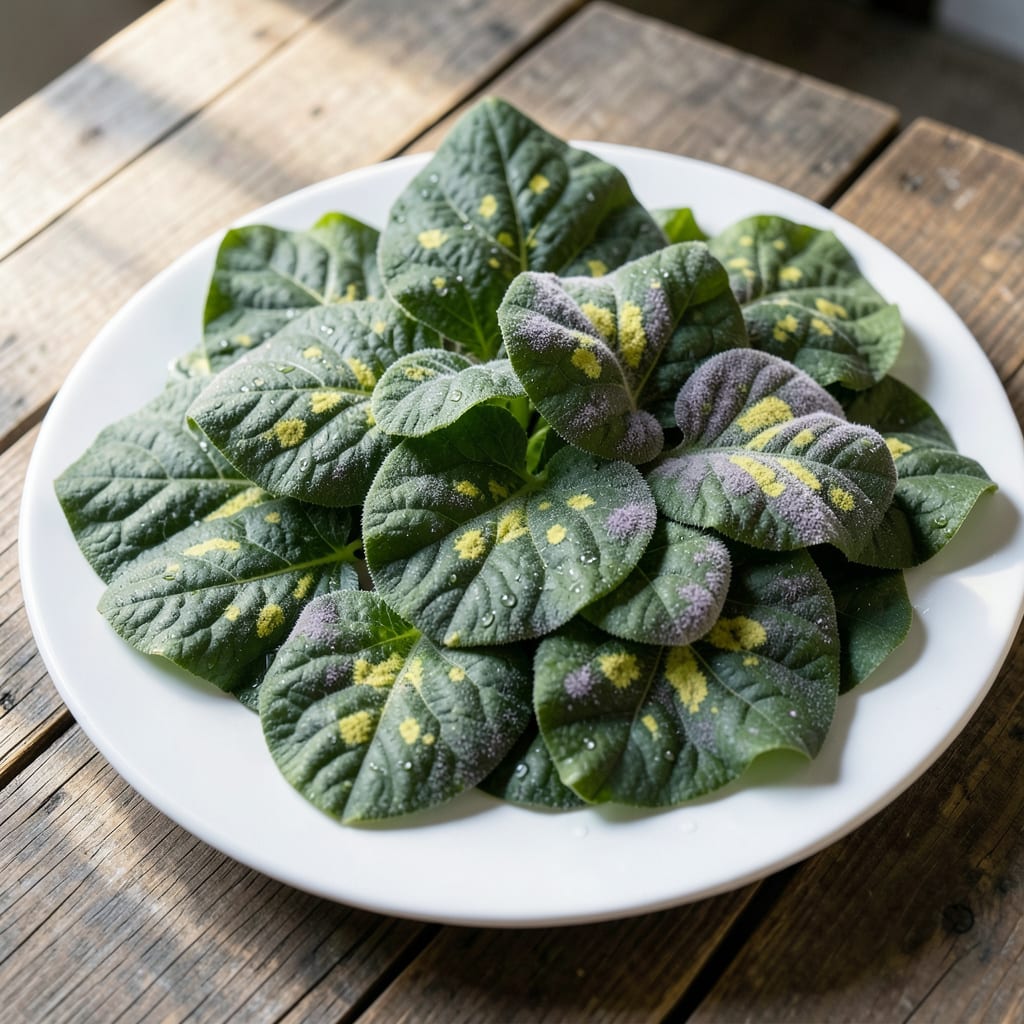
Those yellow spots on your cucumber leaves aren’t just ugly—they’re a warning. I’ve seen downy mildew wipe out an entire crop in 10 days if ignored, but catching it early changes everything.
The first sign is usually pale yellow patches on upper leaves, with a fuzzy gray growth underneath. It spreads fast in cool, wet weather, turning leaves brown and crispy. Most gardeners miss it until it’s too late.
Here’s the thing—this isn’t about blame. Even perfect gardeners get hit. The fix starts with removing infected leaves immediately and improving air circulation. A simple copper spray can stop it in its tracks.
Prevention is easier than cure: space plants properly, water at the base, and choose resistant varieties. Your cucumbers can still thrive this season.
Downy mildew in cucumbers doesn’t appear out of nowhere—it’s fueled by specific environmental and biological conditions. Understanding these triggers helps you stop the disease before it spreads. Here’s what’s really going on:
The primary culprit behind early-stage downy mildew is prolonged leaf wetness. The pathogen, Pseudoperonospora cubensis, thrives in environments with relative humidity above 85% and temperatures between 60–75°F (15–24°C). Dew, rain, or even overhead irrigation that keeps foliage wet for 4–6 hours creates the perfect breeding ground for spores to germinate and infect leaves.
Cool nights (below 60°F/15°C) followed by warm days accelerate spore production. This temperature swing weakens cucumber plants’ natural defenses, making them more susceptible to infection. The pathogen remains dormant in extreme heat but reactivates as soon as conditions cool and moisture returns.
Dense plantings or lack of pruning restrict airflow, trapping humidity around leaves. Stagnant air prevents foliage from drying quickly, giving downy mildew spores more time to take hold. Crowded greenhouses or tunnel systems are especially high-risk if ventilation isn’t managed.
The fungus can overwinter in cucumber crop debris or contaminated seeds. If you reuse soil or start with infected seedlings, the disease may emerge as soon as conditions favor it. Even tools or workers moving between infected and healthy plants can spread the pathogen.
Addressing these triggers—through improved drainage, spacing, and sanitation—can significantly reduce early-stage outbreaks.
Downy mildew can be managed effectively with timely action. Below are targeted solutions for early-stage infections, along with prevention tips to keep your cucumber plants healthy.
Downy mildew thrives in damp, stagnant conditions. Space plants at least 18–24 inches apart to allow airflow. Prune dense foliage to reduce humidity around leaves. Use vertical trellises to lift vines off the ground, improving ventilation and reducing moisture buildup.
Avoid overhead watering, which wets the leaves and encourages fungal growth. Instead, water at the base of the plant early in the day so foliage dries quickly. Drip irrigation is ideal for keeping leaves dry while delivering moisture to the roots.
For active infections, use copper-based fungicides or potassium bicarbonate sprays, following label instructions. Organic options like neem oil or baking soda solutions (1 tsp baking soda + 1 quart water + a drop of dish soap) can also slow the spread. Apply in the early morning or late evening to avoid leaf burn.
At the first sign of yellow spots or fuzzy growth, prune and destroy infected leaves to prevent spores from spreading. Disinfect pruning tools with rubbing alcohol between cuts. Avoid composting diseased plant material—burn or bag it instead.
In ideal conditions, it can infect an entire planting in 7-10 days. The spores spread via wind and water, so early removal of infected leaves is critical to slow progression.
The pathogen can survive in plant debris over winter. Always remove and destroy infected plants at season’s end, and rotate crops to break the cycle.
Yes, the fruit itself remains safe to eat. However, severely stressed plants may produce fewer or poorer quality cucumbers. Focus on treating the foliage.
Copper fungicides or potassium bicarbonate sprays work best. Apply every 7-10 days during wet periods, or after rain, for prevention.
