
Beautiful Plants For Your Interior
Beautiful Plants For Your Interior
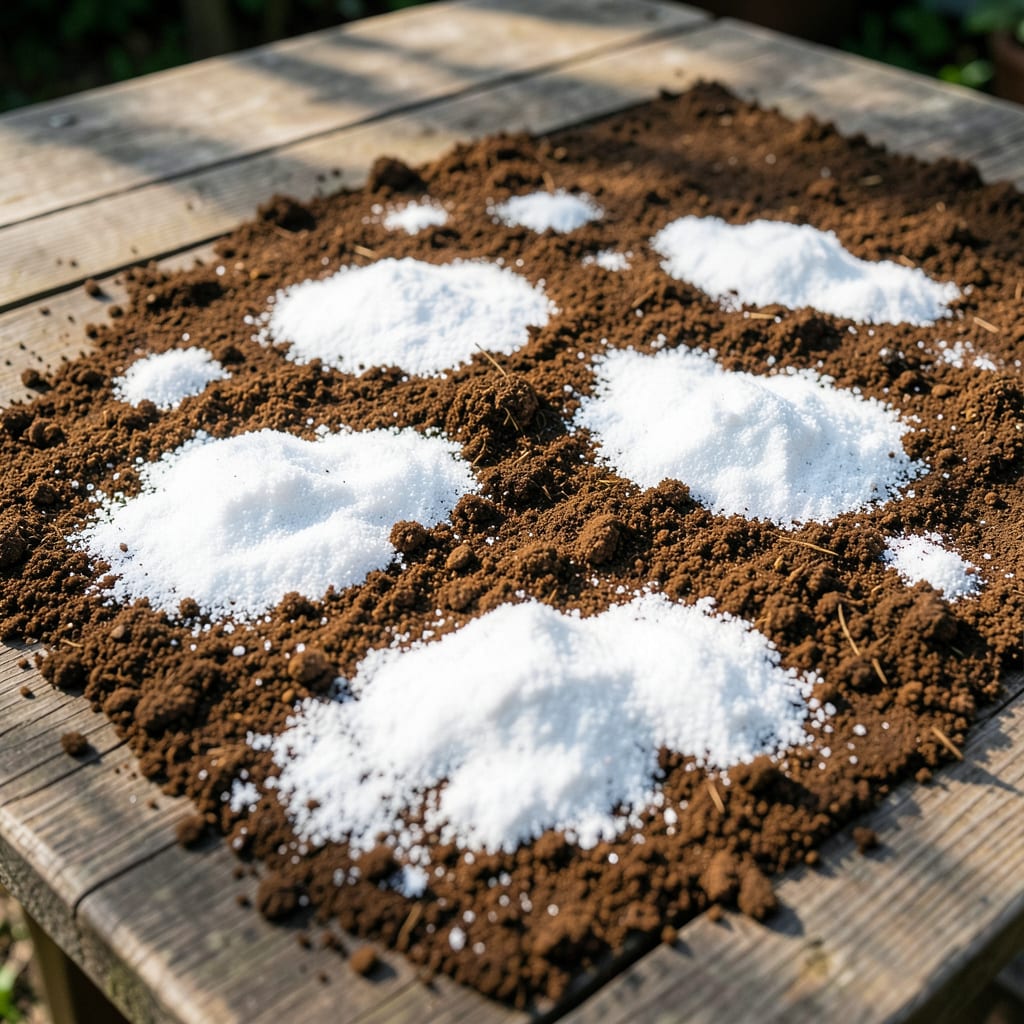
White patches on soil can send gardeners into a panic. I’ve seen it happen overnight—what looked like healthy soil suddenly dotted with mysterious white spots. Don’t assume it’s bad news yet, though.
It could be beneficial mycorrhizal fungi or harmless salt deposits, but it might also signal trouble like powdery mildew or overwatering. The key is knowing which is which before you take action.
I’ve learned to look for clues: texture, location, and whether plants are actually suffering. This simple diagnostic approach saves me from overreacting every time.
You’ll be able to tell the difference between friend and foe in minutes with the right know-how.
White patches on soil are often a sign of underlying biological or chemical activity. Here are the most common causes, explained with actionable insights:
Fungi, particularly saprophytic types like Trametes or Armillaria, produce white, thread-like mycelium as they decompose organic matter. This is common in moist, wood-rich soils. The mycelium spreads rapidly, breaking down cellulose and lignin, which can appear as cottony or powdery white patches.
Excessive irrigation with hard water or fertilizer buildup can leave behind white, crusty salt deposits (e.g., calcium, magnesium, or potassium salts). These form as water evaporates, especially in arid climates or poorly draining soils. Test soil pH and conductivity to confirm.
Some soil-dwelling bacteria, like Streptomyces, produce white, powdery colonies during active growth phases. These are harmless but thrive in high-organic-matter soils with adequate moisture. They often emit an earthy smell and may compete with plants for nutrients.
Spills from lime, gypsum, or fungicides can create localized white patches. Lime (calcium carbonate) raises soil pH, while gypsum (calcium sulfate) improves structure but may leave visible residues. Always follow application rates to avoid overuse.
Identify the cause by observing texture (powdery vs. thread-like), location (surface vs. deep soil), and recent soil amendments. Each culprit requires a tailored approach for removal or management.
White patches on soil are often caused by fungal growth, salt buildup, or mold. Here’s how to tackle each issue effectively.
Addressing white patches early keeps your soil—and plants—healthy and thriving!
Not always. White mycelium from beneficial fungi is harmless and even helps plants. However, powdery mildew or pathogenic mold can harm plants if left unchecked.
Improve drainage, avoid overwatering, and use distilled water if your tap water is hard. Add 1-2 inches of organic mulch to regulate moisture.
For mineral deposits, dilute white vinegar (1 part vinegar to 3 parts water) and apply to affected areas. Test on a small patch first to avoid harming plants.
