
Beautiful Plants For Your Interior
Beautiful Plants For Your Interior
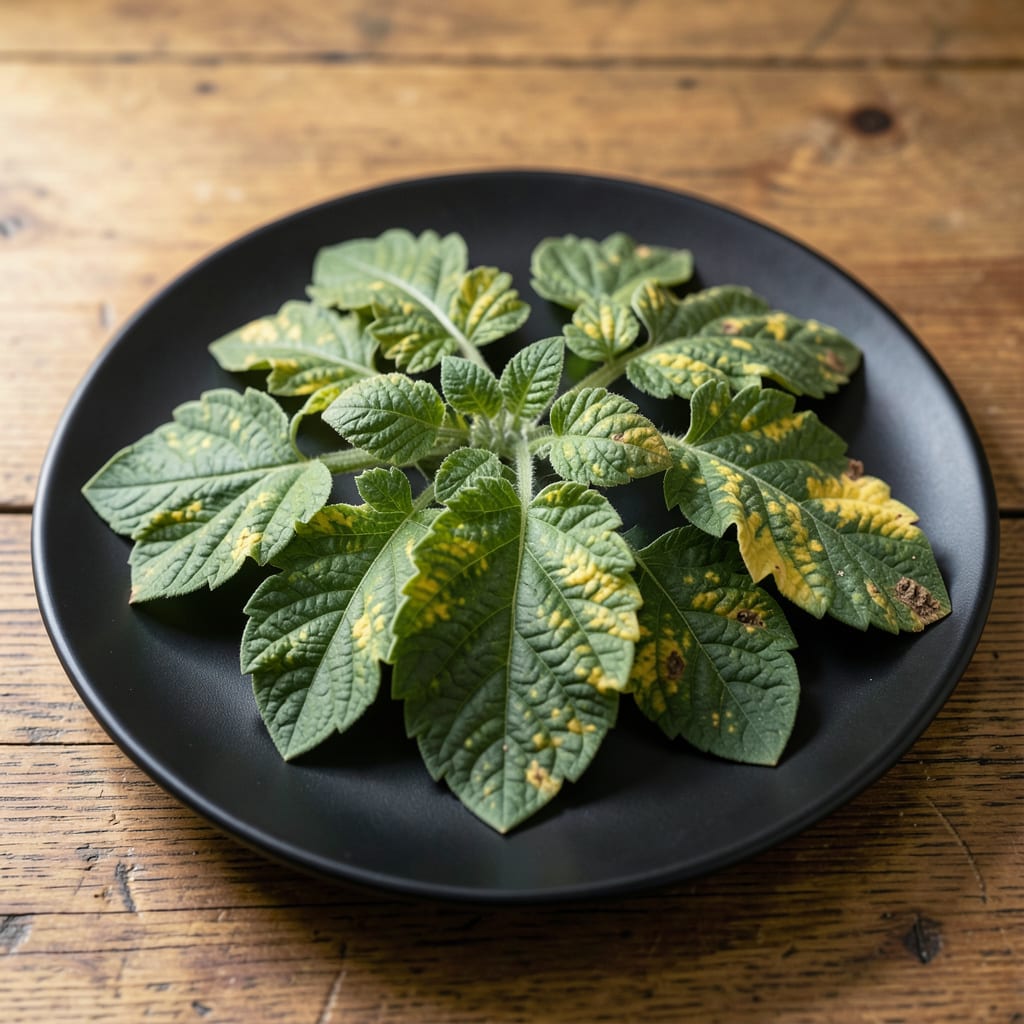
Those yellow spots on your tomato leaves aren’t a death sentence. I’ve seen calcium deficiency turn a thriving plant into a problem child overnight, but there’s a simple fix.
The first sign is usually distorted new growth or those telltale yellow patches between veins. Then comes the blossom end rot on fruits—dark, sunken spots that ruin your harvest. It’s not about calcium in your soil, but whether your plants can access it.
Here’s the thing—overwatering, cold soil, or uneven moisture lock calcium out of roots. A foliar spray gives immediate relief while you sort the soil. I use crushed eggshells in planting holes as a slow-release backup.
You’ll see improvement in new growth within a week. The key is catching it early and staying consistent with your treatment.
Calcium deficiency in tomato leaves often stems from several key factors that disrupt nutrient uptake or availability. Here’s a breakdown of the most common causes:
Soil that is too acidic (pH below 6.0) or waterlogged can limit calcium solubility, making it unavailable to roots. Sandy or poor-quality soils also lack sufficient calcium reserves.
Fluctuations in soil moisture—especially drought followed by heavy watering—disrupt calcium transport. Tomato roots need consistent moisture to absorb calcium efficiently.
During periods of fast vegetative growth or fruit development, tomatoes may outpace their calcium supply, leading to deficiencies even if soil levels are adequate.
Excess magnesium, potassium, or ammonium in the soil can compete with calcium uptake, blocking absorption. Over-fertilizing with nitrogen can also trigger rapid growth, exacerbating the issue.
Extreme heat or cold can slow root activity, reducing calcium absorption. High humidity may also interfere with transpiration, further limiting nutrient movement within the plant.
Tackling calcium deficiency in tomato plants is straightforward with the right approach. Here’s how to address each cause and restore your plant’s health.
Calcium moves through water, so inconsistent soil moisture disrupts its uptake. Fix it by maintaining even watering—aim for 1–2 inches per week, adjusting for rainfall. Use drip irrigation or soaker hoses to deliver water directly to the roots. Mulch around the base to retain moisture and prevent fluctuations.
If your soil lacks calcium, amend it with gypsum (calcium sulfate) or lime (calcium carbonate). Gypsum works quickly and won’t alter soil pH, while lime is ideal for acidic soils (test pH first). Mix 1–2 tablespoons of gypsum per plant into the top 6 inches of soil. For a quick boost, use a calcium-rich foliar spray like calcium chloride—apply in the early morning or late evening to avoid leaf burn.
Heatwaves or cold snaps can hinder calcium absorption. Shade cloths protect plants from scorching sun, while row covers guard against chilly nights. Keep soil temperatures between 60–85°F for optimal uptake. In containers, move pots to a sheltered spot during temperature swings.
With these fixes, your tomato leaves will regain their vigor, and blossom end rot will be a thing of the past!
With proper treatment, new growth shows improvement in 5-7 days. Foliar sprays act fastest, while soil amendments take 2-3 weeks to fully integrate. Consistency is key for lasting results.
Crushed eggshells work best as a long-term soil amendment, not an immediate solution. They break down slowly, releasing calcium over several months. For faster results, use gypsum or a foliar spray.
Calcium is immobile in plants, meaning it can’t travel from old leaves to new growth. When deficient, the plant can’t redistribute calcium, so symptoms appear first in young leaves and growing tips.
Yes, blossom end rot is the classic sign of calcium deficiency in tomatoes. However, it can also be triggered by inconsistent watering or root damage, which prevent calcium uptake even when soil levels are adequate.
