
Beautiful Plants For Your Interior
Beautiful Plants For Your Interior
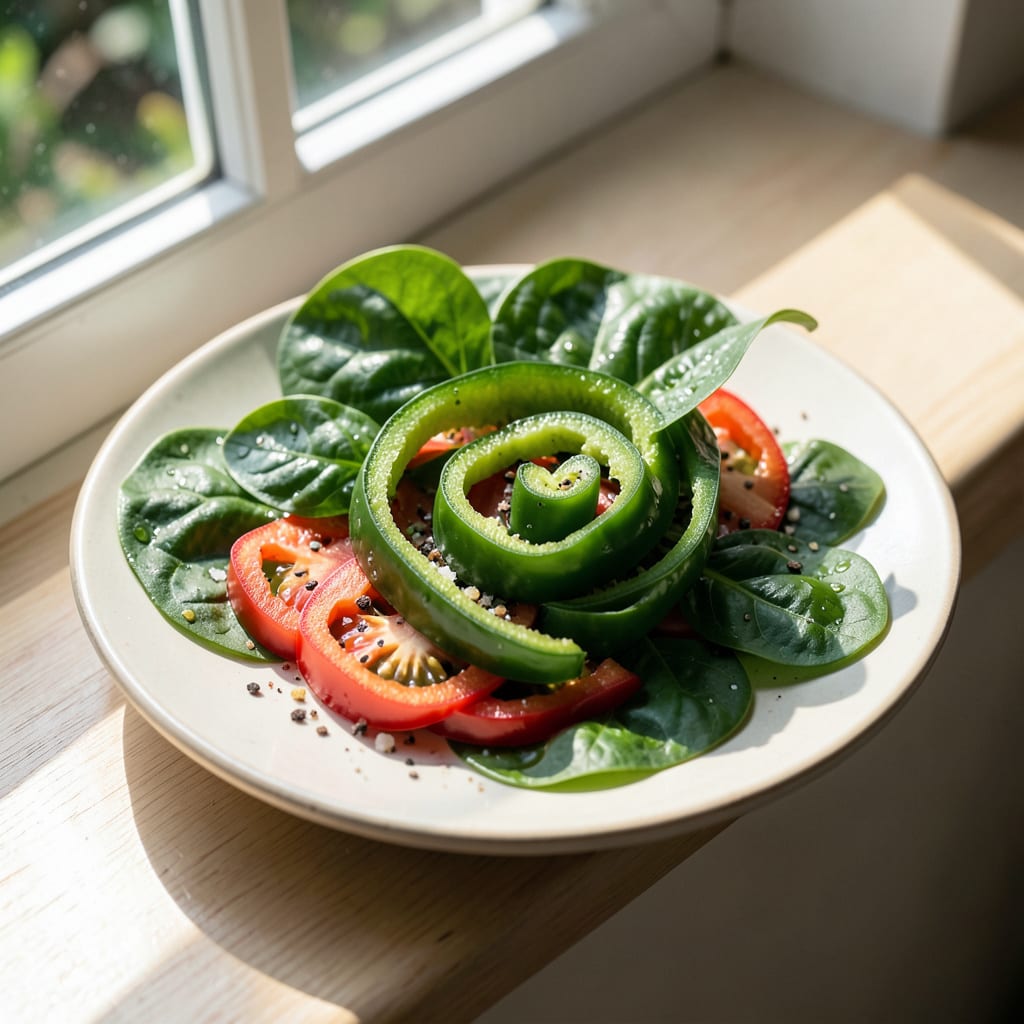
Nothing deflates a gardener faster than seeing bell pepper leaves curl downward overnight. I’ve lost count of how many plants I’ve saved by catching this early—it’s always a sign something’s off with their environment.
Between you and me, it’s rarely a death sentence. More often it’s too much heat, uneven watering, or a hungry pest throwing a tantrum. The fix usually takes 24-48 hours once you pinpoint the stressor.
You’ll know it’s working when those leaves unfurl and return to their vibrant green glory. The plants bounce back faster than you’d expect, especially with consistent care.
Works for container gardens, raised beds, or in-ground plants. Here’s how to play plant detective and nurse them back to healthy.
Bell pepper leaves curling downward is often your plant’s SOS signal. Below are the most common scientific causes, each with clear triggers and fixes.
When soil temperatures exceed 85°F (29°C), pepper roots struggle to absorb water, leading to temporary wilting and downward leaf curl. Similarly, inconsistent watering (drought or waterlogging) disrupts turgor pressure in leaf cells, causing them to fold. Peppers need 1–2 inches of water weekly, deep and evenly spaced.
Aphids, spider mites, and whiteflies pierce leaf cells to feed, injecting toxins that distort growth. Their honeydew also promotes sooty mold, stressing the plant further. Check leaf undersides for webbing (mites) or sticky residue (aphids). A neem oil spray or insecticidal soap can disrupt their lifecycle.
Excess nitrogen encourages lush foliage at the expense of structural integrity, while calcium or magnesium deficiency weakens cell walls. Yellowing between leaf veins (interveinal chlorosis) hints at magnesium lack, whereas new leaves curling often signals calcium shortage. Amend soil with compost or a balanced 10-10-10 fertilizer and add crushed eggshells for calcium.
Sudden temperature drops below 55°F (13°C) or exposure to herbicide drift (e.g., 2,4-D) can trigger leaf curling. Windy conditions may also physically stress leaves. Use row covers for cold protection and avoid spraying herbicides near your garden.
Here’s how to tackle each common cause and restore your bell pepper plants to full health.
Fix: Move potted plants to a shaded area during peak sun (11 AM–3 PM) or use shade cloth for in-ground plants. Water deeply at the base early in the morning to prevent evaporation. Aim for 1–2 inches of water per week, adjusting for extreme heat.
Prevention: Mulch with straw or wood chips to retain moisture. Consider drip irrigation for consistent hydration.
Fix: Let the top 1–2 inches of soil dry out before watering again. If the roots are soggy, improve drainage by amending the soil with perlite or sand. For container plants, ensure pots have drainage holes.
Prevention: Use well-draining soil mixes and water only when the soil feels dry. A moisture meter can help avoid guesswork.
Fix: Spray leaves with neem oil or insecticidal soap to target aphids, spider mites, or whiteflies. For severe cases, introduce beneficial insects like ladybugs. Remove heavily infested leaves to stop the spread.
Prevention: Inspect plants weekly for early signs of pests. Companion planting with basil or marigolds can deter common pests.
Fix: Test your soil to identify deficiencies. For magnesium (common in curling leaves), apply Epsom salt (1 tablespoon per gallon of water) as a foliar spray. For nitrogen or potassium, use a balanced fertilizer (10-10-10) or organic options like compost tea.
Prevention: Feed plants with a slow-release fertilizer at planting and every 4–6 weeks during the growing season.
Fix: Stake tall plants or use a windbreak (like a mesh screen) to shield them. Gently tie stems to supports with soft twine to prevent further stress.
Prevention: Plant in sheltered spots or group plants together to reduce wind exposure.
💡 Pro Tip: Always address the issue at the first sign of curling. Early action often means a quicker recovery and a healthier harvest!
With proper care, most plants show improvement within 24-48 hours. Severe cases may take up to a week to fully unfurl. Consistency in watering and environment is key.
Yes, too much nitrogen creates rapid, weak growth that can’t support itself. Always follow package instructions and test soil before adding more nutrients.
Only remove leaves that are severely damaged or pest-infested. Mildly curled leaves will often recover once the underlying issue is fixed.
Temporary curling won’t harm your harvest, but prolonged stress can reduce yield. Address the cause quickly to keep plants productive.
