
Beautiful Plants For Your Interior
Beautiful Plants For Your Interior
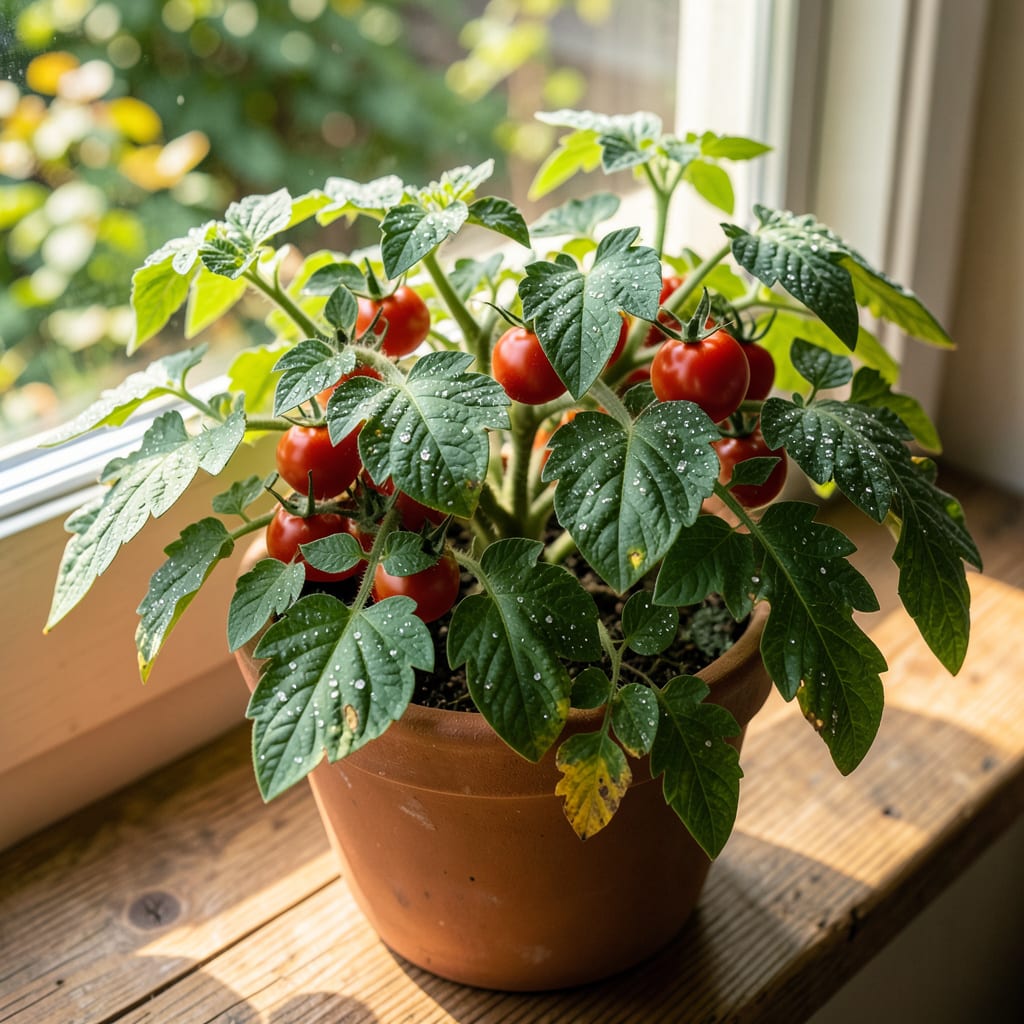
Those tiny white spots on your tomato leaves aren’t just unsightly—they’re a warning. I’ve seen powdery mildew, spider mites, and even sun scorch show up this way, and ignoring them guarantees bigger problems later.
Here’s the thing—most gardeners assume it’s disease, but overwatering or poor air circulation can trigger the same spots. The solution starts with 3 simple checks: inspect leaf undersides, test soil moisture, and examine your watering habits.
Once you identify the cause, recovery is straightforward. Neem oil, pruning affected leaves, or adjusting your care routine usually does the trick. The key is acting before the spots spread to stems and fruit.
Your tomatoes can bounce back quickly with the right approach. Let’s figure out what’s really going on with your plants.
Those tiny white spots on your tomato leaves aren’t random—they’re your plant’s way of sounding the alarm. Here’s why they appear, broken down by the most common culprits.
This fungal disease (Oidium neolycopersici) thrives in warm, dry days followed by cool, humid nights. It spreads when spores land on leaves, germinate, and form white, powdery colonies. Poor air circulation and crowded plants accelerate its growth.
These minuscule pests pierce leaf cells to feed, leaving behind stippling—tiny white or yellow specks. They multiply rapidly in hot, dry conditions, often first appearing on the undersides of leaves.
Hard water or foliar sprays with high mineral content (e.g., calcium, magnesium) can leave chalky white residue when water evaporates. This is purely cosmetic but may signal overuse of supplements.
Unlike powdery mildew, downy mildew (Pseudoperonospora) starts as pale yellow or white patches on leaf undersides due to the pathogen P. cubensis. It favors wet, cool weather and can quickly turn leaves brown.
Overhead watering on sunny days can create magnifying droplets that scorch leaf tissue, leaving white scars. Similarly, herbicide drift or improperly diluted sprays (e.g., neem oil) may cause localized bleaching.
Dealing with tiny white spots on your tomato leaves? Here’s how to tackle each common cause with simple, actionable fixes—and prevent future flare-ups.
Fix: Remove affected leaves immediately to stop the spread. Spray the plant with a baking soda solution (1 tsp baking soda + 1 quart water + a few drops of dish soap) or neem oil every 7–10 days. Improve airflow by pruning dense foliage.
💡 Prevention: Water at the base (not overhead) to keep leaves dry, and space plants 18–24 inches apart.
Fix: Blast pests off with a strong jet of water, then apply insecticidal soap or horticultural oil. For severe cases, introduce beneficial insects like ladybugs.
💡 Prevention: Inspect leaves weekly (check undersides!) and use reflective mulch to deter whiteflies.
Fix: Move potted tomatoes to shade during peak sun (11 AM–3 PM). For in-ground plants, use shade cloth (30–40% density) or plant taller crops nearby for natural shade.
💡 Prevention: Harden off seedlings gradually before transplanting, and mulch around the base to retain soil moisture.
Fix: Wipe leaves gently with a damp cloth to remove residue. Switch to filtered or rainwater for irrigation if your tap water is high in minerals.
💡 Prevention: Use a drip irrigation system to avoid leaf contact with hard water.
Fix: For calcium, add crushed eggshells to soil or use a calcium-rich foliar spray. For magnesium, apply Epsom salt solution (1 tbsp per gallon of water) to leaves.
💡 Prevention: Test soil annually and amend with compost or balanced fertilizer before planting.
Act fast—the sooner you address the issue, the quicker your tomatoes will bounce back! 🌱
Early spots are often harmless, but left unchecked they can spread rapidly. Fungal infections like powdery mildew can weaken plants and reduce yields if untreated.
Check leaf undersides with a magnifying glass. Tiny moving dots indicate spider mites, while white powdery coating suggests mildew. Neem oil treats both effectively.
Yes, prune severely spotted leaves immediately using clean shears. This prevents spread to healthy foliage. Disinfect tools with rubbing alcohol after each cut.
as long as the fruit itself shows no spots or damage. Wash tomatoes thoroughly before eating. The issue is primarily cosmetic until advanced stages.
