
Beautiful Plants For Your Interior
Beautiful Plants For Your Interior
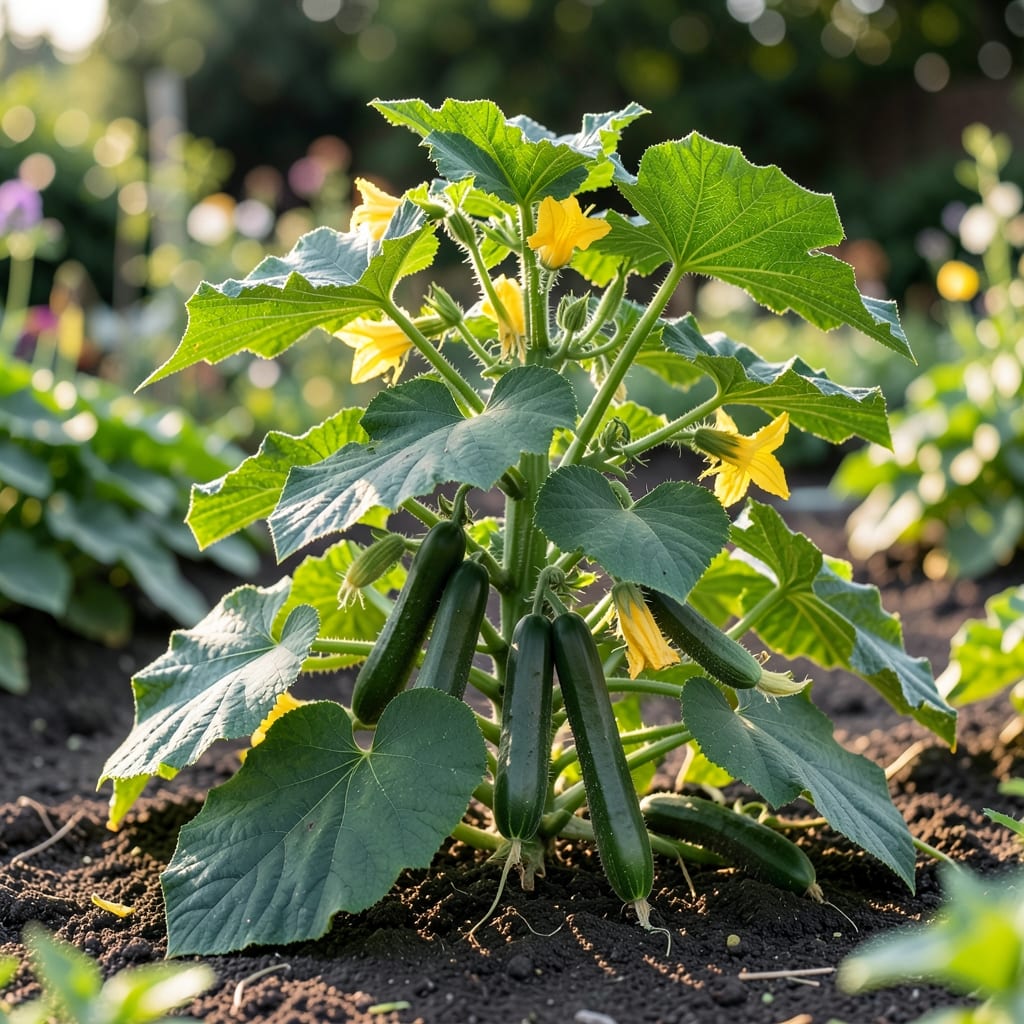
White spine cucumbers caught my attention with their delicate pale skin and sweet, mild flavor. They’re a standout in the garden, offering something different from the usual dark-green varieties.
Growing them requires the same basics as other cucumbers—warm soil, plenty of sun, and consistent moisture. The payoff is a productive plant that resists some common diseases, making it a reliable choice for beginners and seasoned gardeners alike.
📚 In This Guide
Here’s my battle-tested approach to spotting problems early and keeping your crop healthy all season long.
Walk through your patch every 2-3 days with a critical eye. I start at the base of each plant, checking stems for dark, water-soaked lesions—a classic sign of bacterial wilt. Then move upward, examining leaves for yellowing between veins or white powdery spots, which often indicate downy mildew.
Don’t forget the undersides of leaves, where problems often begin. Use a hand lens if needed—early detection means you can act before the disease spreads. I’ve found that morning inspections are best, as dew makes symptoms more visible against the leaf surface.
The moment you spot an infected plant, remove it from the garden entirely. I use a dedicated pair of pruners (sterilized with rubbing alcohol between cuts) to avoid transmitting pathogens. Place the plant in a sealed bag—don’t compost it, as many cucumber diseases persist in organic matter.
For plants with localized symptoms, I’ll sometimes remove just the affected leaves, but only if the rest of the plant appears vigorous. Always wash your hands with soap after handling sick plants. This simple step prevents you from accidentally spreading spores to healthy specimens during your next inspection.
Space plants 3-4 feet apart to ensure proper air circulation—a crowded canopy traps moisture and invites disease. I water at the base using a drip system, keeping foliage dry to discourage fungal growth. Morning watering allows leaves to dry before evening, when cooler temperatures and humidity create ideal conditions for pathogens.
Rotate your cucumber beds every 3 years if possible. I’ve noticed a significant reduction in disease pressure when cucumbers don’t follow other cucurbits in the same spot. For container growing, use fresh potting mix each season and clean pots with a 10% bleach solution.
At the first sign of powdery mildew, I apply a baking soda solution (1 tablespoon per gallon of water with a drop of dish soap) to affected plants. For bacterial issues, copper-based fungicides can be effective when applied at 7-day intervals according to label instructions.
Neem oil works as both a fungicide and insecticide, but I’ve learned to apply it in the evening to avoid burning leaves in hot sun. Always test any spray on a small area first—some cucumber varieties show sensitivity to certain treatments. Remember that prevention is easier than cure, so maintain your treatment schedule even when plants appear healthy.
These practical insights will help you stay ahead of problems before they start.
Inspection Timing: That 2-3 day inspection window in Step 1 is critical—diseases can spread rapidly in cucumber plants. I set calendar reminders to stay consistent, especially after rain when fungal spores are most active. Morning inspections are indeed best, as dew highlights early symptoms you might otherwise miss.
Isolation Technique: In Step 2, the key to effective isolation is speed. Have a dedicated pruning tool and sealed bags ready before you start inspecting so you can act immediately when you spot trouble. I keep a spray bottle of rubbing alcohol right in my garden toolkit for quick sterilization between cuts.
Cultural Prevention: The 3-4 feet spacing in Step 3 isn’t just for air circulation—it also allows you to inspect plants more thoroughly without damaging neighboring foliage. For the 3-year rotation, I recommend keeping a garden journal to track where cucurbits were planted each season.
Treatment Application: For the 7-day intervals in Step 4, mark your calendar the moment you first apply treatment. Consistency is more important than the specific time of day, though evening applications do reduce the risk of leaf burn. Always follow label instructions precisely—more isn’t better with organic treatments.
Look for white, powdery spots on leaves or stems, often accompanied by yellowing. Early signs include small, circular lesions that spread quickly. Inspect the undersides of leaves for the first signs of infection.
Practice crop rotation, ensure proper spacing for airflow, and avoid overhead watering. Use resistant cucumber varieties and apply fungicides preventatively if the disease is common in your area.
It’s best to avoid eating heavily infected cucumbers, as the disease can affect taste and texture. However, if the infection is mild and limited to the leaves, the fruit may still be safe to consume after thorough washing.
Try spraying a mixture of baking soda and water (1 tsp per quart) or neem oil to combat fungal growth. Removing and destroying infected plant parts can also help prevent the disease from spreading.
Recurring infections often result from poor air circulation, excessive moisture, or contaminated soil. Improve growing conditions and sanitize tools and garden beds between plantings to break the disease cycle.