
Beautiful Plants For Your Interior
Beautiful Plants For Your Interior
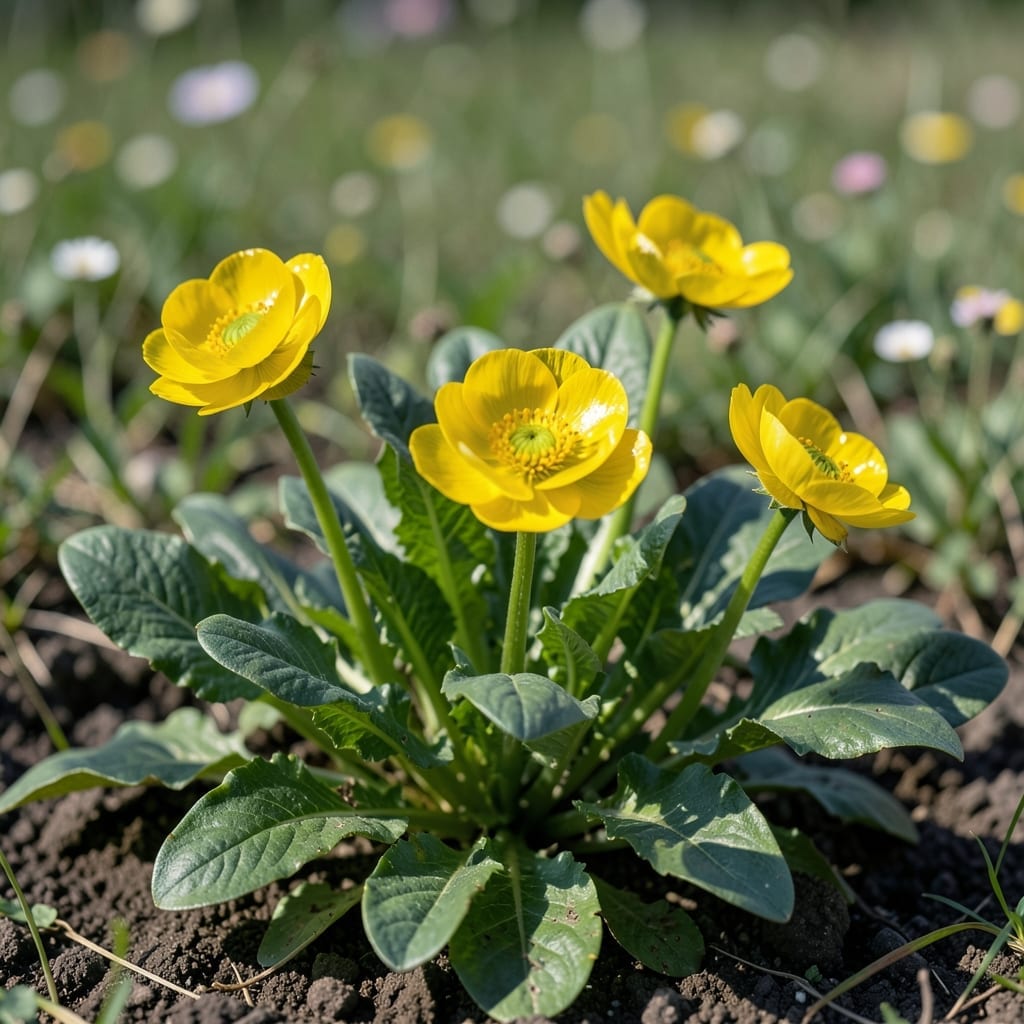
Yes, buttercups are toxic to both humans and animals due to protoanemonin, a compound that causes skin irritation and gastrointestinal distress if ingested.
This toxicity arises from a natural defense mechanism in the plant that deters herbivores. I’ve learned that even brief skin contact with the sap can trigger redness or blisters in sensitive individuals. For gardeners, it’s crucial to wear gloves when handling these flowers and to keep pets away from areas where they grow. 🔥
What’s particularly concerning is how quickly symptoms can appear after ingestion, often within minutes. Children and small animals are especially vulnerable to the effects.
💡 In This Article
Buttercups produce protoanemonin, a volatile oil released when plant cells are damaged. This compound forms through enzymatic reactions in the sap, transforming from harmless ranunculin to its toxic state upon crushing. The conversion happens almost instantly, making fresh injuries the most dangerous.
When protoanemonin contacts skin, it disrupts cellular membranes, causing immediate burning, redness, and blistering. In the digestive tract, it irritates mucous membranes, triggering nausea, vomiting, and diarrhea. The compound’s lipophilicity allows it to penetrate tissues rapidly, which is why symptoms appear within 10-30 minutes of exposure. 🔥
Animals instinctively avoid buttercups due to the bitter taste and oral irritation. Cattle and horses that accidentally graze on them often develop excessive salivation and mouth ulcers. The toxicity varies by species—some buttercups contain higher concentrations, with Ranunculus bulbosus being particularly potent.
Interestingly, protoanemonin degrades when the plant is dried, which is why hay containing buttercups loses most toxicity after several weeks. However, fresh plants remain hazardous. The compound also breaks down in sunlight, which explains why buttercups growing in partial shade retain more toxicity than those in full sun.
For humans, even small amounts can be problematic. Children who chew on stems or leaves may experience throat swelling and difficulty swallowing. The sap can also cause photodermatitis, where skin becomes extra sensitive to sunlight after contact, leading to severe sunburn-like reactions. ✨
Skin contact can cause redness, burning, and blisters due to protoanemonin in the sap. Always wear waterproof gloves when handling these plants to avoid irritation.
No, toxicity varies by species. Ranunculus bulbosus is particularly potent, while others may have milder effects. Fresh plants are always more dangerous than dried ones.
Watch for drooling, vomiting, or mouth ulcers. Contact your vet immediately if symptoms appear. Keep pets away from areas where these plants grow.
No, dispose of them in a sealed bag. Composting may not fully break down the toxins, and they could regrow from root fragments left in the soil.