
Beautiful Plants For Your Interior
Beautiful Plants For Your Interior
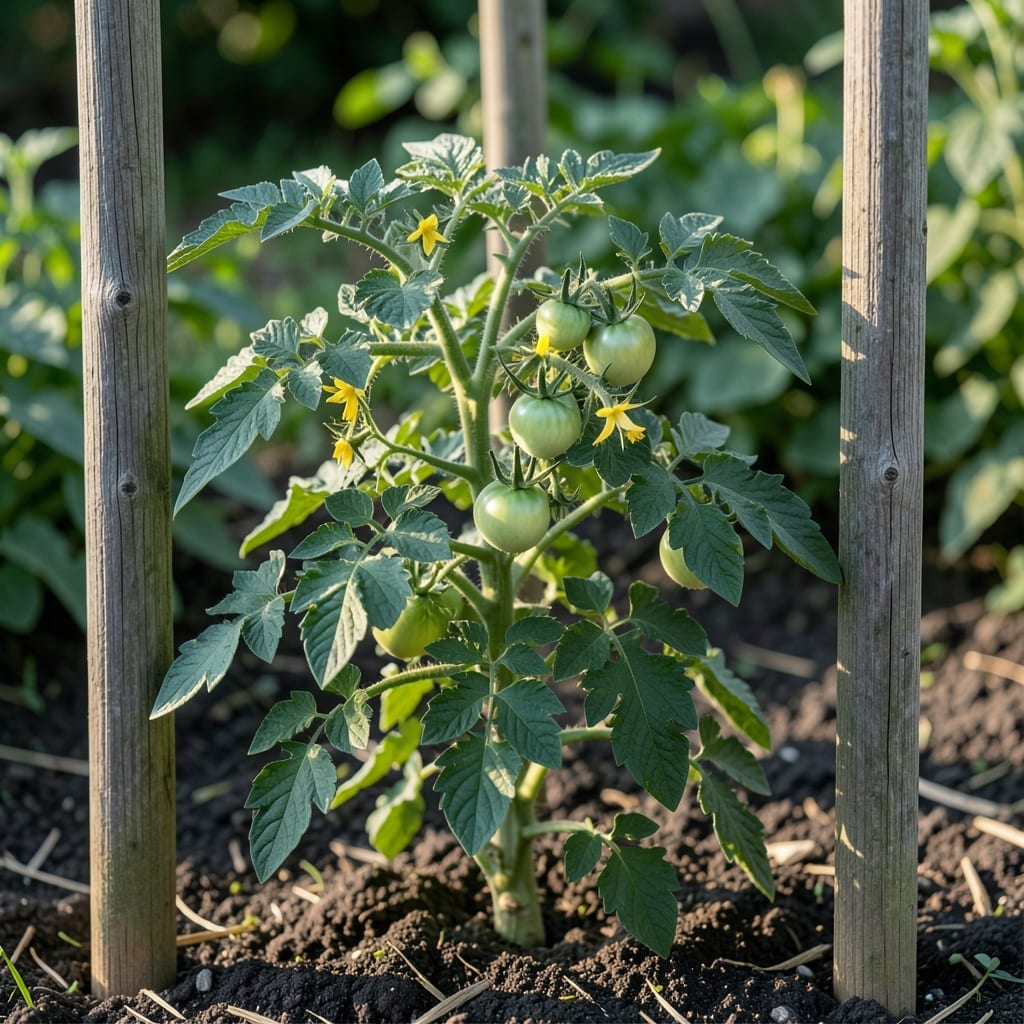
White Beauty tomatoes changed my garden game. These creamy-skinned fruits offer a sweet, citrusy kick that’s hard to find in red varieties.
They thrive in full sun with consistent watering. Start seeds indoors 6-8 weeks before the last frost for the best results. The plants are productive, but watch for common issues like blossom end rot.
📚 In This Guide
This method ensures healthy plants and a bountiful harvest of pristine white tomatoes.
Choose a location with full sun (at least 6-8 hours of direct sunlight daily) and well-draining soil. I test the drainage by digging a 1-foot deep hole and filling it with water—if it drains within 1 hour, the site is suitable. Work the soil to a depth of 12-15 inches, removing rocks, debris, and any weeds that could compete with your plants.
Amend the soil with plenty of organic matter, such as compost or well-rotted manure, to improve fertility and structure. The soil pH should be slightly acidic, between 6.0 and 6.8. A soil test kit can confirm this, but I’ve found that mixing in a handful of crushed eggshells helps maintain the right balance naturally.
If starting from seeds, sow them indoors 6-8 weeks before the last expected frost date. Transplant seedlings outdoors only after the danger of frost has passed and soil temperatures have warmed to at least 60°F. I always harden off my seedlings by gradually exposing them to outdoor conditions over 7-10 days to prevent shock.
Space the plants 18-24 inches apart in rows that are 3 feet apart to allow for proper air circulation, which is critical for preventing fungal diseases. Dig a hole slightly deeper than the root ball, place the seedling in, and backfill with soil. Plant them a little deeper than they were in their containers—this encourages strong root development along the buried stem.
Water the plants deeply immediately after planting, ensuring the soil is moist but not waterlogged. I use a soaker hose or drip irrigation to deliver water directly to the roots while keeping the foliage dry, which helps prevent diseases like early blight. Aim to provide 1-2 inches of water per week, adjusting based on rainfall and soil conditions.
Apply a 2-3 inch layer of organic mulch, such as straw or shredded leaves, around the base of each plant. This conserves moisture, suppresses weeds, and regulates soil temperature. Keep the mulch a few inches away from the stem to avoid rot. You’ll notice the soil stays consistently damp beneath the mulch, even during hot spells.
Install support structures, such as cages, stakes, or trellises, at the time of planting to avoid disturbing the roots later. Tomato White Beauty plants can grow quite tall and benefit from sturdy support to keep the fruit off the ground, reducing the risk of rot and pest damage. I prefer using 5-6 foot tall stakes tied with soft twine for a clean, manageable setup.
Prune the plants by removing suckers—the small shoots that grow in the crotch between the main stem and a branch. This directs energy toward fruit production rather than excessive foliage. Use clean, sharp pruners to make cuts just above a leaf node. Regular pruning also improves air circulation, which is vital for preventing fungal issues in humid conditions.
Fertilize the plants with a balanced, water-soluble fertilizer every 2-3 weeks once they begin to set fruit. I switch to a low-nitrogen, high-phosphorus formula at this stage to promote flowering and fruiting. Follow the package instructions for dosage, but I’ve found that slightly diluting the solution helps prevent fertilizer burn.
Keep an eye out for common pests like aphids, hornworms, and whiteflies. I inspect the plants weekly, paying close attention to the undersides of leaves where pests often hide. If I spot any issues, I address them immediately with insecticidal soap or neem oil, taking care to spray in the early morning or late evening to avoid harming beneficial insects like bees.
Small adjustments in your approach can make a big difference in your harvest.
Sunlight Essentials: The 6-8 hours of daily sunlight isn’t just a suggestion—it’s critical for fruit development. If your garden gets partial shade, position these plants where they’ll get morning sun, as it’s less intense than afternoon rays. I’ve noticed plants in full sun produce fruit that’s sweeter and more abundant.
Soil Prep Insight: When testing drainage as described in Step 1, that 1-hour benchmark is your guide. If water lingers longer, consider raised beds or amending with coarse sand. The 12-15 inch soil depth preparation ensures roots can spread without hitting compacted earth, which I learned the hard way after stunted growth in my first season.
Transplant Timing: The 60°F soil temperature requirement in Step 2 is non-negotiable for these heat-loving plants. Use a soil thermometer—don’t guess. I’ve ruined seedlings by rushing this, thinking warm air meant warm soil. That 7-10 day hardening-off period also prevents the shock that can set plants back weeks.
Support Strategy: Install those 5-6 foot tall stakes at planting, as mentioned in Step 4. Waiting until plants are heavy with fruit risks damaging roots when you add supports later. I tie stems with soft twine every 12 inches as they grow, which keeps them upright without constricting growth.
White spots on Tomato White Beauty are often due to powdery mildew, a fungal disease. Ensure good air circulation, avoid overhead watering, and treat with fungicides if needed.
White Beauty tomatoes typically take 70-80 days from transplanting to harvest. Provide consistent watering and sunlight for optimal growth.
Yes! Use a large container (at least 5 gallons) with well-draining soil. Ensure it gets 6-8 hours of sunlight daily and regular watering.
Yellowing leaves may indicate overwatering, nutrient deficiency, or disease. Check soil moisture, fertilize appropriately, and inspect for pests or fungal issues.
Yes! Try neem oil, baking soda sprays, or copper-based fungicides. Prune affected leaves and improve airflow to prevent fungal growth.