
Beautiful Plants For Your Interior
Beautiful Plants For Your Interior
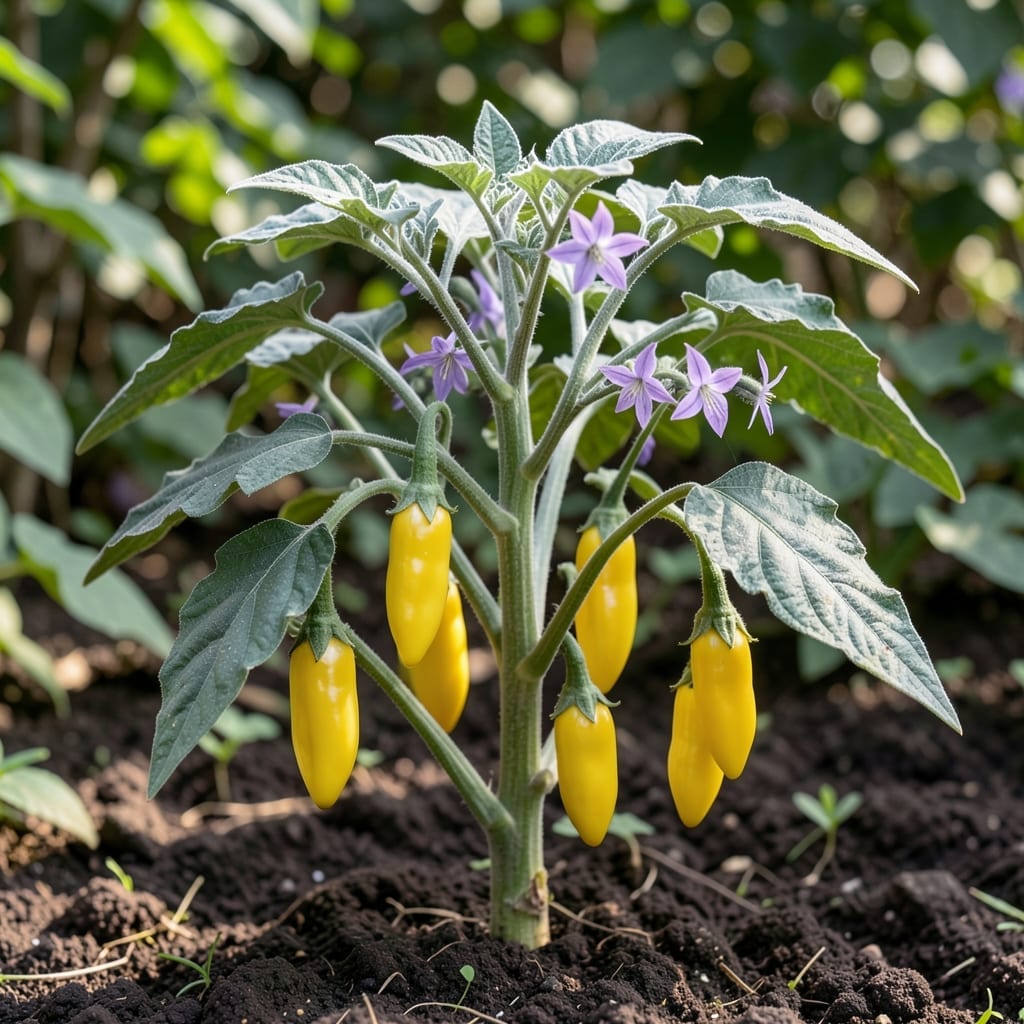
These bright yellow fruits bring a taste of Thailand to your garden. I first grew them after tasting their unique, slightly bitter flavor in a friend’s dish, and was hooked by their productivity and compact size.
They thrive in warm weather with consistent moisture and well-draining soil. You’ll harvest dozens of small, egg-shaped fruits per plant if given full sun and regular feeding. Perfect for containers or garden beds.
📚 In This Guide
Here’s the method I rely on to cultivate these tropical beauties in any suitable climate.
Begin sowing seeds 8-10 weeks before your last frost date since these plants need a long, warm growing season. Use seed trays filled with a sterile seed-starting mix to prevent damping-off disease. Plant seeds ¼ inch deep and keep the soil consistently moist but not waterlogged.
Place the trays in a warm spot—75-85°F is ideal for germination. You’ll see sprouts emerge in 10-14 days if conditions are right. I always use a heat mat to maintain steady warmth, especially in cooler climates.
Once seedlings have their first true leaves, move them to a location with full sun or under grow lights for 14-16 hours daily. Thai yellow eggplants thrive in heat, so wait until nighttime temperatures stay above 55°F before transplanting outdoors.
Hardening off is crucial—start setting seedlings outside for 1-2 hours a day, gradually increasing time over 7-10 days. This prevents shock when moving them to their permanent spot.
Choose a planting site with rich, loose soil amended with compost. Space plants 18-24 inches apart to allow for their bushy growth habit. Dig holes slightly larger than the root ball and plant at the same depth as in the container.
Water thoroughly after transplanting to settle the soil. I always add a 2-3 inch layer of mulch around each plant to retain moisture and suppress weeds—this is especially important for tropical varieties.
Keep the soil evenly moist but not soggy—eggplants hate waterlogged roots. Water at the base of the plant to avoid wetting the leaves, which can lead to disease. During dry spells, you may need to water every 2-3 days.
Feed plants with a balanced fertilizer every 3-4 weeks throughout the growing season. Thai yellow eggplants are heavy feeders, so don’t skip this step. You’ll notice faster growth and better fruit production with regular feeding.
Thai yellow eggplants are ready to harvest when they reach 1-2 inches in diameter and have a glossy, bright yellow skin. Use a sharp knife or pruners to cut the fruit from the plant, leaving a short piece of stem attached.
Check plants every 2-3 days during peak production—these eggplants mature quickly and can become bitter if left too long. Regular harvesting also encourages the plant to produce more fruit throughout the season.
These practical insights will help you avoid common pitfalls when growing this tropical variety.
Temperature Matters: Thai yellow eggplant seeds germinate most reliably at 75-85°F. I learned the hard way that below this range, germination slows dramatically or fails entirely. A seedling heat mat is a worthwhile investment if your home runs cooler than this.
Light Requirements: The 14-16 hours of light daily mentioned in Step 2 isn’t optional. Without sufficient light, seedlings become leggy and weak. I rotate my pots daily to prevent them from leaning toward the light source, which can create uneven growth.
Hardening Off Wisdom: Don’t rush the 10-14 day hardening off period in Step 3. I tried skipping ahead once and lost half my seedlings to transplant shock. The gradual increase of 1 hour daily starting with 1-2 hours the first day really does make all the difference.
Watering Technique: In Step 4, the instruction to water deeply 2-3 times per week works best when you water at soil level, not from above. I use a watering can with a long spout to direct water to the roots, which prevents fungal issues on the leaves.
Yes! Thai yellow eggplant thrives in containers (at least 5 gallons) with well-draining soil and full sun. Ensure consistent watering and support for the vines.
Typically 60–90 days from transplanting. Warm climates speed up growth, while cooler temps may delay fruiting. Harvest when fruits are small and firm.
Watch for flea beetles, aphids, and powdery mildew. Use organic sprays or neem oil, and avoid overhead watering to prevent fungal issues.
Absolutely! Use it like other eggplants, but its sweeter, less bitter flavor works best in curries or stir-fries. Smaller size means quicker cooking.
Lack of pollination, insufficient sunlight, or nutrient deficiencies may be the cause. Hand-pollinate flowers and ensure 6–8 hours of sun daily.