
Beautiful Plants For Your Interior
Beautiful Plants For Your Interior
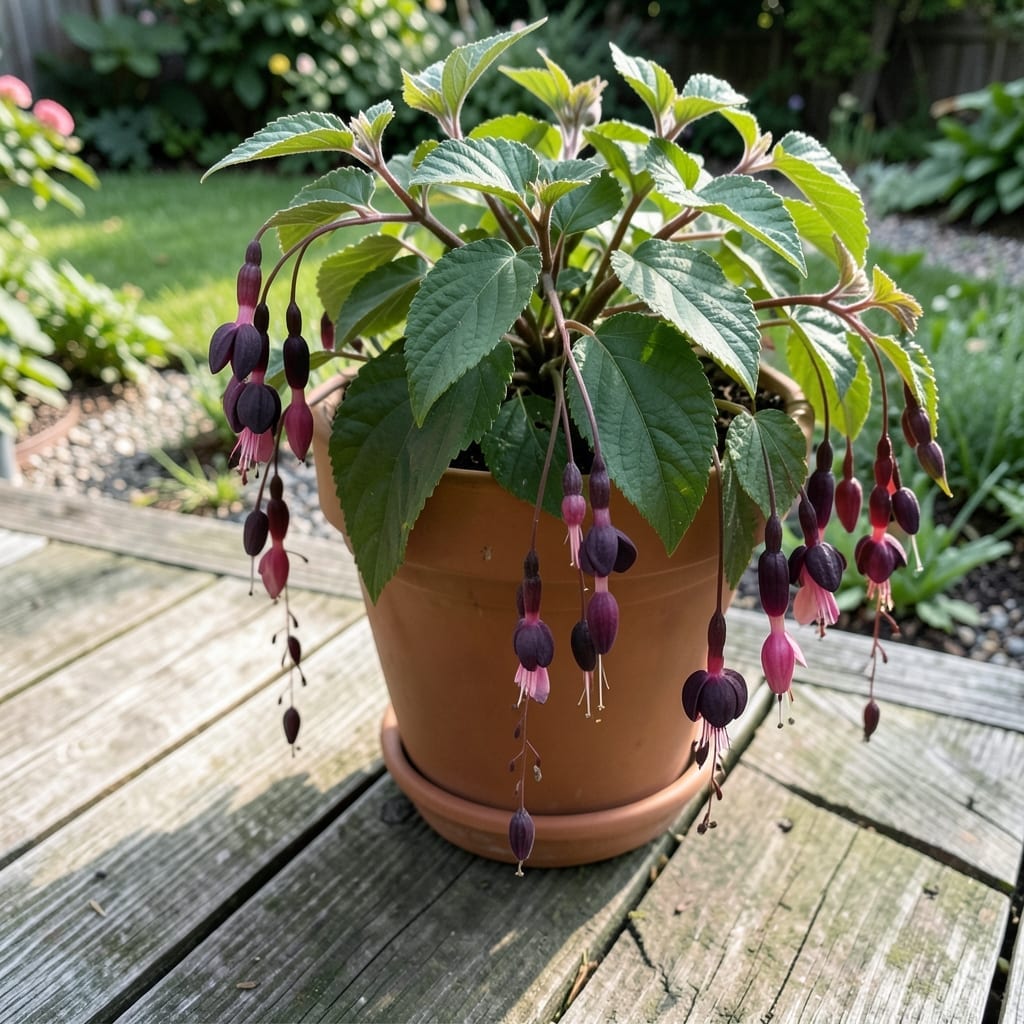
Trailing Fuchsia Voodoo transforms any space with its vibrant, cascading blooms. I first tried this variety three seasons ago and was stunned by how quickly it filled my hanging baskets with bold color.
It thrives in partial shade with consistent moisture and well-draining soil. The key is regular feeding during active growth, which keeps those lush flowers coming all season long. Even my black thumb couldn’t mess this one up.
📚 In This Guide
Here’s my reliable method for achieving vibrant, cascading displays that thrive all season long.
Select a spot with partial shade to filtered sunlight, as trailing fuchsia voodoo prefers protection from harsh afternoon rays. I always test the area by checking light intensity at noon—if the shadow is soft but defined, it’s perfect.
Amend the soil with compost to improve drainage and fertility. Fuchsias hate soggy roots, so ensure the bed or container has loose, well-draining soil. Dig in 2-3 inches of organic matter for best results.
Dig a hole twice as wide as the root ball and just as deep. Gently remove the plant from its container, loosen the roots if they’re bound, and place it in the hole. Space plants 12-18 inches apart to allow for their trailing growth habit.
Backfill with soil, pressing lightly to eliminate air pockets. Water thoroughly to settle the soil around the roots. I always check that the base of the stem sits just above soil level to prevent rot.
Keep the soil evenly moist but not waterlogged. Fuchsias need consistent moisture, especially during hot, dry spells. I water deeply when the top inch of soil feels dry, then let excess drain away completely.
Avoid wetting the foliage to prevent fungal issues. A drip irrigation system or watering at the base works best. Mulch with 1-2 inches of organic material to retain moisture and suppress weeds.
Apply a balanced liquid fertilizer every 2-3 weeks during the growing season to encourage lush foliage and abundant flowers. I dilute the fertilizer to half strength to avoid burning the roots.
Watch for signs of nutrient deficiency, like yellowing leaves, which might indicate a need for more frequent feeding. Trailing fuchsia voodoo responds well to regular, light applications rather than heavy, infrequent doses.
Pinch back the tips of new growth regularly to encourage branching and a fuller, bushier plant. This also promotes more flower production, giving you that stunning cascading effect.
For hanging baskets, let the stems trail naturally, but guide them gently to create even coverage. Remove spent blooms to keep the plant looking tidy and to encourage continuous flowering throughout the season.
Small adjustments in care can transform your cascading displays from good to spectacular.
Location Insight: Confession: I struggled with leggy plants until I realized that partial shade to filtered sunlight is non-negotiable for trailing fuchsia voodoo. That noon shadow test mentioned in Step 1 is your best friend—soft but defined means you’ve nailed the light exposure.
Planting Precision: In Step 2, the 12-18 inch spacing isn’t arbitrary. Plant too close and you’ll get tangled stems with poor air circulation. I learned the hard way that giving each plant its own space allows those gorgeous trailing vines to develop properly without competing for light or nutrients.
Watering Technique: The top inch soil check from Step 3 is more reliable than any schedule. I water deeply only when that top layer feels dry, then let it drain completely. This prevents both underwatering and the root rot that comes from soggy soil—fuchsias are drama queens about waterlogged roots.
Fertilizer Strategy: That 2-3 week feeding schedule in Step 4 works perfectly when you use half-strength fertilizer. Heavy doses can burn roots, while light, regular applications keep your plants blooming continuously. Watch for yellowing leaves—they’re your plant’s way of saying it needs more frequent feeding.
Keep plants spaced for airflow, avoid overhead watering, and remove infected foliage immediately. Use clean tools and well-draining soil to minimize fungal growth.
Look for wilting, blackened stems, or yellowing leaves. Stunted growth and leaf drop are also common. Act quickly to prune affected areas and treat with fungicide.
Yes, this fungal disease can spread via water, tools, or air. Isolate infected plants and disinfect tools to prevent contamination. Avoid planting fuchsias in the same spot yearly.
Remove infected parts and apply a copper-based fungicide. Improve drainage and reduce humidity. For severe cases, discard the plant to protect others.