
Beautiful Plants For Your Interior
Beautiful Plants For Your Interior
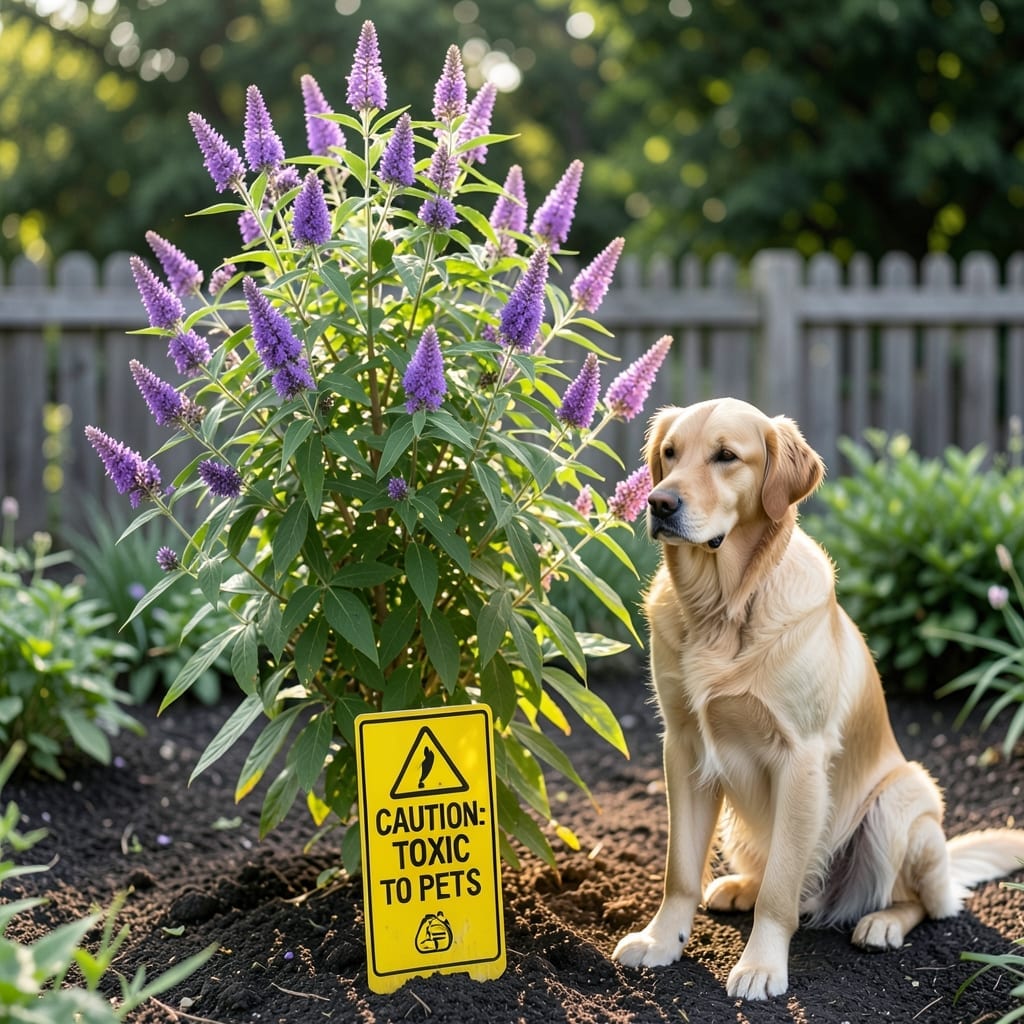
Butterfly bushes are not considered highly toxic to dogs, but they may cause mild gastrointestinal upset like vomiting or diarrhea if ingested in large quantities.
I’ve seen this plant cause issues when dogs chew large amounts of leaves or flowers. The compounds in Buddleia can irritate their digestive systems, though severe poisoning is rare. 💫 In my experience, most cases resolve quickly with supportive care, but it’s always smart to monitor your pup and call your vet if symptoms persist or worsen.
💡 In This Article
The primary culprits behind reactions are iridoid glycosides and saponins found in Buddleia plants. These natural compounds, concentrated in leaves and flowers, can irritate a dog’s digestive tract when ingested in significant amounts. While not as toxic as some garden plants, they trigger inflammation in the stomach and intestines, leading to discomfort.
Symptoms typically appear within 2-6 hours of ingestion. Mild cases show as drooling, loss of appetite, or lethargy. More noticeable signs include vomiting, diarrhea, or abdominal pain. In rare instances with very large consumption (10%+ of body weight in plant material), dogs may experience dehydration or weakness. ✨
Severity depends on your dog’s size and how much they ate. A 50-pound Labrador might just get an upset stomach from a few leaves, while a 5-pound Chihuahua could show stronger symptoms from the same amount.
The plant’s bitterness usually deters most dogs from eating dangerous quantities, but curious pups or those prone to chewing plants may ingest more.
Contact your vet if symptoms last beyond 24 hours or if you notice blood in vomit or stool. Bring a sample of the plant if possible—this helps with quick identification. Most cases resolve with supportive care like fluid therapy or anti-nausea medication. 🔥
Prevention is simple: limit access to butterfly bushes or train your dog to avoid them. Consider creating a designated digging area with safe plants to redirect their curiosity. Regular supervision in the garden helps catch any problematic chewing early.
Rinse their mouth with water and monitor for 2-6 hours. If vomiting or diarrhea occurs, offer small amounts of water to prevent dehydration. Call your vet if symptoms persist beyond 24 hours or worsen.
Leaves and flowers contain the highest concentration of irritants like iridoid glycosides. Stems have lower levels but can still cause mild upset. The bitterness usually deters dogs from eating large quantities.
Create a physical barrier with fencing or use bitter apple spray as a deterrent. Train your dog with the “leave it” command. Supervise garden time until you’re confident they’ll avoid the plants.
Try sunflowers, zinnia, or marigold. These non-toxic options attract pollinators without risk. Always verify with the ASPCA’s plant list before introducing new species.