
Beautiful Plants For Your Interior
Beautiful Plants For Your Interior
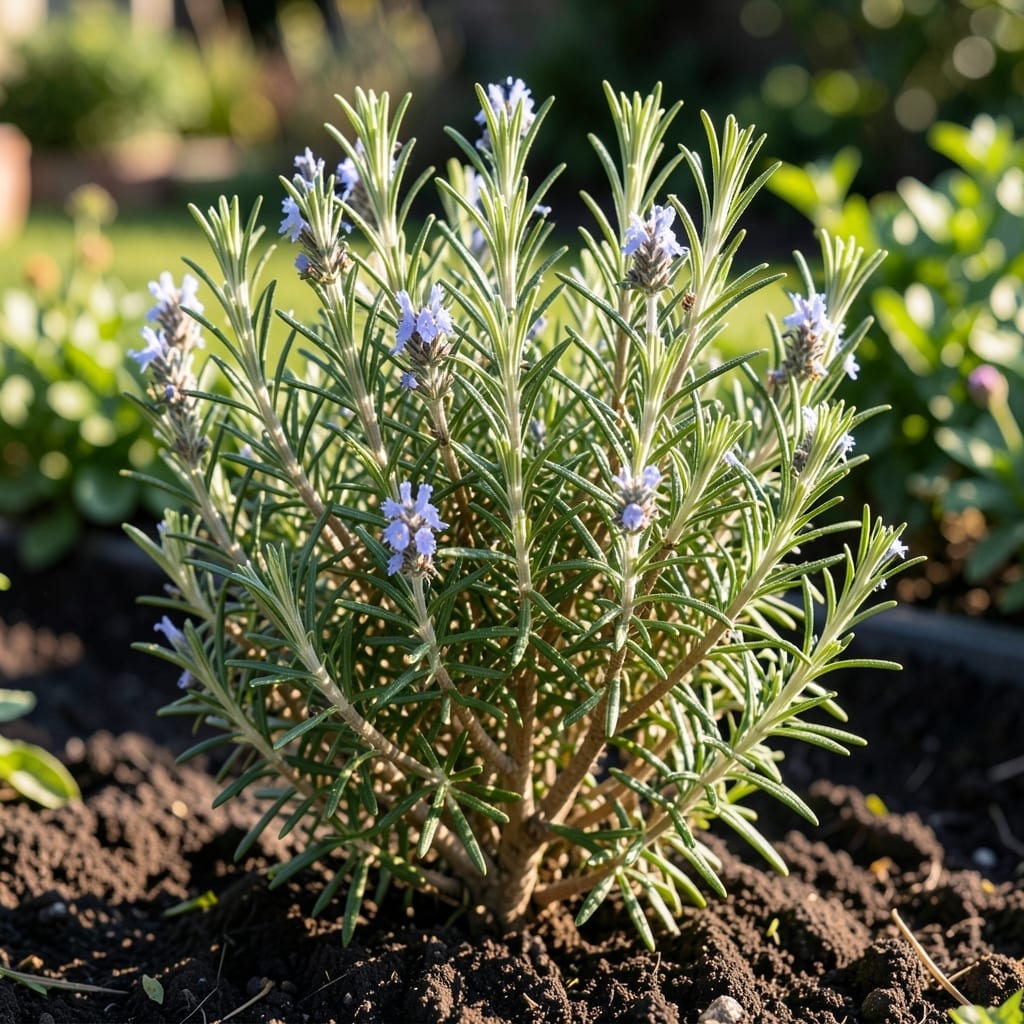
Rosemary thrives in sunny Mediterranean climates, but does it truly need full sun to flourish in your garden? I’ve seen healthy 🌿 Rosemary plants in various conditions, yet the best growth always ties back to light.
Understanding its sunlight needs can transform your shrub from struggling to vibrant. Whether you’re planting in Zone 6a or elsewhere, light plays a crucial role in its aroma and resilience.
I’ll break down the ideal conditions, signs of insufficient light, and how to adapt if your space isn’t perfect. You’ll discover practical tips to ensure your Rosemary gets just what it needs.
Let’s explore how to give this hardy herb the best start, no matter where you’re growing it. The right light makes all the difference.

If you’ve ever wondered do rosemary plants need full sun, the answer is a resounding yes for best results. Native to the Mediterranean, rosemary thrives with 6+ hours of direct sunlight daily, mimicking its natural habitat.
This sun-loving herb performs best in USDA zones 6-10, where it can soak up abundant light. In cooler climates, aim for the sunnest spot in your garden to ensure vigorous growth and maximum aromatic oils in the leaves.
| Requirement | Specification |
|---|---|
| Ideal Light | Full sun |
| Daily Minimum | 6 hours |
| Light Type | Direct sunlight |
| Best Window | South-facing |
In my experience, rosemary plants grown in full sun develop stronger stems and more fragrant foliage. The abundant light helps the plant produce those essential oils that give rosemary its characteristic scent and flavor.
For gardeners in hotter climates, some afternoon shade can prevent leaf scorch, but don’t reduce the light too much. Even in zone 11, I’ve seen rosemary struggle in deep shade, producing sparse growth and weak stems.
If you’re growing rosemary in containers, place them where they’ll get maximum sun exposure. A south-facing balcony or patio works perfectly.
The best time to plant rosemary is in spring after the last frost, giving it the entire growing season to establish in the sun. In my garden, April plantings have always outperformed those started later in the season.
For indoor rosemary, a south-facing window is ideal, but you may need to supplement with grow lights during shorter days. I’ve found that 12-14 hours of artificial light can compensate for weak winter sun.
Watch for signs of too little light, like elongated stems or pale leaves. These are your plant’s way of saying it needs more sun. In such cases, gradually move it to a sunnier spot to avoid shocking the plant.
Remember, while rosemary is drought-tolerant, it’s not shade-tolerant. Prioritize sunlight over water if you have to choose between the two in your garden’s conditions.
With the right amount of sun, your rosemary will reward you with lush growth, abundant harvests, and that unmistakable Mediterranean aroma that makes it a garden favorite ☀️
While rosemary plants prefer full sun, they can tolerate partial shade in some cases. I’ve successfully grown rosemary in spots with 4-6 hours of sunlight, though the growth was less vigorous than in full sun.
For indoor rosemary, a south-facing window is ideal, but east or west windows can work if they receive ample light. I recommend supplementing with grow lights for 12-14 hours daily to mimic natural conditions.
Certain rosemary varieties like ‘Prostratus’ or ‘Blue Spires’ may handle partial shade better than others. However, even these perform best with as much sun as possible.
If you’re growing rosemary indoors, ensure it gets maximum light exposure. I’ve found that rotating the pot weekly helps the plant grow evenly. Keep an eye out for pale leaves or stunted growth, which signal insufficient light.
In cooler climates, container-grown rosemary can be moved outdoors in summer and back inside during winter. This gives it the best of both worlds: full sun when available and protection from harsh conditions.
Remember, even shade-tolerant rosemary will thrive best with 6+ hours of direct sunlight. If your space is limited, consider using reflective surfaces to maximize light exposure for your plants 🌿