
Beautiful Plants For Your Interior
Beautiful Plants For Your Interior
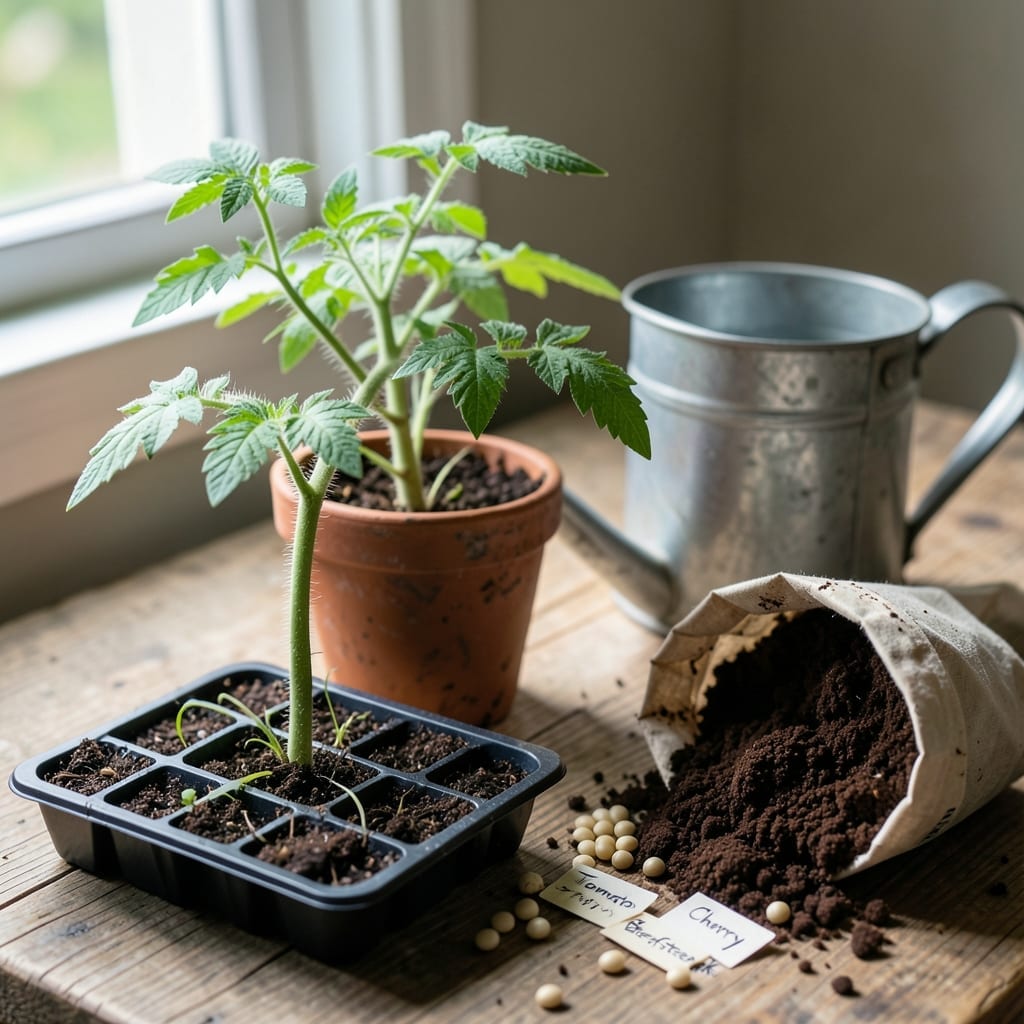
Timing is everything when starting 🍅 Tomato seeds indoors in Zone 7—plant too early and you’ll have leggy seedlings, too late and you’ll miss the growing season.
This guide reveals the exact window to start your tomatoes for robust, transplant-ready plants. Whether you’re a beginner or seasoned gardener, nailing this timing makes all the difference.
I’ll walk you through the most important considerations, from frost dates to seedling care, so you can grow strong Tomato plants ready for spring transplanting.
In USDA Zone 7, the last frost typically hits around April 15. For strong tomato seedlings, you’ll want to start seeds 6-8 weeks before this date, putting you in mid-February.
This timing accounts for 7-14 days of germination and 6-8 weeks of seedling growth before transplanting. Early varieties may need slightly less time, while late varieties benefit from the full window.
| Stage | Timing for Zone 7 | Notes |
|---|---|---|
| Start Seeds Indoors | Mid-February | 6-8 weeks before last frost |
| Germination | 7-14 days | Keep soil warm (70-80°F) |
| Seedling Growth | 6-8 weeks | Provide 14-16 hours of light |
| Transplant Outdoors | Mid-April to Early May | After last frost date |
I always mark my calendar for February 15 as my starting point in Zone 7. This gives me a buffer for slower germinating seeds or unexpected late frosts that might linger into early April.
For early tomato varieties like ‘Early Girl‘ or ‘Stupice’, you can push the start date to late February. These mature faster, so they don’t need as much indoor time before transplanting.
Mid-season varieties such as ‘Celebrity’ or ‘Roma’ do best with a mid-February start. This ensures they’ve developed strong root systems by transplant time.
Late-season tomatoes, like ‘Brandywine’ or ‘Beefsteak’, benefit from starting in early February. Their longer days to maturity require the extra head start indoors.
Remember, these are guidelines. I always check the 10-day forecast before transplanting. If a late frost threatens, I keep my seedlings indoors a bit longer rather than risking cold damage.
Zone 7’s 180 frost-free days give you flexibility. Starting seeds indoors lets you extend the growing season significantly, especially for those 90-day varieties that need every bit of warmth they can get.
If you’re new to seed starting, I recommend beginning with mid-season varieties. They’re more forgiving if your timing isn’t perfect, and you’ll still get a great harvest in Zone 7’s long growing season. 🌱
Starting tomato seeds indoors in Zone 7 requires careful attention to light, temperature, and moisture. I always begin by selecting clean containers with drainage holes to prevent waterlogging.
Use a well-draining seed starting mix—never regular garden soil. Plant seeds ¼ inch deep and mist lightly with water. Cover trays with plastic wrap to retain humidity until sprouts appear.
I place my seed trays on a heat mat to maintain consistent warmth. Once seeds sprout, I move them under grow lights or to a sunny south-facing window. Leggy seedlings often result from insufficient light.
Keep soil evenly moist but not soggy. I use a spray bottle to water gently, preventing seeds from washing away. Overwatering is a common mistake that leads to damping off, a fungal disease.
When seedlings develop their first true leaves, I begin fertilizing with a diluted liquid fertilizer. This gives them the nutrients needed for strong growth before transplanting outdoors.
About 2 weeks before transplanting, I start hardening off my seedlings. This means gradually exposing them to outdoor conditions for increasing periods each day. It’s crucial for preventing transplant shock.
Remember, Zone 7’s variable spring weather can be tricky. I always keep an eye on the forecast and protect my seedlings from unexpected cold snaps. Proper care indoors sets the stage for a bountiful harvest later in the season. 🌱