
Beautiful Plants For Your Interior
Beautiful Plants For Your Interior
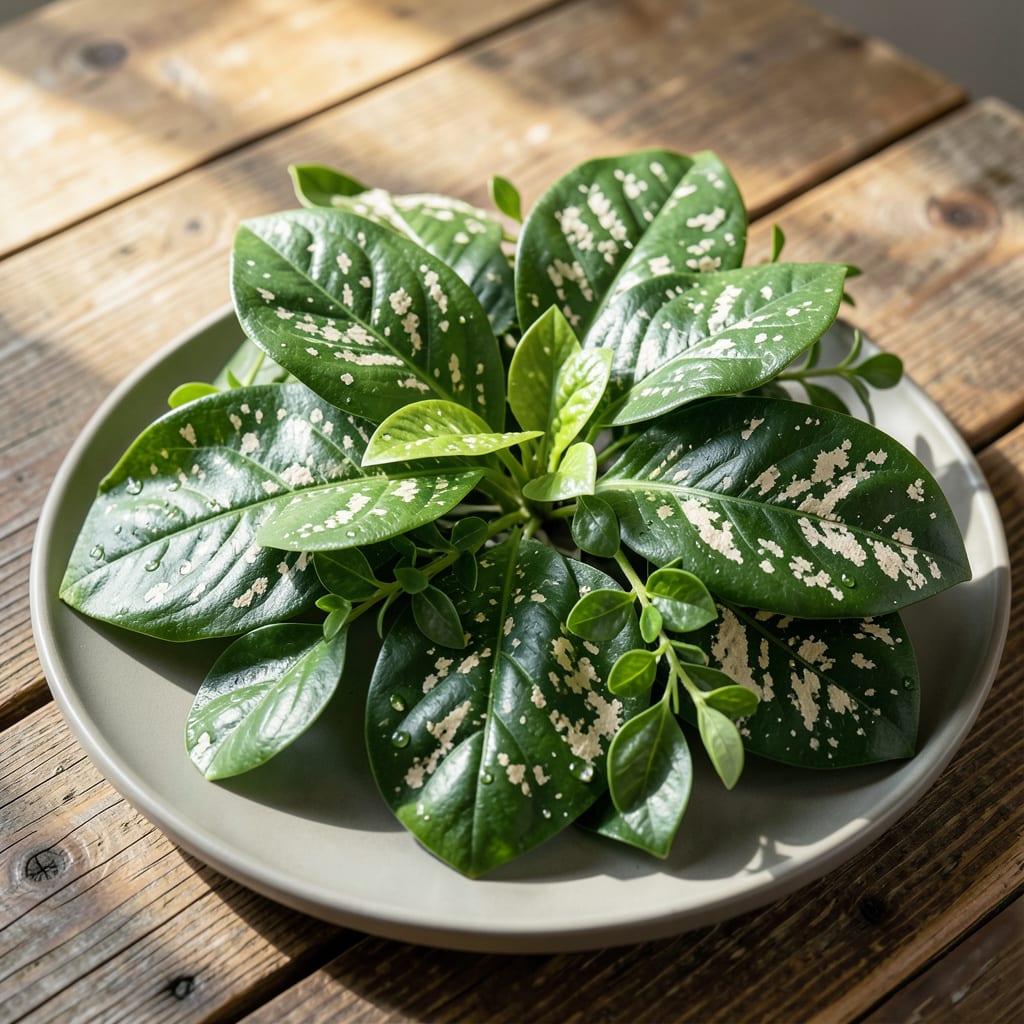
White spots on leaves always catch me off guard, even after years of gardening. These blemishes appear overnight, spreading fast if ignored—powdery mildew, spider mites, or fungal invaders could be the culprit.
I learned the hard way that early action prevents a full-blown crisis. A close look at the pattern, texture, and location of the spots tells you exactly what you’re dealing with.
Organic solutions like neem oil, baking soda sprays, or improved airflow often fix the issue without harsh chemicals. Most plants bounce back within 1-2 weeks of treatment.
Regular leaf checks and proper spacing between plants stop these spots from ever appearing. Here’s how to spot, treat, and prevent them for good.
White spots on plant leaves can signal several underlying issues, each with distinct triggers. Here’s why it happens:
Fungi like Powdery Mildew or Downy Mildew thrive in humid, poorly ventilated conditions. They form white, powdery, or downy patches as spores spread across the leaf surface. Overcrowding plants or overhead watering often accelerates this.
Sap-sucking pests such as mealybugs, spider mites, or whiteflies leave behind white residues or eggs. Mealybugs, for instance, produce cottony white clusters, while spider mites create stippled, pale spots as they drain plant cells.
Hard water or foliar sprays with high mineral content (e.g., calcium, magnesium) can leave chalky white deposits when water evaporates. This is common in tap water or improperly mixed fertilizers.
Intense sunlight can bleach leaf tissue, creating white or yellow patches. Conversely, edema—caused by rapid water uptake in humid, low-light conditions—can form blister-like spots that turn white as they dry.
Pesticides, herbicides, or even strong organic sprays (like neem oil in high concentrations) may cause localized burns, appearing as white or necrotic spots. Always test sprays on a small area first.
Identifying the exact cause is key to choosing the right remedy. Inspect the pattern, texture, and location of the spots to narrow it down.
Here’s how to tackle white spots on leaves based on the cause, with practical fixes and prevention tips to keep your plants healthy.
Fix: Remove infected leaves immediately to stop the spread. Apply a copper-based fungicide or a homemade solution of 1 tsp baking soda + 1 quart water + a few drops of dish soap. Spray evenly on both sides of the leaves, focusing on affected areas. Repeat every 7–10 days until the spots disappear.
Prevention: Improve air circulation around plants, avoid overhead watering, and water early in the day so foliage dries quickly. 💡 Pro tip: Space plants properly to reduce humidity buildup.
Fix: Wipe leaves with a cotton swab dipped in rubbing alcohol to remove pests like mealybugs or spider mites. For larger infestations, use neem oil or insecticidal soap, applying every 3–5 days until pests are gone.
Prevention: Inspect new plants before bringing them home, and isolate affected plants to prevent spreading. ✨ Regularly dust leaves to deter pests.
Fix: Move the plant to a spot with indirect sunlight or provide shade cloth during peak hours. Trim severely damaged leaves to redirect energy to healthier growth.
Prevention: Acclimate indoor plants gradually to outdoor conditions. 🌡️ Keep an eye on temperature fluctuations, especially in greenhouses.
Fix: Gently wipe leaves with a damp cloth to remove mineral buildup from hard water or foliar sprays. For stubborn deposits, use a mild vinegar solution (1 part vinegar to 3 parts water).
Prevention: Use filtered or distilled water for misting, and avoid over-fertilizing. 🎯 Rinse leaves occasionally to prevent buildup.
Yes, fungal infections and pests can quickly spread between plants. Isolate affected plants immediately and treat with neem oil or fungicide. Always use clean tools to prevent cross-contamination.
Powdery mildew appears as a white, powdery coating on leaf surfaces. Pests like mealybugs leave cottony clusters, while spider mites create stippled patterns. Use a magnifying glass for closer inspection.
Damaged leaves won’t fully recover, but removing them helps the plant focus energy on healthy growth. New leaves should emerge spot-free within 1-2 weeks of proper treatment.
Yes, solutions like baking soda spray or vinegar are safe when used correctly. Always test on a small area first and avoid applying in direct sunlight to prevent leaf burn.
