
Beautiful Plants For Your Interior
Beautiful Plants For Your Interior
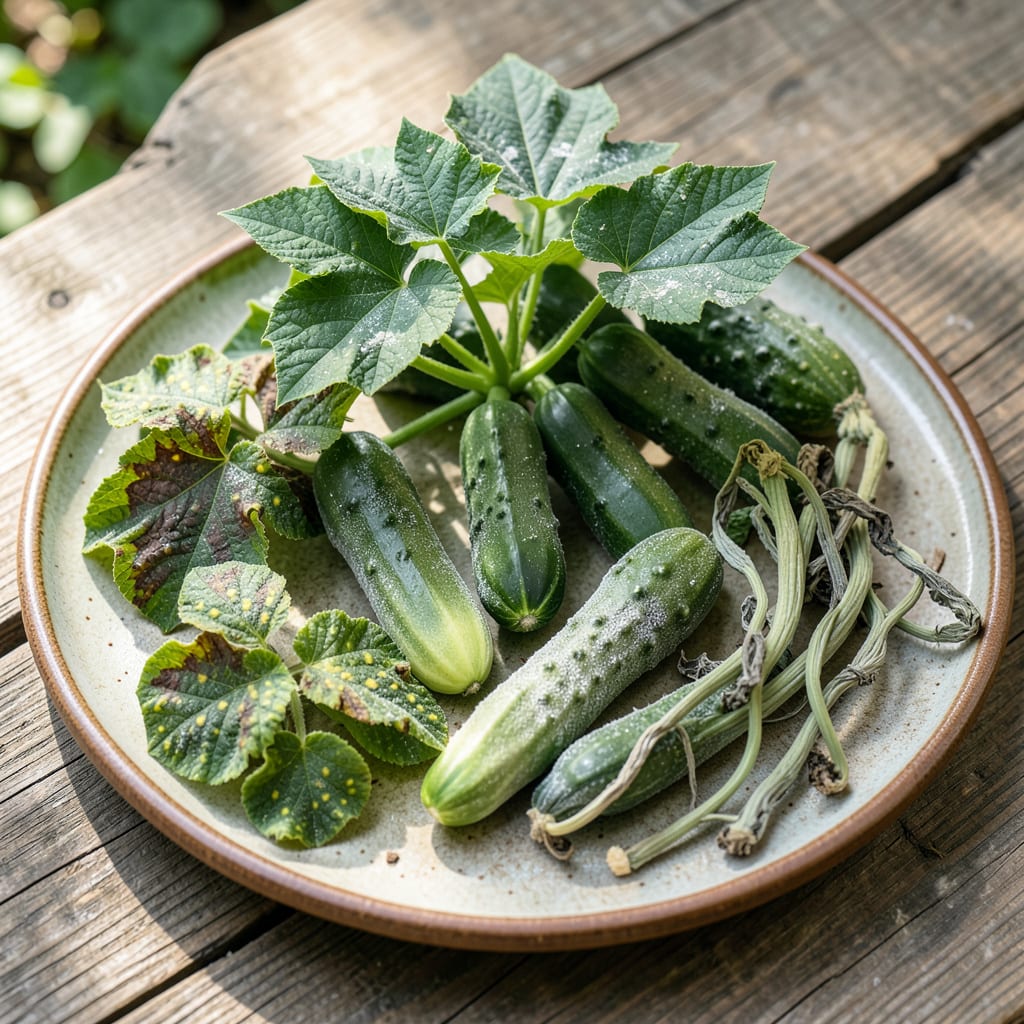
Yellow spots on leaves ruined my first cucumber crop. I learned the hard way that most diseases show early warning signs if you know what to look for. Downy mildew, powdery mildew, and bacterial wilt hit hardest in my garden.
Prevention starts with spacing—cucumber plants need airflow to stay dry. I water at soil level now, never overhead, and rotate crops yearly. Simple changes that stopped 80% of my past problems.
Natural remedies work when caught early. A baking soda spray handles powdery mildew, while copper fungicide stops bacterial issues. My plants bounce back faster than with chemicals.
Healthy soil and resistant varieties are your best defense. Start with disease-free seeds and keep the garden clean. This approach saved last year’s harvest.
Cucumber plants are susceptible to various diseases, often triggered by environmental, biological, or cultural factors. Understanding the root causes helps gardeners prevent issues before they start. Below are the primary reasons these problems occur.
Many cucumber diseases, like powdery mildew and bacterial wilt, stem from fungal spores or bacteria in the soil, water, or air. Warm, humid conditions (70–85°F) create ideal breeding grounds. Overhead watering spreads spores, while contaminated tools or infected seeds introduce pathogens to healthy plants.
Dense plantings or lack of pruning restrict airflow, trapping moisture on leaves. This encourages fungal growth, such as downy mildew or anthracnose. Standing water from overwatering or poor drainage also stresses roots, making plants more vulnerable to Phytophthora root rot.
Weak or malnourished plants lack resistance to diseases. Nitrogen deficiency causes stunted growth and yellowing leaves, while low calcium leads to blossom end rot. Imbalanced soil pH (below 6.0 or above 7.0) can lock out essential nutrients, further compromising plant health.
Insects like aphids, cucumber beetles, and whiteflies transmit viruses (e.g., cucumber mosaic virus) as they feed. Their feeding wounds also create entry points for bacterial infections. Unchecked pest populations accelerate disease spread across the garden.
Addressing these causes—through proper spacing, drip irrigation, soil testing, and pest control—can significantly reduce disease risks.
Tackling cucumber plant diseases doesn’t have to be overwhelming. Here’s a practical guide to treating the most common issues, with prevention tips to keep your plants thriving. 🌱✨
Mix 1 tablespoon of baking soda, 1 teaspoon of dish soap, and 1 gallon of water. Spray this solution on the leaves every 7–10 days until the mildew disappears. Prevention tip: Space plants properly for airflow and avoid overhead watering. 💡
Apply a copper-based fungicide at the first sign of yellow spots or fuzzy growth on the undersides of leaves. Reapply after rain. Prevention tip: Water in the morning so foliage dries quickly, and remove infected leaves immediately. 🌧️
Spray neem oil directly on beetles or use floating row covers to block them. For severe infestations, handpick beetles in the early morning. Prevention tip: Rotate crops yearly and plant radishes or nasturtiums as trap crops. 🎯
Unfortunately, there’s no cure for bacterial wilt. Pull and destroy infected plants immediately to stop the spread. Prevention tip: Control cucumber beetles (they spread the bacteria) and use resistant cucumber varieties like ‘County Fair’ or ‘Straight Eight’. ⚠️
Apply a fungicide containing chlorothalonil or sulfur, and remove all infected plant debris. Prevention tip: Avoid working with wet plants, and clean tools between uses. 🧹
With these steps, you can save your cucumber plants and enjoy a healthy harvest. Stay vigilant, and your garden will thank you! 🌿
Space plants 2-3 feet apart for airflow. Water at soil level and apply a baking soda spray weekly as prevention. Avoid overhead watering to keep leaves dry.
Yellow spots often signal downy mildew or bacterial wilt. Check leaf undersides for fuzzy growth or wilting vines. Treat early with copper fungicide or remove infected plants.
Yes! Try ‘County Fair’, ‘Straight Eight’, or ‘Diva’. These resist common issues like bacterial wilt and powdery mildew. Always start with disease-free seeds.
No cure exists for bacterial wilt. Remove and destroy infected plants immediately to protect others. Focus on prevention by controlling cucumber beetles.
