
Beautiful Plants For Your Interior
Beautiful Plants For Your Interior
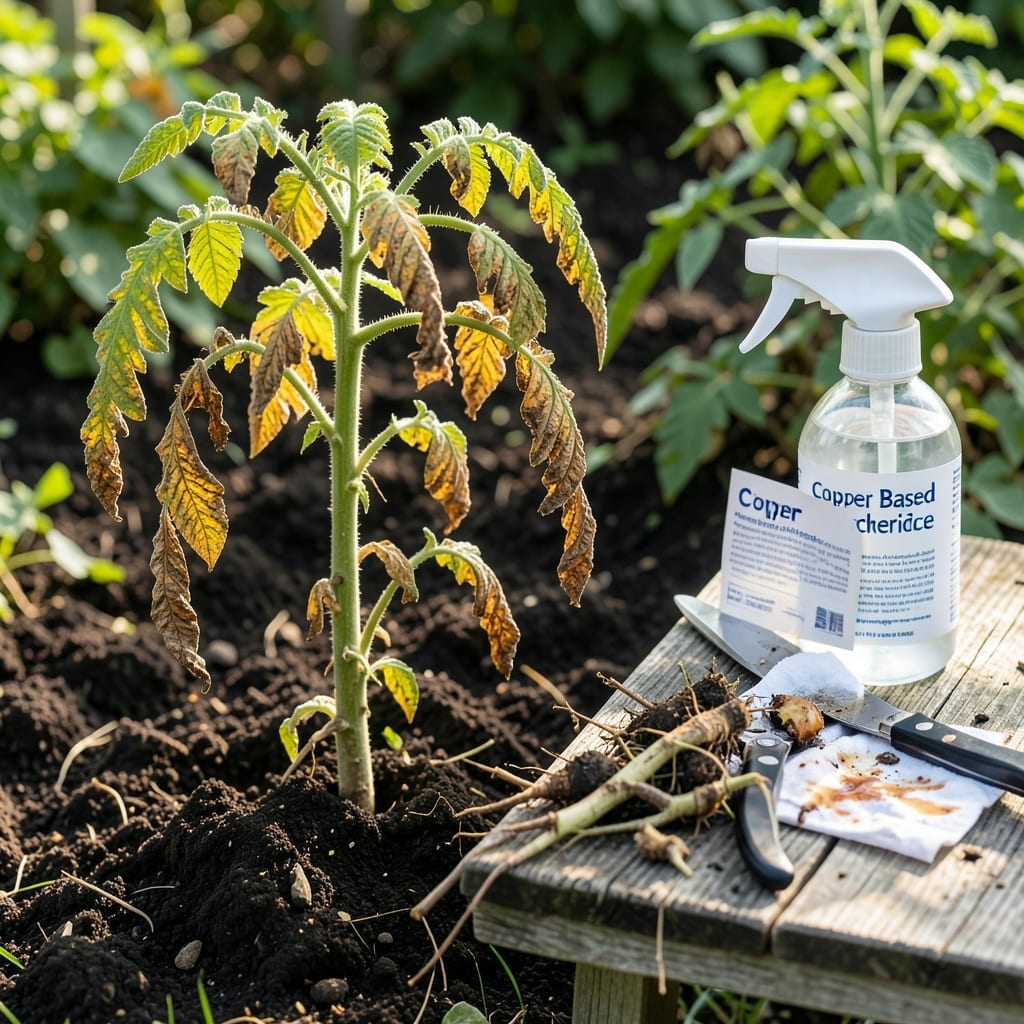
Bacterial wilt turns healthy plants into drooping casualties overnight. I’ve lost entire tomato crops to this silent killer, and the worst part is how it spreads unseen through soil and water.
The first sign is always wilting leaves that don’t recover, even with water. It’s not drought—it’s bacteria clogging the plant’s veins. Cucumbers, tomatoes, and peppers are the usual victims, but it can hit any soft-stemmed plant in warm, wet conditions.
Organic treatments exist, but prevention is your best defense. Crop rotation, resistant varieties, and clean tools stop it before it starts. Once it’s in your soil, you’re fighting an uphill battle.
Here’s the thing—early action saves plants. Remove infected ones immediately and treat the soil. I’ll show you how to do both effectively.
Bacterial wilt is a devastating plant disease caused by soil-borne pathogens that disrupt a plant’s vascular system. Understanding the root causes helps gardeners and farmers prevent outbreaks and protect crops. Below are the primary triggers behind this condition.
The most common culprit is Ralstonia solanacearum, a bacterium that thrives in warm, moist soils. It enters plant roots through wounds or natural openings, then multiplies rapidly, clogging the xylem—the tissue responsible for water transport. This leads to wilting, yellowing, and eventual plant death.
Infected seeds, seedlings, or tools can introduce the bacteria to healthy soil. Using unsterilized pruning shears or transplanting infected plants spreads the pathogen quickly. Always source certified disease-free seeds and sanitize tools with a 10% bleach solution or rubbing alcohol.
Waterlogged soil creates the perfect breeding ground for bacterial wilt. Excess moisture weakens plant defenses and allows bacteria to move freely through the soil. Ensure proper drainage by amending clay-heavy soils with organic matter and avoiding over-irrigation.
Bacterial wilt flourishes in temperatures between 75–90°F (24–32°C) with high humidity. These conditions accelerate bacterial growth and spread. In warm climates, rotate crops and avoid planting susceptible species like tomatoes, potatoes, or peppers in the same spot yearly.
Bacterial wilt can be stubborn, but these targeted solutions help stop its spread and restore plant health. Act fast to save your garden!
Remove and replace the top 6–12 inches of soil in affected areas to eliminate lingering bacteria. For a chemical-free fix, solarize the soil: cover the bed with clear plastic for 4–6 weeks during hot weather. The heat kills pathogens naturally. Prevention tip 💡: Rotate crops yearly to avoid buildup.
Clean pruners, shovels, and stakes with a 10% bleach solution or rubbing alcohol after each use. This prevents transferring bacteria to healthy plants. Prevention tip ✨: Keep a spray bottle of disinfectant handy in your garden toolkit.
Pull up and burn or trash infected plants—do not compost them, as the bacteria can survive. Disinfect the area afterward. Prevention tip 🎯: Inspect plants regularly for wilting, yellowing, or oozing stems to catch issues early.
Switch to drip irrigation to water at the soil level, reducing bacterial spread via splashing. Avoid overhead watering, especially in the evening. Prevention tip 🌡️: Water in the morning so foliage dries quickly in sunlight.
Strengthen plants with copper-based sprays (approved for organic use) or neem oil to inhibit bacterial growth. Apply as a preventive every 2–3 weeks during the growing season. Prevention tip 💪: Plant disease-resistant varieties when available.
No, the bacteria can survive for years in soil. Remove and replace the top 6–12 inches of affected soil, or solarize it under clear plastic for 4–6 weeks in hot weather to kill pathogens.
Yes! Look for disease-resistant tomato, pepper, or potato varieties labeled with codes like BW (bacterial wilt resistant). These are bred to withstand infection better than standard types.
Use a 10% bleach solution or rubbing alcohol to clean pruners and shovels between uses. Let tools soak for 5 minutes, then rinse and dry thoroughly to prevent rust.
Excess moisture creates ideal conditions for bacterial growth. Water deeply but infrequently, and ensure your soil drains well to avoid waterlogged roots.