
Beautiful Plants For Your Interior
Beautiful Plants For Your Interior
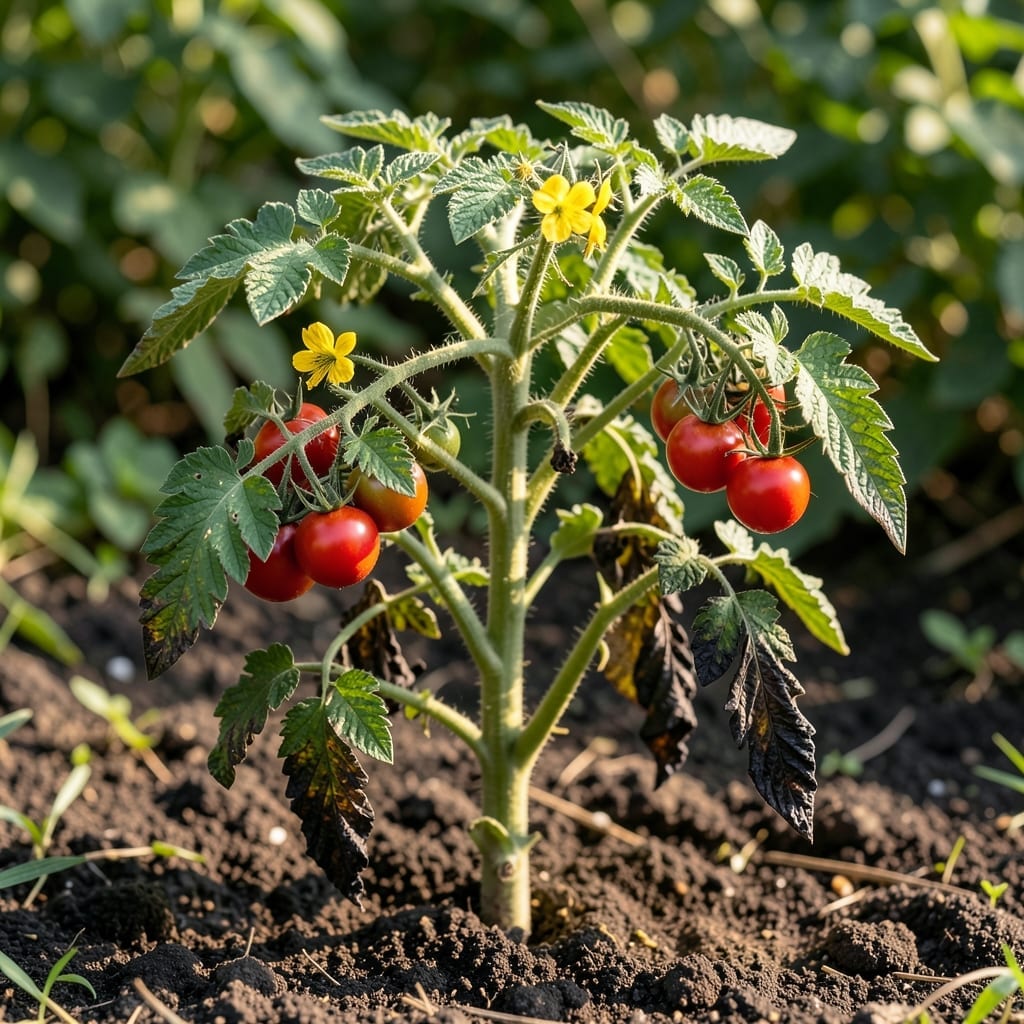
Black leaves on tomato plants hit me like a gut punch last July. It’s not just unsightly—it’s your plant screaming for help before it’s too late.
I’ve seen this with early blight, frost damage, and even overwatering. The causes vary, but the urgency doesn’t. Catching it early means the difference between revival and a lost season.
You’ll spot dark splotches, wilting, or crispy edges first. Don’t wait for it to spread—same-day action saves stems, leaves, and future fruit.
Works for garden beds, containers, or raised plots. Here’s how to diagnose and fix it fast.
Tomato plants turning black is often a distress signal, and the causes can range from environmental stress to disease. Here’s a breakdown of the most common culprits:
Excessive sunlight or extreme heat can scorch tomato leaves, causing them to turn black or dark brown, especially on the side facing the sun. This happens because the plant’s cells are damaged by UV radiation, leading to necrosis (tissue death). Action: Provide shade cloth during peak afternoon hours or ensure consistent watering to help plants cope.
Both overwatering and underwatering can lead to blackening. Overwatering suffocates roots, cutting off oxygen and nutrient uptake, while drought stress causes leaves to wilt and darken from dehydration. Action: Check soil moisture 1-2 inches deep—water when dry, but avoid soggy conditions.
Diseases like early blight (Alternaria solani) or bacterial speck (Pseudomonas syringae) create dark, concentric spots that spread and merge. Fungi thrive in wet foliage, while bacteria enter through wounds. Action: Remove infected leaves, improve airflow, and apply copper-based fungicides preventatively.
A lack of calcium or magnesium can cause blackened patches on leaves or stems. Calcium deficiency (blossom end rot) may also manifest as dark, sunken spots on fruit. Action: Test soil and amend with lime (calcium) or Epsom salt (magnesium) as needed.
Unexpected frost or chilly nights below 50°F (10°C) can shock tomato plants, turning leaves black from frostbite. Action: Cover plants with row covers or cloths when cold snaps are forecasted.
Act fast to save your tomatoes! Below are targeted fixes for the most common causes of blackening, plus prevention tips to keep your plants thriving.
Remove infected leaves or stems immediately to stop the spread. Spray the plant with copper-based fungicide or a baking soda solution (1 tsp baking soda + 1 quart water + a few drops of dish soap).
Prevention: Improve airflow by pruning dense foliage, water at the base (not overhead), and avoid crowding plants. Rotate crops yearly to reduce soil-borne pathogens.
If blackening is due to sunscald or frost damage, move potted plants to shade or cover with frost cloth. For heat stress, mulch heavily to retain moisture and provide afternoon shade.
Prevention: Harden off seedlings before transplanting. Use row covers for early/late-season cold snaps, and ensure consistent watering (1–2 inches per week).
For overwatering, let the soil dry out slightly between waterings and improve drainage with compost or sand. For underwatering, deep-water at the base until soil is moist 6 inches down.
Prevention: Use drip irrigation to deliver water directly to roots. Check soil moisture with your finger—water when the top inch feels dry.
Yellowing leaves with black spots often signal calcium or magnesium deficiency. Apply crushed eggshells or a calcium-magnesium supplement (like Epsom salt: 1 tbsp/gallon of water) to the soil.
Prevention: Test soil annually and amend with organic matter. Use a balanced fertilizer (10-10-10) and avoid over-fertilizing with nitrogen, which can worsen imbalances.
💡 Pro Tip: Always sterilize pruning tools with rubbing alcohol between cuts to prevent spreading disease.
No, once leaves turn black, the damage is permanent. Remove them to prevent disease spread and focus on saving healthy growth. New leaves will regrow if the plant recovers.
Disease spots often have concentric rings or fuzzy edges, while sunburn appears as crisp, dry patches on the most exposed areas. Check for yellowing halos around black spots for fungal clues.
Yes, if the fruit itself shows no signs of rot or disease. Black leaves don’t affect the edibility of healthy tomatoes. Always wash produce thoroughly before consuming.
Improve air circulation by pruning dense foliage and water at the base only. Apply a copper fungicide preventatively if disease is suspected. This slows spread within 24-48 hours.