
Beautiful Plants For Your Interior
Beautiful Plants For Your Interior
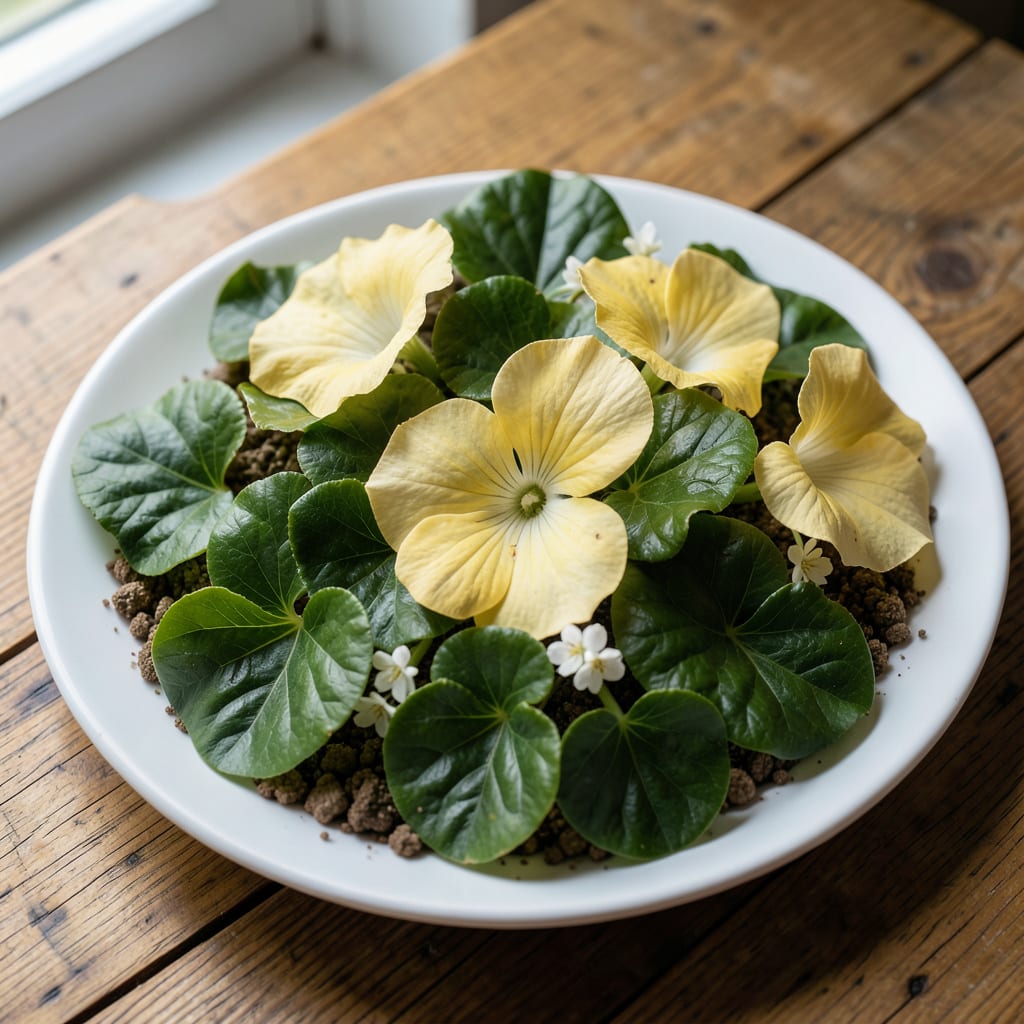
Yellow vinca leaves are your plant’s emergency signal. 🌱 I’ve seen this happen overnight with my own vinca patch, and the causes are usually simpler than you’d think.
Overwatering tops the list—vinca hates soggy roots. But it could also be too little light, nutrient hunger, or even a sneaky pest invasion. The good news? Most issues fix fast once you spot them.
You’ll see new green growth returning within 7-10 days of correcting the problem. The key is acting before yellow spreads to healthy leaves.
Works for garden beds, containers, and hanging baskets alike. Here’s how to diagnose and fix it.
Vinca leaves turn yellow due to a variety of environmental and biological stressors. Below are the most common causes, explained with actionable insights.
Excess water suffocates vinca roots, reducing oxygen uptake and leading to root rot. Fungi like Phytophthora thrive in soggy soil, damaging roots and blocking nutrient absorption. Yellowing starts at the lower leaves as the plant struggles to transport water and minerals.
Vinca prefers moderate climates (60–80°F). Heat stress above 90°F causes leaf scorch, while cold snaps below 40°F disrupt chlorophyll production. Both extremes trigger yellowing, often paired with wilting or crisp edges.
A lack of nitrogen (uniform yellowing) or iron (interveinal yellowing with green veins) starves leaves of essential pigments. Sandy or alkaline soils often exacerbate these deficiencies by locking nutrients away from roots.
Sap-sucking pests like spider mites and aphids drain vital fluids, causing stippled yellow patches. Their honeydew also fosters sooty mold, further blocking sunlight. Inspect leaf undersides for webbing or tiny insects.
Alternaria or Cercospora fungi create yellow halos around brown spots. These thrive in humid conditions with poor air circulation. Fungal spores spread rapidly, turning leaves yellow before they drop prematurely.
Reviving your vinca starts with targeting the root cause. Below are practical fixes for each common issue, plus prevention tips to keep leaves lush and green.
Fix: Let the soil dry out between waterings. Repot in a well-draining mix (50% potting soil, 50% perlite or sand) and ensure containers have drainage holes. Trim soggy roots with sterilized shears.
Prevent it: Water only when the top 1-2 inches of soil feel dry. Use terracotta pots to wick away excess moisture.
Fix: Move potted vinca to a spot with morning sun and afternoon shade. In gardens, thin nearby plants or add shade cloth. For leggy, pale growth, gradually reintroduce sunlight.
Prevent it: Site vinca in partial shade (4-6 hours of sun) in hot climates or full sun in cooler areas.
Fix: Apply a balanced, water-soluble fertilizer (10-10-10) every 4-6 weeks during growing season. For iron deficiency (yellowing between veins), use chelated iron or lower soil pH with sulfur.
Prevent it: Amend soil with compost at planting. Avoid over-fertilizing—vinca thrives in moderate fertility.
Fix: Spray aphids or spider mites with neem oil or insecticidal soap. For fungal issues (e.g., root rot), remove affected parts and treat with copper fungicide. Disinfect tools between cuts.
Prevent it: Space plants for airflow, avoid overhead watering, and inspect new plants for pests before introducing them.
Fix: Shield vinca from frost with row covers or mulch. In extreme heat, provide temporary shade and water deeply in the early morning.
Prevent it: Plant after the last frost date. In containers, move pots indoors when temps drop below 50°F (10°C).
Check the soil—if it feels soggy or smells musty, that’s a red flag. Lower leaves yellowing first is another sign. Let it dry out completely before watering again.
Spider mites and aphids are the main culprits. Look for tiny webs or sticky residue on leaf undersides. A neem oil spray every 3-5 days usually solves it.
Severely yellowed leaves won’t recover, but new growth will be green once the underlying issue is fixed. Trim the damaged leaves to redirect energy to healthy ones.
In hot climates, full sun can scorch leaves. Aim for morning sun and afternoon shade. In cooler areas, full sun is often ideal.
