
Beautiful Plants For Your Interior
Beautiful Plants For Your Interior
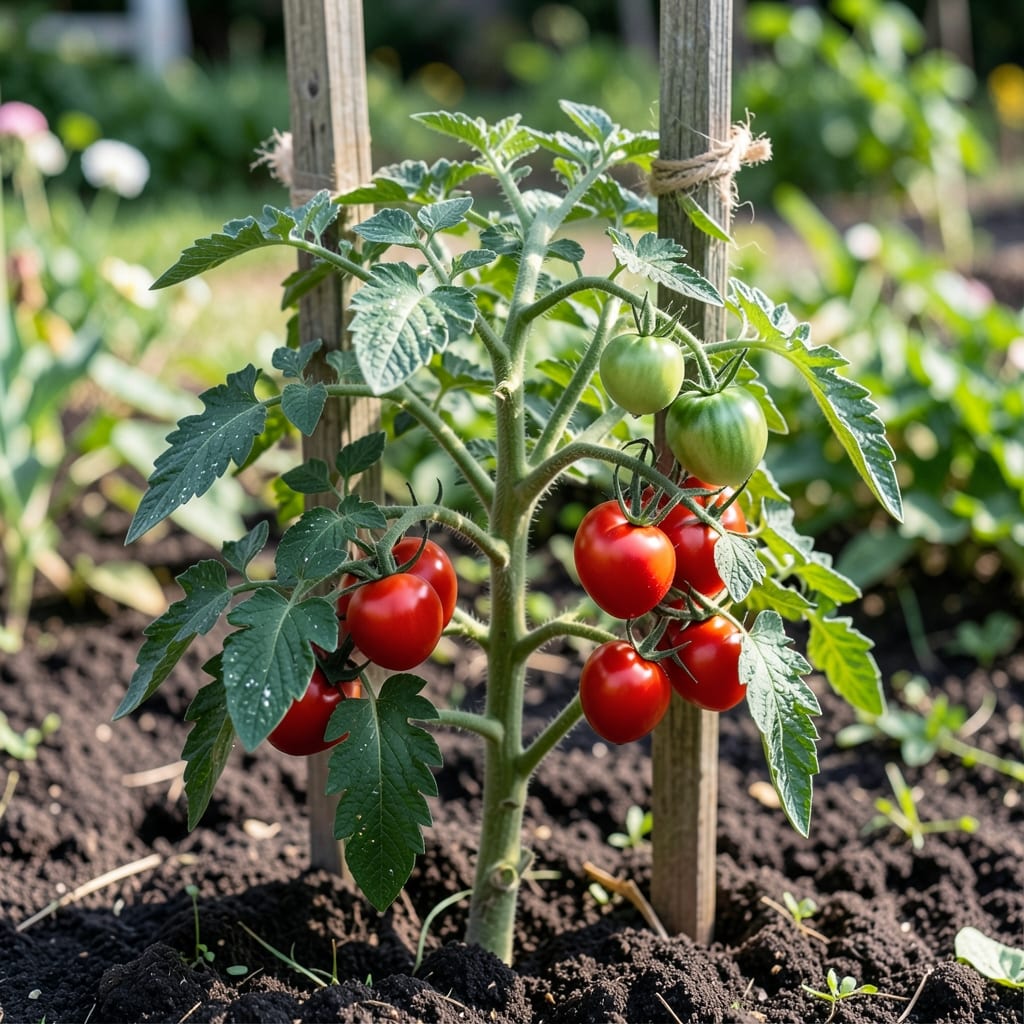
White spots on tomato leaves always catch me off guard. I remember the first time I saw them on my plants—panicked, then realized it’s usually fixable with the right approach.
These spots often signal pests like spider mites or diseases such as powdery mildew. Environmental stress, like too much sun or water, can also cause them. The key is identifying the root issue before it spreads.
Organic solutions like neem oil or baking soda sprays work wonders. I’ve saved countless plants by acting fast and keeping the garden clean to prevent future problems.
Prevention is simpler than you think: consistent watering, proper spacing, and regular plant checks keep your tomatoes healthy and spot-free.
White spots on tomato plant leaves can stem from several underlying issues, each with distinct triggers. Below are the most common causes, explained scientifically for clarity and actionability.
Podosphaera xanthii or Erysiphe spp. fungi thrive in high humidity (70-90%) and moderate temperatures (60-80°F). These pathogens form white, powdery colonies on leaf surfaces, blocking sunlight and weakening photosynthesis. Spore dispersal is wind-driven, so crowded plantings or poor air circulation accelerate spread.
Calcium or magnesium shortages manifest as interveinal chlorosis (white/yellow patches between veins). Calcium deficiency often appears first on new growth, while magnesium issues target older leaves. Soils with pH < 6.0 or excessive potassium can lock out these nutrients, starving the plant.
Whiteflies, spider mites, and thrips feed on leaf sap, leaving behind stippling (tiny white dots) or webbing. Whiteflies excrete honeydew, which fosters sooty mold—a secondary white fungal growth. Check leaf undersides for nymphs or eggs, especially in dry, dusty conditions.
Intense sunlight or heat scorch can bleach leaf tissue, creating irregular white patches. This often occurs when plants are suddenly exposed to >90°F temperatures without acclimation. Similarly, herbicide drift (e.g., glyphosate) may cause localized white spotting due to disrupted chlorophyll production.
White spots on tomato leaves can be frustrating, but most causes are treatable with simple, organic solutions. Below are the most effective fixes, matched to each common cause.
For powdery mildew or early blight, remove affected leaves and improve air circulation by pruning dense foliage. Spray plants with a baking soda solution (1 tsp baking soda + 1 quart water + a few drops of dish soap) every 7–10 days. Prevention tip: 💡 Water at the base to keep leaves dry, and space plants 18–24 inches apart.
If white spots are from whiteflies, aphids, or spider mites, blast them off with a strong stream of water. Apply neem oil or insecticidal soap (follow label instructions) every 5–7 days until pests are gone. Prevention tip: ✨ Introduce beneficial insects like ladybugs or lacewings to your garden.
If leaves show crispy white patches from sunscald, move potted plants to partial shade or use shade cloth (30–40% density) during peak sun hours. Prevention tip: 🌡️ Harden off seedlings gradually before transplanting to full sun.
For magnesium or calcium deficiency, work compost or Epsom salt (1 tbsp per gallon of water) into the soil. For calcium, add crushed eggshells or lime. Prevention tip: 🎯 Test soil annually and amend as needed for balanced nutrition.
If spots appear after spraying pesticides or fertilizers, rinse leaves with water immediately. Switch to organic, diluted sprays and always apply in the early morning or late evening. Prevention tip: ✨ Spot-test new products on a single leaf before full application.
Yes, overwatering can cause fungal growth that appears as white spots. Ensure soil drains well and water only when the top 1-2 inches are dry.
If caused by pests or fungi, they can spread quickly. Isolate affected plants and treat immediately with neem oil or remove infected leaves.
Yes, if the issue is environmental or nutritional. Avoid eating tomatoes from plants treated with strong chemicals until washed thoroughly.
Improve airflow, water at the base, and maintain consistent soil moisture. Regularly check leaf undersides for early signs of pests.