
Beautiful Plants For Your Interior
Beautiful Plants For Your Interior
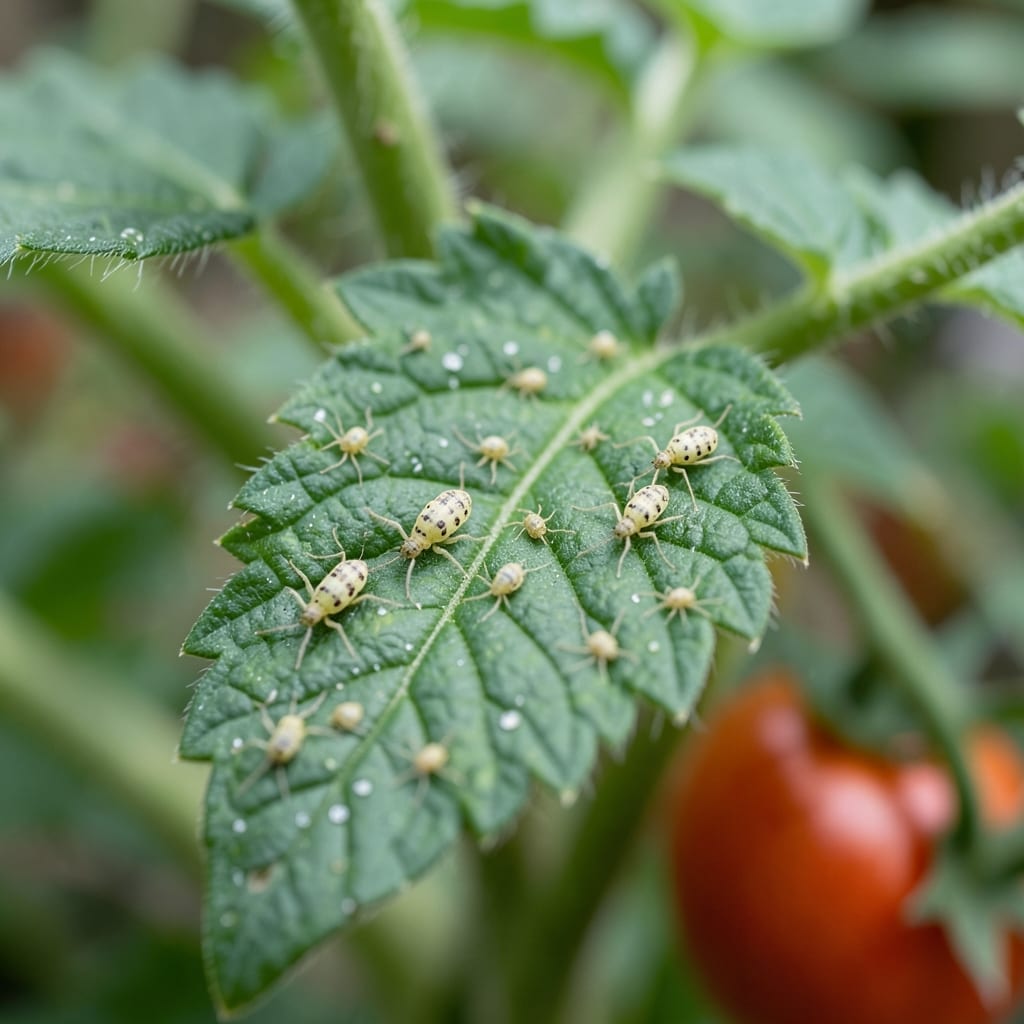
Tiny webs on your tomato leaves mean trouble. I spotted spider mites early last season and saved my plants with a simple spray solution that works in 24 hours without harsh chemicals.
These pests thrive in hot, dry conditions, sucking plant juices and leaving yellow speckles. The key is catching them before they multiply out of control. A daily leaf inspection takes 30 seconds but prevents major damage.
My non-toxic spray uses household items you already have. It knocked out the infestation while keeping my tomatoes healthy and chemical-free. The plants recovered completely within a week.
Works for both indoor and outdoor tomatoes. Here’s exactly what to mix and how to apply it for the best results.
Spider mites thrive on tomato plants due to a mix of environmental and cultural factors. Understanding these triggers helps you prevent infestations before they start. Below are the most common causes, explained with actionable insights.
These pests love low humidity and high temperatures (above 80°F). Tomato plants in greenhouses, indoor setups, or drought-stricken gardens are prime targets. Spider mites reproduce rapidly in these climates, with females laying up to 300 eggs in a lifetime.
Watering from above leaves foliage dry for extended periods, creating an ideal habitat. Spider mites hate moisture on leaves, so inconsistent or top-only watering gives them free rein. Drip irrigation or soaker hoses keep humidity higher at the leaf surface.
Weak or nutrient-deficient tomato plants are more susceptible. Stress from underwatering, over-fertilizing (especially nitrogen-heavy), or compacted soil reduces the plant’s natural defenses. Healthy plants produce more deterrent compounds, like terpenes, that repel mites.
In balanced ecosystems, beneficial insects like ladybugs, lacewings, and predatory mites keep spider mites in check. Monoculture gardens or excessive pesticide use (even organic ones) can wipe out these allies, leaving your tomatoes vulnerable.
Stopping spider mites on tomatoes starts with quick, targeted action. Below are practical fixes for the most common causes, plus prevention tips to keep your plants thriving. 🌱
Spider mites love dry air. Mist your tomato plants daily with water, especially under the leaves where mites hide. For a long-term fix, place a tray of water near the plants or use a humidifier in greenhouses. 💡 Pro Tip: Water early in the day to prevent fungal growth from overnight dampness.
Tight spaces help mites spread fast. Thin out dense foliage by pruning excess leaves, focusing on the lower, oldest growth first. Space potted tomatoes at least 2 feet apart and stake or trellis vining varieties to lift leaves off the ground. Better airflow = fewer hiding spots for pests.
Bring in nature’s pest control! Release ladybugs, lacewings, or predatory mites (like Phytoseiulus persimilis) onto infested plants. These good bugs feast on spider mites without harming tomatoes. Order them online or from garden centers, and apply at dusk to prevent them from flying away.
Stressed plants attract mites. If your tomatoes are baking in full sun, add shade cloth (30-50% coverage) during peak heat. Mulch the soil with straw to retain moisture and keep roots cool. Consistent watering—1-2 inches per week—helps plants resist infestations.
Look for tiny yellow or white speckles on leaves and fine webbing under foliage. Check daily, as they multiply rapidly in hot, dry weather.
Yes, if left untreated. Severe infestations cause leaf drop, reducing photosynthesis and fruit production. Act fast to save your crop.
A mix of 1 tablespoon dish soap and 1 quart water sprayed on leaves can kill mites on contact. Reapply every 3-4 days for best results.
They thrive in dry conditions. Increase humidity by misting plants or using drip irrigation. Also, remove plant debris where they hide.