
Beautiful Plants For Your Interior
Beautiful Plants For Your Interior
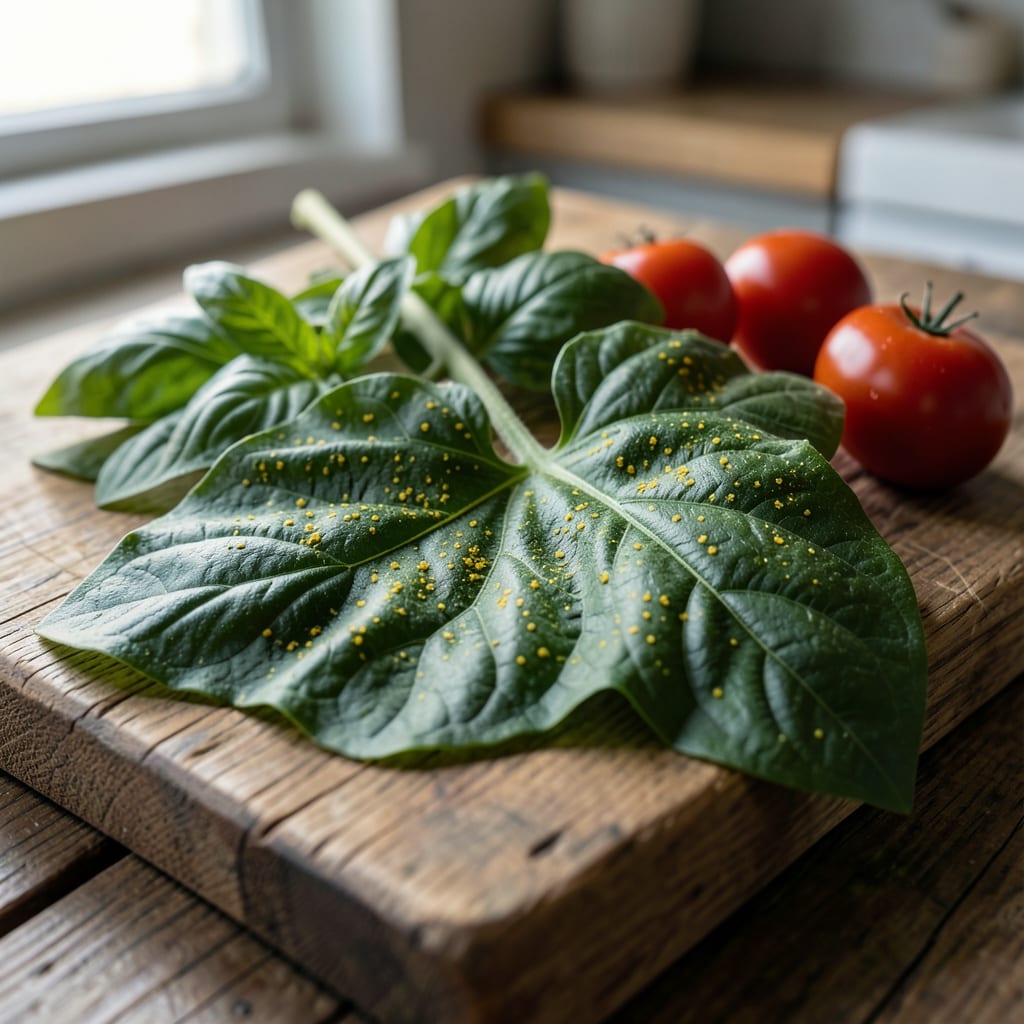
Those tiny yellow dots on your tomato leaves aren’t just unsightly—they’re a warning sign. 🌱 I’ve seen this pattern enough to know it usually means early blight, pest damage, or a nutrient imbalance, and catching it now saves your harvest.
Here’s the thing—most gardeners panic and reach for harsh chemicals. The organic fixes work just as well, often better, without harming pollinators or your soil. You just need to act within 48 hours of spotting the first marks.
What you do next depends on the pattern. Uniform dots? Likely fungal. Random speckles? Probably pests. Yellowing between veins? Nutrient issue. Each has a simple, targeted solution that stops the spread fast.
Prevention starts with airflow, clean tools, and crop rotation. Master these and you’ll spot problems before they escalate, keeping your plants productive all season long.
Those tiny yellow spots on your tomato leaves aren’t random—they’re your plant’s way of signaling trouble. Here’s what’s likely behind them:
Early blight (Alternaria solani) and septoria leaf spot (Septoria lycopersici) are common culprits. These fungi thrive in warm, wet conditions, producing spores that infect leaves through splashing water. Early blight starts as small, dark-edged yellow spots, while septoria causes circular lesions with gray centers. Action: Remove infected leaves immediately and improve airflow to reduce humidity.
Caused by Pseudomonas syringae, this bacterium creates tiny, water-soaked yellow spots that may darken over time. It spreads via contaminated tools, water, or infected seedlings. Overhead watering and cool, wet weather accelerate its growth. Action: Avoid wetting foliage, sanitize tools, and use copper-based sprays as a preventive measure.
Sap-sucking pests like aphids, whiteflies, and spider mites pierce leaf cells, causing yellow stippling as they feed. Check the undersides of leaves for clusters of pests or fine webbing. Action: Blast pests off with water or apply insecticidal soap for mild infestations.
Extreme heat, nutrient deficiencies (especially magnesium or iron), or herbicide drift can trigger chlorosis—yellowing between leaf veins. Magnesium deficiency often appears as interveinal yellowing on older leaves first. Action: Test soil pH (aim for 6.0–6.8) and amend with Epsom salt (for magnesium) or chelated iron if needed.
Here’s how to tackle those pesky tiny yellow spots on tomato leaves based on the root cause—plus tips to keep them from returning.
For early blight or septoria leaf spot, prune infected leaves immediately (use sterilized shears) and discard them in the trash—not compost. Spray remaining foliage with copper fungicide or a DIY mix of 1 tsp baking soda + 1 quart water + a few drops of dish soap. Apply every 7–10 days until spots vanish.
Prevention: 💡 Space plants 18–24 inches apart for airflow. Water at the base (avoid wetting leaves) and use mulch to block soil splash.
If aphids, whiteflies, or spider mites are sucking sap, blast them off with a strong water spray. For stubborn infestations, apply neem oil or insecticidal soap (follow label instructions). Check leaf undersides weekly.
Prevention: 🎯 Introduce beneficial insects like ladybugs. Plant companion herbs (basil, marigolds) to repel pests naturally.
Yellow spots between leaf veins often signal magnesium or potassium deficiency. Work 1 tbsp Epsom salt per gallon of water into soil for magnesium, or add compost or wood ash for potassium. Avoid over-fertilizing with nitrogen.
Prevention: ✨ Test soil annually and amend with balanced organic fertilizer before planting. Rotate crops to prevent depletion.
If spots appear after extreme heat or waterlogged soil, shade plants during peak sun and improve drainage with raised beds or perlite. For overwatering, let soil dry slightly between waterings.
Prevention: 🌡️ Use drip irrigation and monitor weather—tomatoes need 1–2 inches of water per week, not daily.
Fungal spots often have dark edges or gray centers, while pest damage looks like random stippling. Check leaf undersides for insects or webbing to confirm pests.
Yes, but only if you use sterilized shears and discard leaves in the trash. Never compost infected foliage, as this spreads the problem.
Waterlogged soil stresses plants and can lead to yellowing. Aim for 1–2 inches of water per week and let soil dry slightly between waterings.
A 1 tsp baking soda + 1 quart water + dish soap spray works well for fungal issues. For pests, neem oil or insecticidal soap gives quick results.
