
Beautiful Plants For Your Interior
Beautiful Plants For Your Interior
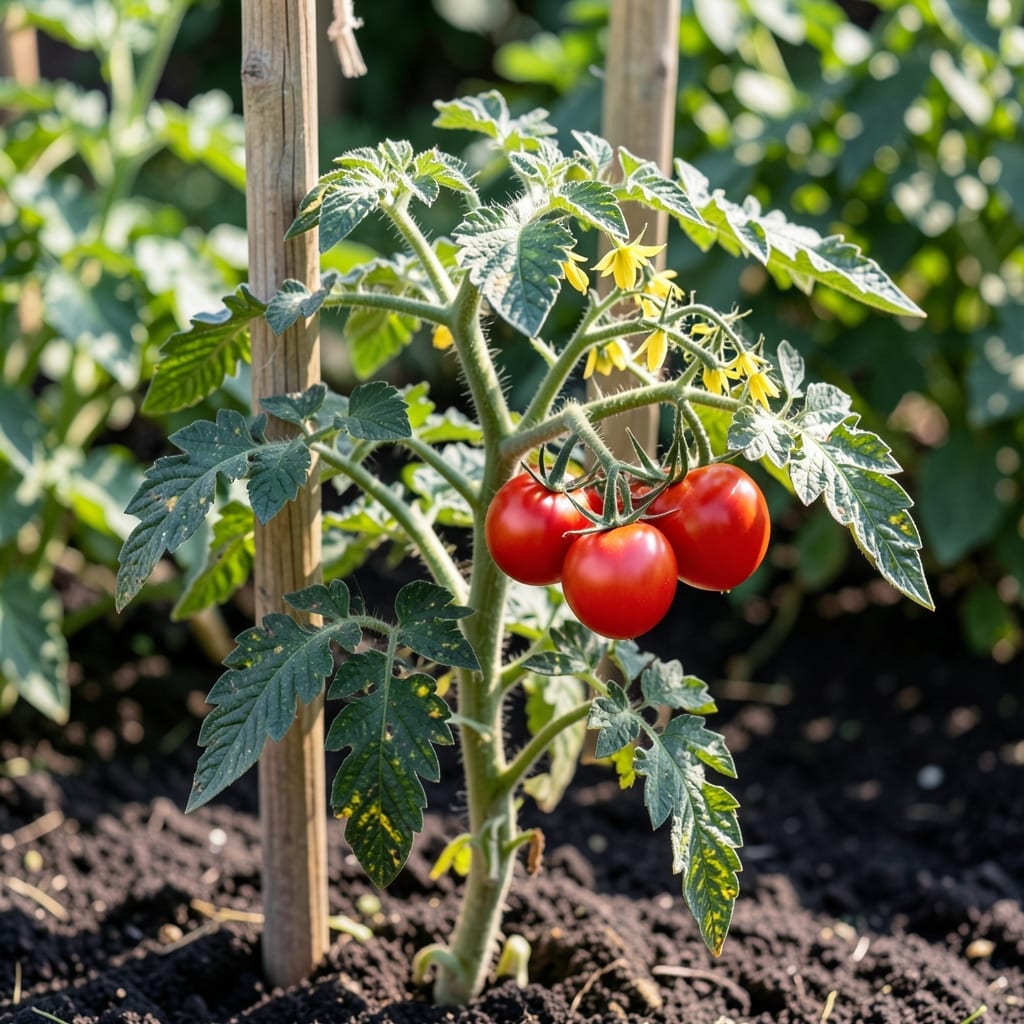
Those brown spots on your tomato leaves aren’t just ugly—they’re a warning. 🌱 I’ve lost entire crops to fungal infections that started with just a few dark patches, and the frustration is real when you’re counting on summer tomatoes.
The good news? Most spotted leaves come from three preventable causes: fungi, bacteria, or environmental stress. Each leaves a distinct pattern—early blight shows concentric rings, septoria creates tiny dots, while stress spots appear water-soaked and irregular.
You can stop the spread with 24-hour action. Remove infected leaves immediately, improve air circulation, and adjust your watering habits. The right treatment can save your plants and next season’s harvest.
Works for heirlooms, cherry tomatoes, and patio varieties alike. Here’s how to diagnose and fix it fast.
Spotted leaves on tomato plants often signal underlying issues that disrupt their health. Here are the most common causes, explained scientifically:
Pathogens like Septoria lycopersici or Alternaria solani thrive in warm, wet conditions. These fungi produce spores that land on leaves, germinate, and penetrate plant tissues, creating circular or irregular brown spots with yellow halos. Poor air circulation and overhead watering exacerbate the problem.
Bacteria such as Pseudomonas syringae cause spotted leaves by entering through wounds or stomata. They multiply rapidly in moist environments, leading to water-soaked spots that turn necrotic. Copper-based sprays can help, but prevention (e.g., avoiding wet foliage) is key.
Insects like aphids, whiteflies, or spider mites pierce leaf cells to feed, leaving behind small, discolored spots. Their saliva can also transmit viruses, causing secondary spotting. Regular inspections and neem oil applications can mitigate infestations.
Extreme heat, cold, or nutrient deficiencies (e.g., magnesium or potassium) can trigger leaf spotting. For example, blossom end rot (calcium deficiency) sometimes manifests as leaf spots before affecting fruit. Soil testing and balanced fertilization can correct imbalances.
Identifying the root cause is the first step toward restoring your tomato plants’ vitality. 💡
Once you’ve identified the cause of spotted leaves on your tomato plants, here’s how to tackle each issue effectively:
For early blight or septoria leaf spot, remove and destroy infected leaves immediately to prevent spread. Apply a copper-based fungicide or neem oil every 7–10 days, especially after rain. Prevention tip: 💡 Space plants 2–3 feet apart for better airflow and water at the base to keep foliage dry.
If pests like aphids or spider mites are causing spots, spray plants with insecticidal soap or a mixture of water and dish soap (1 tsp per quart). Repeat every 3–4 days until pests disappear. Prevention tip: 🎯 Introduce beneficial insects like ladybugs or use reflective mulch to deter pests.
Overwatering or drought can lead to leaf spots. Let the top inch of soil dry between waterings, and ensure pots have drainage holes. Prevention tip: ⏰ Water deeply early in the morning to reduce evaporation and fungal growth.
Sunburn or nutrient deficiencies (like calcium or magnesium) may cause spotting. Provide shade cloth during peak sun and fertilize with a balanced, tomato-specific formula. Prevention tip: ✨ Test soil annually and amend with compost for long-term health.
Act quickly—the sooner you address the issue, the faster your tomatoes will recover! 🌱
Fungal spots usually have concentric rings or defined edges, while bacterial spots appear water-soaked with yellow halos. Fungal issues thrive in wet conditions, while bacterial spots spread faster in heat.
Yes! Prune infected leaves immediately to prevent spread, but avoid removing more than 1/3 of the foliage at once. Always sterilize pruners with rubbing alcohol between cuts.
If the spots are limited to leaves and the fruit looks healthy, it’s safe to harvest. Wash tomatoes thoroughly before eating. Stop harvesting if the fruit shows signs of rot or disease.
Improve air circulation by staking plants, water at the base only, and apply copper fungicide or neem oil as a preventative. Act within 24 hours of spotting the first signs.