
Beautiful Plants For Your Interior
Beautiful Plants For Your Interior
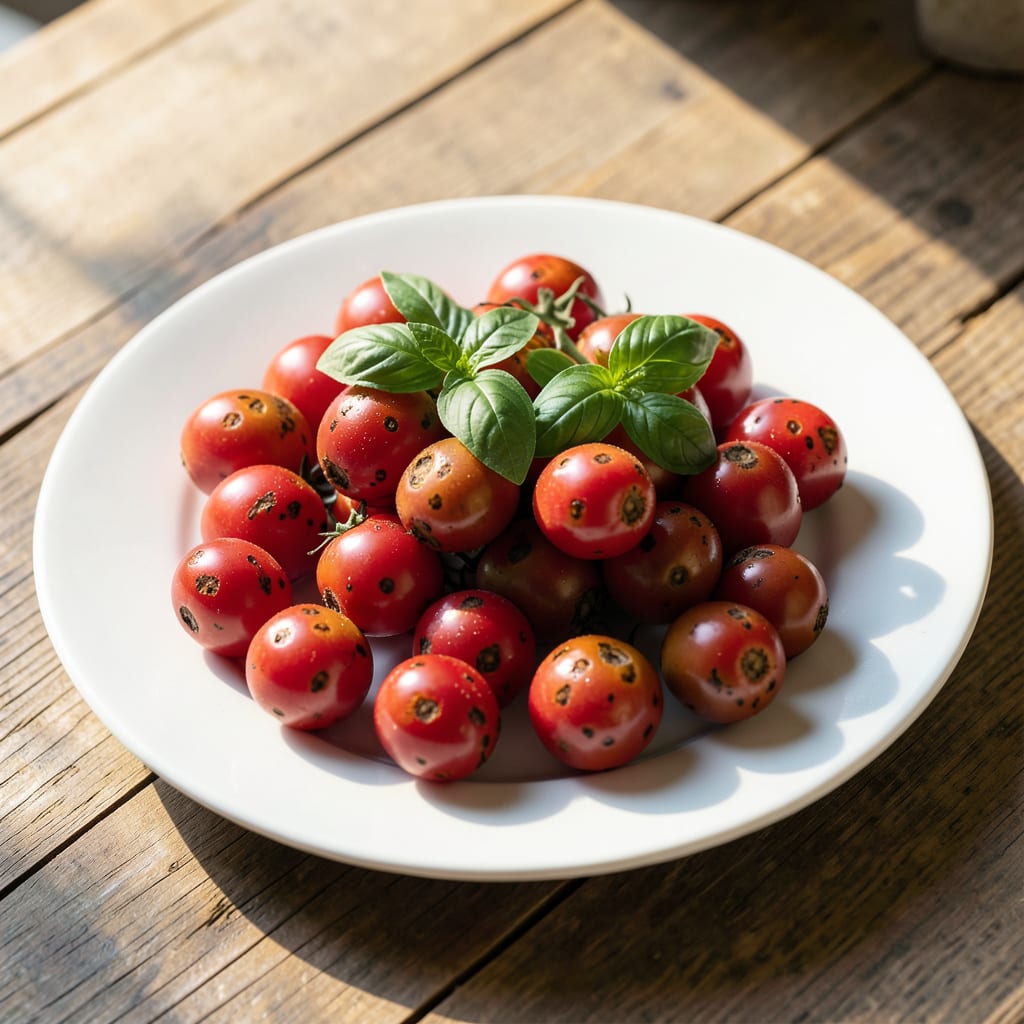
Those brown spots on your cherry tomatoes aren’t just ugly—they’re a warning sign. I’ve battled this in my own garden, and the solution starts with figuring out what’s actually causing the damage.
Whether it’s fungus, bacteria, or just inconsistent watering, the fix is simpler than you think. Most cases clear up with better airflow, consistent moisture, and a little vigilance with your plants.
You’ll see healthier foliage within a week and spot-free fruit soon after. The key is catching it early and acting fast before it spreads to the rest of your crop.
Works for container gardens, raised beds, or in-ground plants. Here’s how to diagnose and treat it for good.
Brown spots on cherry tomatoes often stem from environmental, nutritional, or pathological issues. Here’s a breakdown of the most common causes:
Excessive sun exposure can cause sunscald, leading to light brown, papery spots on the side of tomatoes facing the sun. This happens when intense UV rays damage the fruit’s skin, especially during hot afternoons. Shade cloth or proper plant spacing can prevent this.
Despite its name, blossom end rot (BER) can appear as dark, leathery brown spots at the blossom end of the fruit. It’s caused by calcium deficiency, often due to inconsistent watering or poor soil pH. Test your soil and maintain even moisture levels to avoid this.
Fungal infections like early blight (Alternaria solani) or late blight (Phytophthora infestans) create concentric brown rings on leaves and fruit. These thrive in wet, humid conditions. Improve air circulation and apply fungicides preventatively.
Pests such as stink bugs or tomato fruitworms puncture the skin, leaving small brown scars. Inspect plants regularly and use organic pest controls like neem oil or row covers.
Deficiencies in potassium or magnesium can also cause brown spotting. Potassium deficiency often shows as yellowing leaf edges with brown spots, while magnesium deficiency appears as interveinal chlorosis. A balanced fertilizer can correct these issues.
When brown spots appear on your cherry tomatoes, quick and targeted action can save your crop. Below are practical solutions for the most common causes, along with prevention tips to keep your plants thriving.
Remove affected leaves and fruits immediately to prevent the spread. Apply a copper-based fungicide or a homemade mix of 1 tsp baking soda + 1 quart water + a few drops of dish soap. Spray every 7–10 days, especially after rain.
Prevention: Improve airflow by pruning dense foliage, water at the base (not overhead), and rotate crops yearly. 💡 Space plants 18–24 inches apart for better circulation.
Blast pests off with a strong stream of water, or apply neem oil or insecticidal soap. For severe infestations, introduce beneficial insects like ladybugs.
Prevention: Inspect plants weekly for pests, and encourage natural predators with companion planting (e.g., basil or marigolds). ✨ Yellow sticky traps can help monitor pest activity.
Remove affected tomatoes and amend the soil with crushed eggshells or a calcium-rich fertilizer. Keep soil consistently moist—mulch helps retain water and prevent fluctuations.
Prevention: Test soil before planting and maintain even watering. 🌡️ Avoid over-fertilizing with nitrogen, which can block calcium uptake.
Provide shade during peak afternoon hours using row covers or shade cloth. Ensure plants are well-hydrated to reduce stress.
Prevention: Plant in a spot with dappled sunlight or use trellises to create natural shade. 🎯 Water deeply in the morning to prepare plants for daytime heat.
Flush the soil with water to remove excess salts. Switch to a balanced, organic fertilizer and follow package instructions carefully.
Prevention: Fertilize sparingly and always water thoroughly after application to prevent buildup. 🔥 Compost is a gentler alternative to synthetic fertilizers.
Yes, fluctuating moisture levels often lead to blossom end rot, which appears as dark brown patches. Maintain even soil moisture by watering deeply 2-3 times weekly and using mulch.
No, they can also result from sunscald, pest damage, or nutrient deficiencies. Check for patterns: concentric rings suggest fungus, while random spots may indicate pests or environmental stress.
Improve airflow by spacing plants 18-24 inches apart and pruning dense foliage. Water at the base in the morning, and apply copper fungicide preventatively every 7-10 days.
Only if the spots are superficial, like sunscald. Discard tomatoes with soft, mushy brown areas, which may indicate rot or pest damage. When in doubt, toss it out.
