
Beautiful Plants For Your Interior
Beautiful Plants For Your Interior
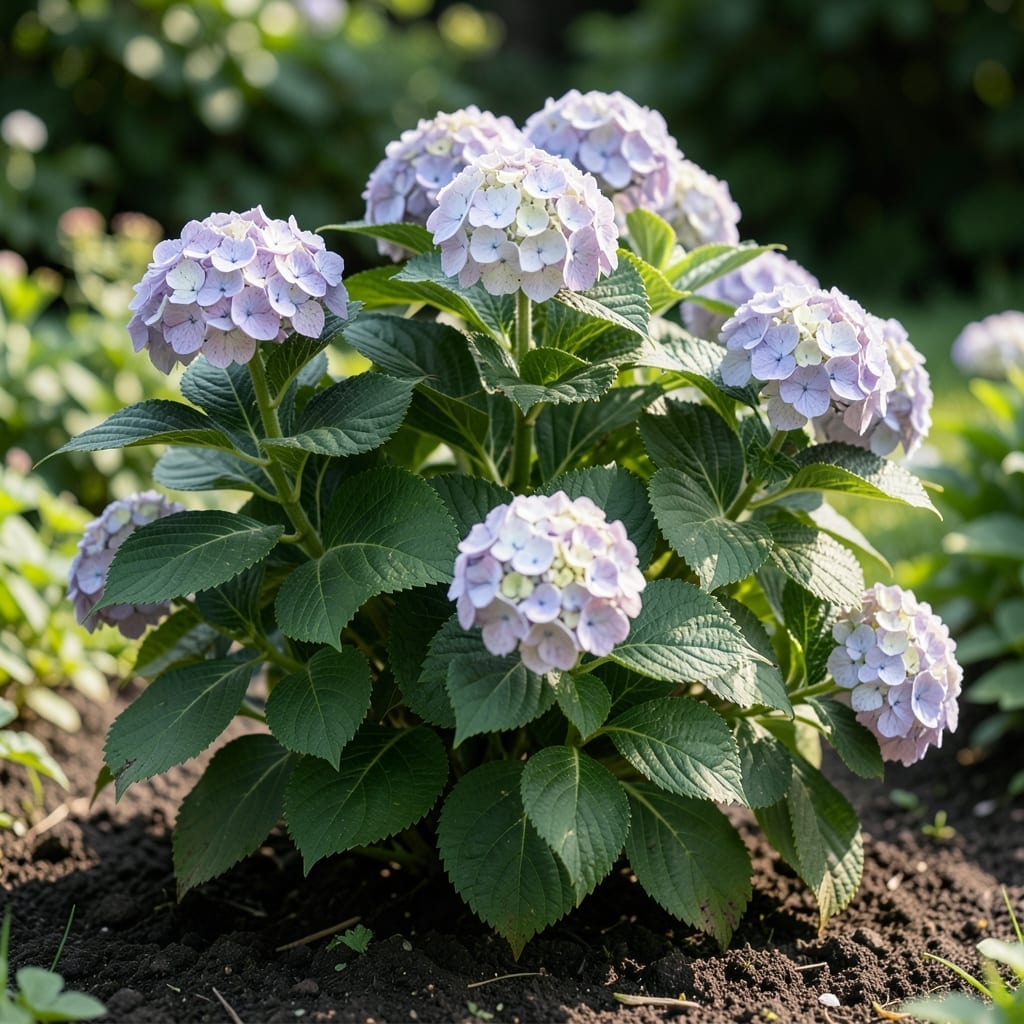
Spots on hydrangea blooms ruin the show. I’ve dealt with this issue for years, and the frustration is real when your perfect clusters suddenly look like they’ve been through a battle.
Most cases come down to three culprits: fungal infections, pest damage, or environmental stress. The good news is that each has clear signs and simple solutions once you know what you’re looking at.
With the right approach, you can restore your hydrangeas to their former glory. Clean, healthy blooms aren’t just possible—they’re within reach for any gardener willing to pay attention.
Works for all hydrangea types, from bigleaf to panicle. Here’s how to diagnose and fix it.
Spots on hydrangea blooms are rarely random—they’re your plant’s way of signaling distress. Below are the most common causes, backed by science and actionable insights.
Fungi like Cercospora and Anthracnose thrive in wet, humid conditions, leading to dark or purple-brown spots. These pathogens spread via spores, which germinate on damp foliage. Overhead watering and poor air circulation worsen the issue. Fix: Water at the base, prune for airflow, and apply copper-based fungicides preventatively.
Sap-sucking pests such as aphids, spider mites, or lace bugs pierce plant cells, creating entry points for secondary infections. Their feeding often leaves behind sticky honeydew, which attracts sooty mold (black spots). Fix: Blast pests off with water or use insecticidal soap. Introduce beneficial insects like ladybugs for natural control.
Extreme heat, frost, or sudden temperature swings can cause cellular damage, manifesting as brown or scorched spots. Hydrangeas prefer consistent moisture and partial shade—direct sun or drought stress weakens their defenses. Fix: Mulch to retain soil moisture, provide afternoon shade, and water deeply during dry spells.
A lack of essential nutrients, particularly magnesium (interveinal chlorosis) or potassium (edge browning), can lead to spotting. Over-fertilization, especially with high-nitrogen blends, may also disrupt balance. Fix: Test soil pH (hydrangeas prefer 5.2–6.2) and amend with compost or a balanced, slow-release fertilizer.
Spots on your hydrangea flowers can often be fixed with a few simple steps. Below are targeted solutions for common causes, along with prevention tips to keep your blooms vibrant and healthy.
If spots are caused by powdery mildew or leaf spot, start by pruning affected blooms and leaves with sterilized shears to prevent spread. Apply a fungicide (like copper-based or neem oil) every 7–10 days until the issue clears. Prevention tip: 💡 Improve air circulation by spacing plants properly and watering at the base to avoid wetting foliage.
Spots from aphids, spider mites, or beetles? Spray plants with insecticidal soap or a mix of water and dish soap to dislodge pests. For stubborn infestations, use horticultural oil. Prevention tip: ✨ Encourage beneficial insects like ladybugs by planting companion flowers (e.g., marigolds) nearby.
Brown or crispy spots often signal under- or overwatering. Check soil moisture—hydrangeas prefer consistently moist (not soggy) soil. Water deeply 1–2 times per week, more in extreme heat. Prevention tip: 🌡️ Mulch around the base to retain moisture and regulate soil temperature.
Yellowing leaves with spots may indicate a lack of iron or nitrogen. Use a balanced, slow-release fertilizer or a soil amendment like chelated iron for acid-loving hydrangeas. Prevention tip: 🎯 Test soil pH annually—hydrangeas thrive in slightly acidic to neutral soil (pH 6.0–7.0).
With these fixes, your hydrangeas will bounce back in no time!
Fungal spots often appear as dark, irregular shapes with fuzzy edges, while pest damage creates tiny holes or stippling. Check undersides of leaves for insects or webbing to confirm.
Yes, pruning affected blooms prevents the spread of disease. Use sterilized shears and dispose of clippings in the trash, not compost.
Water early in the morning to allow foliage to dry during the day. Avoid evening watering, which creates damp conditions that encourage fungal growth.
Too much fertilizer, especially high-nitrogen types, can burn roots and cause leaf spotting. Stick to a balanced, slow-release product.