
Beautiful Plants For Your Interior
Beautiful Plants For Your Interior
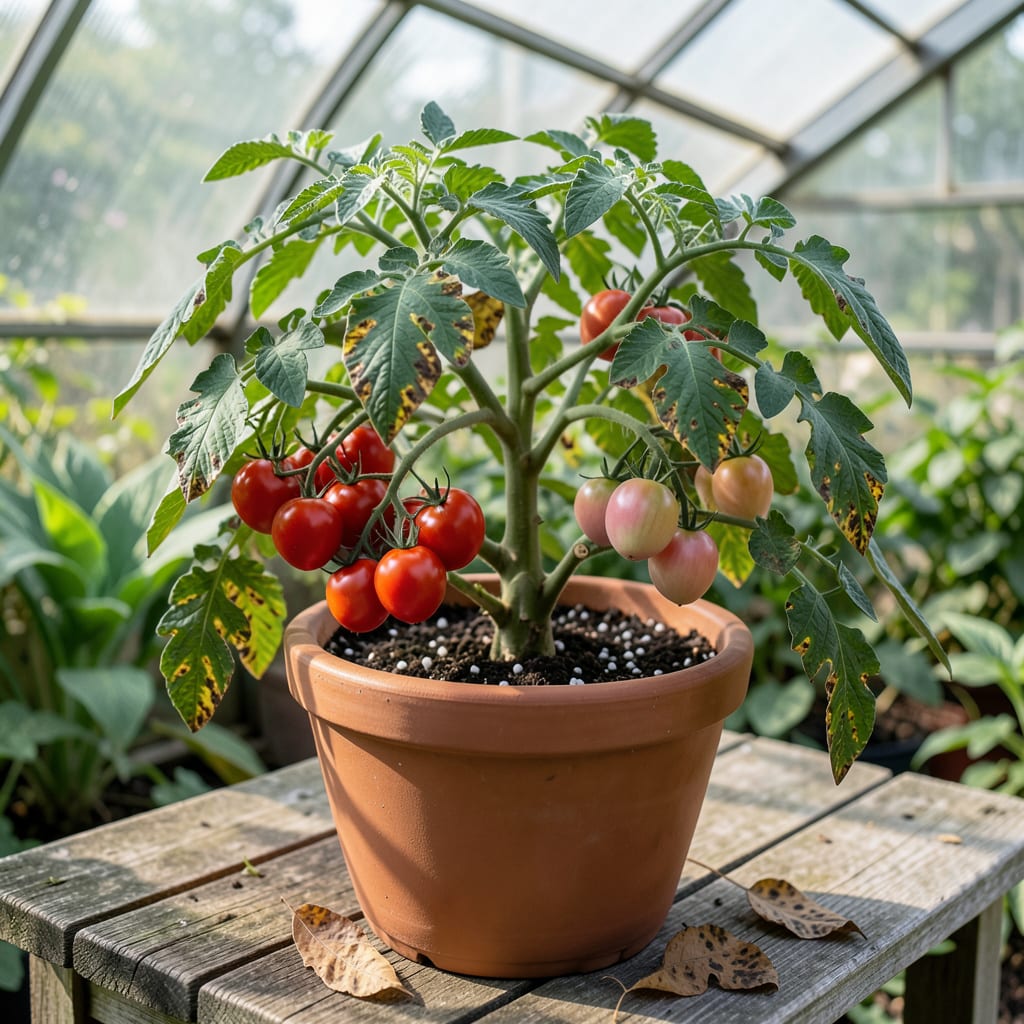
Those brown spots on your tomato leaves aren’t just ugly—they’re a warning sign. I’ve seen entire crops wiped out by ignoring early symptoms, but catching them now means you can still save your plants.
Most cases come down to 3 common culprits: fungal infections from wet foliage, pest damage, or environmental stress like uneven watering. The good news? Each has a simple, quick fix if you act fast.
You’ll notice the difference within days of applying the right treatment. Leaves stop yellowing, new growth stays healthy, and your plants keep producing instead of declining.
Works for container gardens, raised beds, or in-ground plants. Here’s exactly what to do next.
Brown spots on tomato leaves often signal underlying issues that disrupt plant health. Here are the most common causes, explained with actionable insights:
Pathogens like Alternaria solani (early blight) or Septoria lycopersici thrive in warm, wet conditions. They produce spores that infect leaves, creating circular brown spots with concentric rings. Overhead watering and poor air circulation accelerate spread. Fix: Remove infected leaves, improve airflow, and apply copper-based fungicides preventatively.
Xanthomonas or Pseudomonas bacteria cause small, water-soaked spots that turn brown and scabby. These often appear on lower leaves first, especially after rain or overhead irrigation. Fix: Avoid wetting foliage, use drip irrigation, and rotate crops. Remove severely infected plants to prevent spread.
Sap-sucking pests like spider mites or aphids weaken leaves, leading to stippled brown spots. Their feeding disrupts cell structure, creating a mottled or speckled appearance. Fix: Spray with neem oil or insecticidal soap, and introduce beneficial insects like ladybugs.
Extreme heat, drought, or nutrient deficiencies (e.g., calcium or potassium) can cause leaf scorching or irregular brown patches. Over-fertilization (especially with nitrogen) may also trigger leaf burn. Fix: Maintain consistent watering, mulch to retain moisture, and test soil for deficiencies.
Herbicides, pesticides, or even foliar feeds applied in direct sunlight can cause localized brown spots. These appear suddenly and often have a “scorched” look. Fix: Apply treatments in the early morning or late evening, and always follow label instructions.
Addressing brown spots on your tomato leaves starts with identifying the cause. Below are targeted fixes paired with prevention tips to keep your plants thriving.
For early blight or septoria leaf spot, remove infected leaves immediately and discard them (do not compost). Apply a copper-based fungicide or a DIY mix of 1 tsp baking soda + 1 quart water + a drop of dish soap. Spray every 7–10 days, especially after rain.
Prevention: Water at the base (avoid wetting leaves), space plants for airflow, and rotate crops yearly. 💡 Pro tip: Mulch with straw to reduce soil-to-leaf splash.
If spider mites or aphids are the culprits, blast them off with water or use insecticidal soap. For severe infestations, introduce ladybugs or apply neem oil (mix 1 tbsp oil + 1 tsp soap + 1 liter water).
Prevention: Inspect leaves weekly, encourage beneficial insects, and avoid over-fertilizing (which attracts pests). ✨ Bonus: Plant basil or marigolds nearby as natural repellents.
For sunscald or nutrient deficiencies, move potted plants to shade during peak heat. If soil lacks nutrients, amend with compost or a balanced fertilizer (10-10-10). Yellowing leaves with brown edges? Test soil pH—tomatoes prefer 6.0–6.8.
Prevention: Use shade cloth for intense sunlight, water consistently (1–2 inches weekly), and test soil before planting. 🎯 Key: Avoid overhead watering in high humidity.
For bacterial spot, remove infected leaves and sterilize pruners with rubbing alcohol. Apply a bactericide like copper or a hydrogen peroxide spray (1 tbsp 3% H₂O₂ + 1 cup water).
Prevention: Start with disease-resistant seeds, avoid overhead watering, and clean garden tools between uses. 🔥 Critical: Remove all plant debris after harvest.
Yes, excess moisture creates perfect conditions for fungal growth. Overwatering can lead to root rot, which stresses the plant and causes leaf discoloration. Always check soil moisture 2 inches deep before watering.
Fungal spots often have concentric rings and appear on older leaves first. Bacterial spots are smaller, water-soaked, and may have a yellow halo. A magnifying glass helps spot these differences.
Yes, but only if done correctly. Remove only the affected leaves and sterilize your tools between cuts. Never compost infected leaves, as this can spread the problem.
The fruit is usually safe if the issue is limited to leaves. However, wash tomatoes thoroughly. If the plant has a severe bacterial infection, it’s best to avoid eating the fruit.
