
Beautiful Plants For Your Interior
Beautiful Plants For Your Interior
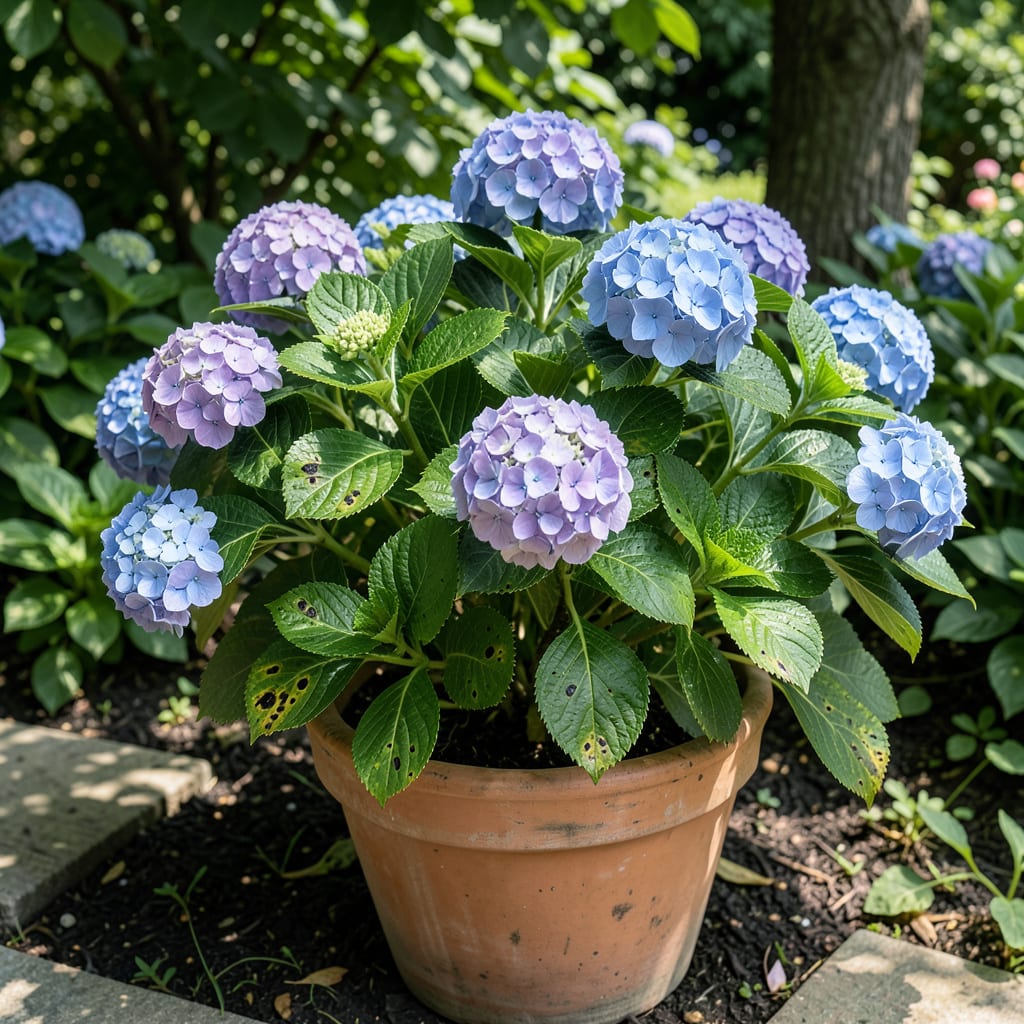
Black spots on hydrangea leaves ruined my first summer with these plants. I learned the hard way that most cases come down to fungal issues, usually from too much moisture sitting on the leaves.
Here’s the thing—overwatering, poor air flow, or even splashing water from above can invite those ugly spots. The good news is you can stop the spread with simple fixes like pruning affected leaves and improving airflow around your plants.
I switched to watering at the base and added a copper fungicide spray, which cleared things up in about 2 weeks. The new growth came in spot-free and healthier than before.
Prevention is easier than cure: space plants properly, water in the morning, and keep the area clean. Your hydrangeas will thank you with lush, vibrant foliage all season long.
Black spots on hydrangea leaves are a red flag 🚨 that something’s disrupting your plant’s health. Here’s why it happens:
The most common culprit is Cercospora or Alternaria fungi, which thrive in warm, humid conditions. These pathogens spread via water splashing on leaves, creating circular black or brown lesions with yellow halos. Overhead watering and poor air circulation accelerate their growth.
Excess moisture around roots can stress the plant, making it susceptible to fungal diseases. Soggy soil also attracts bacteria like Pseudomonas, which cause black, water-soaked spots. Always water at the base and ensure well-draining soil.
Extreme heat, cold snaps, or sudden temperature swings can weaken hydrangeas, leading to leaf scorch—dark, crispy spots. Transplant shock or improper sunlight exposure (too much or too little) may also trigger discoloration.
Insects like aphids or mites pierce leaves, creating entry points for pathogens. Their feeding can cause blackened areas or sooty mold (a secondary fungal growth from honeydew residue). Inspect leaf undersides for pests.
Black spots on hydrangea leaves are usually manageable with the right approach. Below are targeted solutions for each common cause, plus tips to keep your plant healthy long-term.
For leaf spot diseases like anthracnose or Cercospora, spray affected leaves with copper fungicide (follow label instructions). Remove and destroy severely infected leaves to prevent spread. Prevention tip: 💡 Improve air circulation by spacing plants properly and watering at the base to keep foliage dry.
If soggy soil is the culprit, let the top inch of soil dry out between waterings. Ensure pots have drainage holes, and amend heavy clay soil with compost. Prevention tip: ✨ Use a moisture meter to avoid guesswork—hydrangeas prefer consistently moist (not waterlogged) soil.
Spots caused by pests like aphids or spider mites? Blast them off with a strong stream of water, then apply neem oil or insecticidal soap. Repeat weekly until pests are gone. Prevention tip: 🎯 Encourage beneficial insects (e.g., ladybugs) by planting pollinator-friendly flowers nearby.
Yellowing leaves with black spots may signal a magnesium or potassium deficiency. Use a balanced, slow-release fertilizer (10-10-10) or Epsom salt (1 tablespoon per gallon of water) for magnesium. Prevention tip: 🌡️ Test soil annually and adjust pH (hydrangeas thrive in 5.5–6.5 for most varieties).
Proactive care: Regularly inspect leaves, clean up debris, and avoid overhead watering to minimize future issues. Healthy hydrangeas bounce back quickly!
Yes, fungal infections like Cercospora can spread quickly if untreated. Remove affected leaves immediately and avoid overhead watering to prevent further contamination.
You’ll typically see improvement in 7-14 days after application. Apply every 7-10 days during wet weather or until symptoms disappear completely.
Yes, excessive fertilizer can burn roots and stress the plant. Always follow package instructions and fertilize during active growth periods only, never in extreme heat.
Prune and destroy spotted leaves to prevent the fungus from spreading. Sterilize pruners with rubbing alcohol between cuts to avoid transferring pathogens.
