
Beautiful Plants For Your Interior
Beautiful Plants For Your Interior
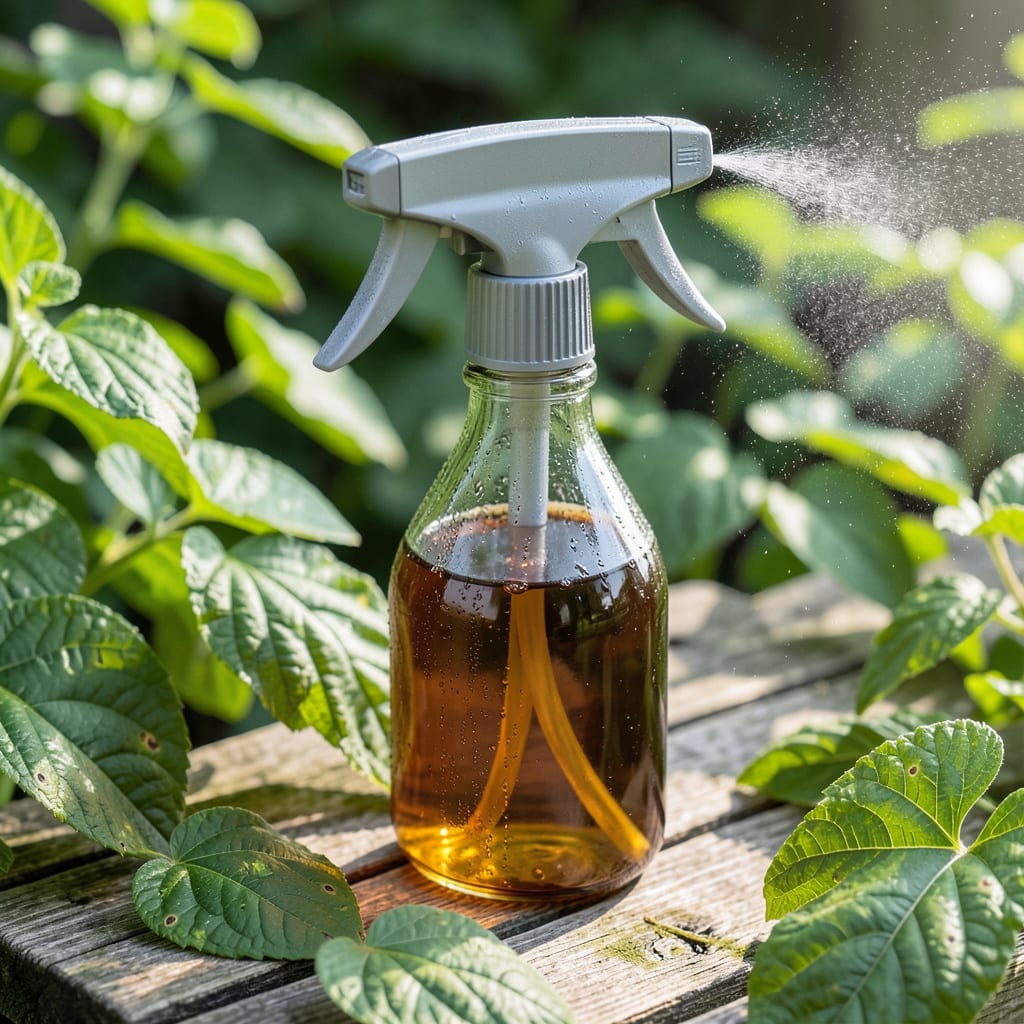
Those brown spots with purple edges on your leaves aren’t sunburn. I first noticed Cercospora on my beets during a wet spring, and it spread faster than I could prune.
This fungus thrives in warm, humid conditions, attacking the foliage of beets, carrots, and many ornamentals. Left unchecked, it weakens plants and reduces yields significantly.
Here’s the thing—prevention beats cure every time. Proper spacing, crop rotation, and morning watering drastically cut infection risks. When it appears, targeted fungicides stop it in its tracks.
You’ll see new growth emerge spot-free within 2-3 weeks of treatment, and your plants will regain their vigorous, healthy appearance by mid-season.
Cercospora leaf spot doesn’t appear out of nowhere—it thrives under specific conditions. Understanding these triggers helps you stop the fungus in its tracks before it spreads.
The Cercospora fungus loves temperatures between 75–85°F (24–29°C) paired with high humidity (above 85%). These conditions speed up spore production and infection. Prolonged leaf wetness—from rain, dew, or overhead irrigation—gives spores the perfect window to germinate and penetrate leaf tissues.
Dense plant canopies or crowded garden beds trap moisture, creating a microclimate ideal for fungal growth. Without proper airflow, leaves stay wet longer, and spores settle easily. This is especially common in beets, Swiss chard, and ornamentals planted too closely together.
The fungus overwinters in fallen leaves, stems, and crop residue. If old infected plant material isn’t removed, spores can survive and reinfect new growth in the next season. Even compost piles with insufficient heat can harbor the pathogen.
Plants stressed by excess nitrogen or potassium deficiencies are more susceptible. Over-fertilization leads to soft, succulent growth that’s easier for Cercospora to invade, while potassium-starved plants have weaker cell walls, reducing their natural resistance.
Cercospora leaf spot can be managed effectively with the right approach. Below are practical solutions mapped to common causes, along with prevention tips to keep your plants healthy.
Fungi thrive in moist environments, so switch to drip irrigation or soaker hoses to keep foliage dry. Water early in the day so leaves dry quickly. Prevention tip: 💡 Avoid watering late in the evening or at night when humidity is high.
Thick foliage traps moisture and encourages fungal growth. Thin out dense plantings and prune affected leaves to improve airflow. Prevention tip: 🌬️ Space plants according to their mature size to allow proper ventilation.
For active infections, use a copper-based fungicide or products labeled for Cercospora, such as chlorothalonil or myclobutanil. Apply every 7–14 days, following label instructions. Prevention tip: ✨ Rotate fungicides to prevent resistance and remove fallen leaves to reduce fungal spores.
Fungal spores overwinter in plant debris. Rake and remove fallen leaves and stems from the garden bed. Prevention tip: 🔥 Dispose of infected material in the trash (not compost) or burn it if permitted.
Weak plants are more susceptible. Use a balanced fertilizer to strengthen plant health, but avoid excessive nitrogen, which promotes tender growth. Prevention tip: 🎯 Test soil regularly and amend as needed for optimal plant vigor.
Apply fungicide every 7–14 days during active infection or as a preventive during humid weather. Always follow the product label for specific intervals and rates.
Yes! Copper-based sprays or neem oil work well for mild cases. For best results, apply in the morning and reapply after rain.
The fungus survives in old plant debris. Remove all infected leaves and stems, and avoid composting them. Clean garden tools between uses.
Most fungicides are safe if used as directed. Check the label for the pre-harvest interval and wash produce thoroughly before eating.
