
Beautiful Plants For Your Interior
Beautiful Plants For Your Interior
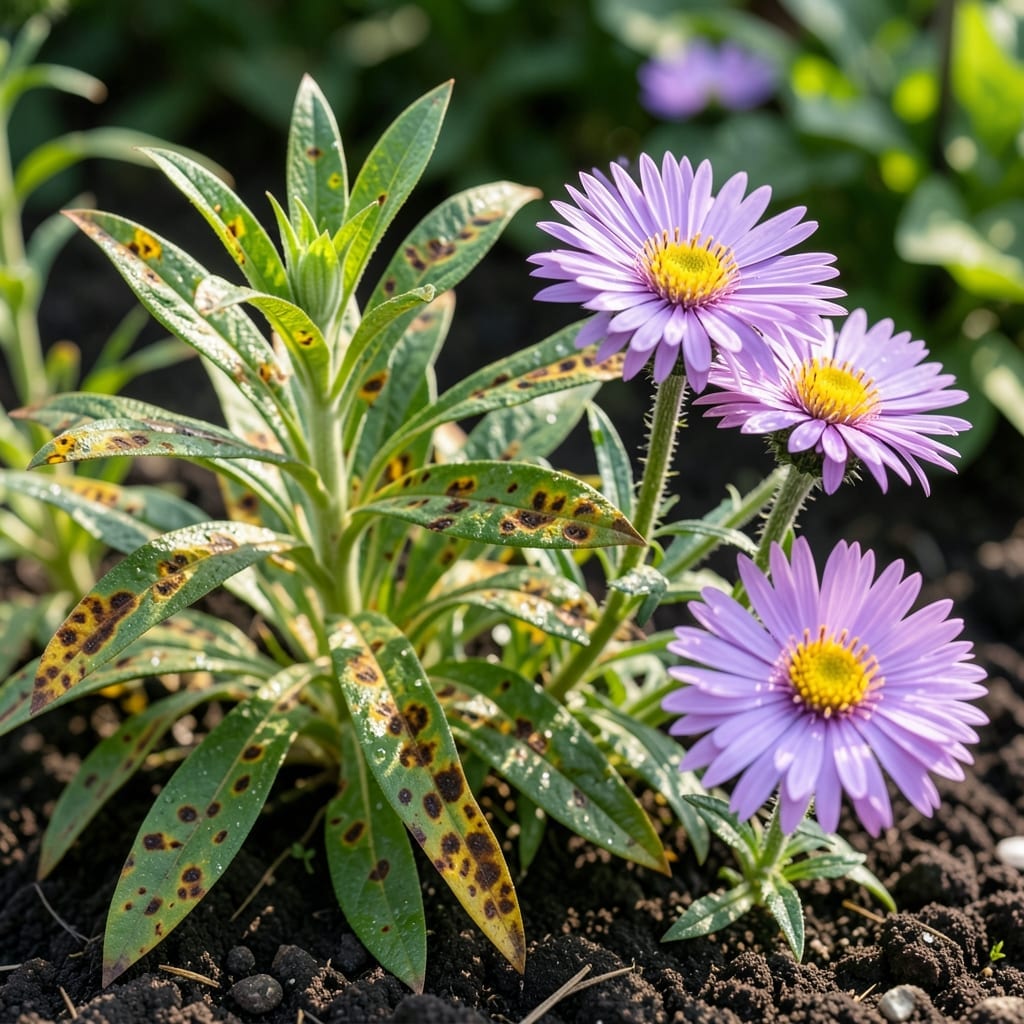
Yellow spots on aster leaves mean trouble. I’ve seen rust turn healthy plants into skeletal stems overnight if left unchecked.
This fungus thrives in wet conditions, spreading fast when foliage stays damp. Early action saves the blooms, and natural remedies work surprisingly well.
You’ll spot orange pustules on undersides first. Remove infected leaves immediately, then treat with neem oil or baking soda spray.
Prevention is simpler: space plants for airflow, water at the base, and clean up fallen debris in fall.
Rust on asters is a common fungal disease that thrives under specific conditions. Below are the primary causes, each with actionable insights to help you prevent or address the issue.
Rust fungi, such as Puccinia species, flourish in damp environments. Overwatering, poor drainage, or high humidity creates the perfect breeding ground. Water droplets on leaves provide the moisture needed for spores to germinate and infect the plant. To minimize risk, water asters at the base in the morning, allowing foliage to dry quickly.
Rust spores activate and spread rapidly in temperatures between 60°F and 75°F (15°C–24°C). Warm, moist conditions accelerate the disease’s lifecycle. If your region experiences such climates, monitor your asters closely during these periods and ensure adequate airflow to disrupt fungal growth.
Crowded plantings or dense foliage restrict airflow, trapping moisture around the leaves. This stagnant environment encourages rust development. Thin out overgrown asters and maintain spacing of at least 18–24 inches between plants to promote ventilation.
Rust fungi can overwinter in soil or on fallen plant debris. If asters were previously infected, spores may linger, reinfecting new growth. Remove and destroy infected plant material, and rotate planting locations to break the disease cycle.
Using unclean pruning tools or contaminated irrigation water can spread rust spores from plant to plant. Sterilize tools with rubbing alcohol between uses, and avoid overhead watering to reduce cross-contamination risks.
Dealing with rust on asters starts with quick action. Below are targeted fixes for common causes, paired with prevention tips to keep your plants thriving.
Fix: Thin out crowded aster plants to allow better airflow. Prune nearby foliage or overhanging branches that block ventilation. Space new plantings at least 18–24 inches apart.
Prevention: Avoid overcrowding in garden beds. Regularly prune dense areas to maintain airflow.
Fix: Switch to early-morning watering so leaves dry quickly in sunlight. Use a soaker hose or drip irrigation to keep foliage dry.
Prevention: Water at the base of plants, not overhead. Ensure good drainage to prevent soggy soil.
Fix: Snip off rust-infected leaves with clean scissors and dispose of them in the trash (not compost). Sterilize tools with rubbing alcohol after each cut.
Prevention: Inspect plants weekly during wet seasons. Remove yellowing or spotted leaves early to stop spread.
Fix: Spray affected plants with a neem oil or baking soda solution (1 tsp baking soda + 1 quart water + a few drops of dish soap). Repeat every 7–10 days until rust clears.
Prevention: Apply a preventative fungicide like copper soap in early spring or after heavy rains.
Fix: Feed asters with a balanced, organic fertilizer to strengthen their resistance. Avoid high-nitrogen mixes, which promote leafy growth vulnerable to rust.
Prevention: Maintain soil health with compost. Healthy plants fight off fungi more effectively.
💡 Pro Tip: Rotate planting locations yearly to prevent rust spores from overwintering in the soil.
Yes, rust spores can travel on wind or water to infect other susceptible plants. Remove infected aster leaves immediately and avoid composting them to prevent spreading to nearby vegetation.
Neem oil or a baking soda spray works effectively. Mix 1 tsp baking soda with 1 quart water and a few drops of dish soap, then apply weekly until the rust clears.
Without treatment, rust can weaken and kill asters within 2-3 weeks in severe cases. Early action, like removing infected leaves and improving airflow, can save your plants.