
Beautiful Plants For Your Interior
Beautiful Plants For Your Interior
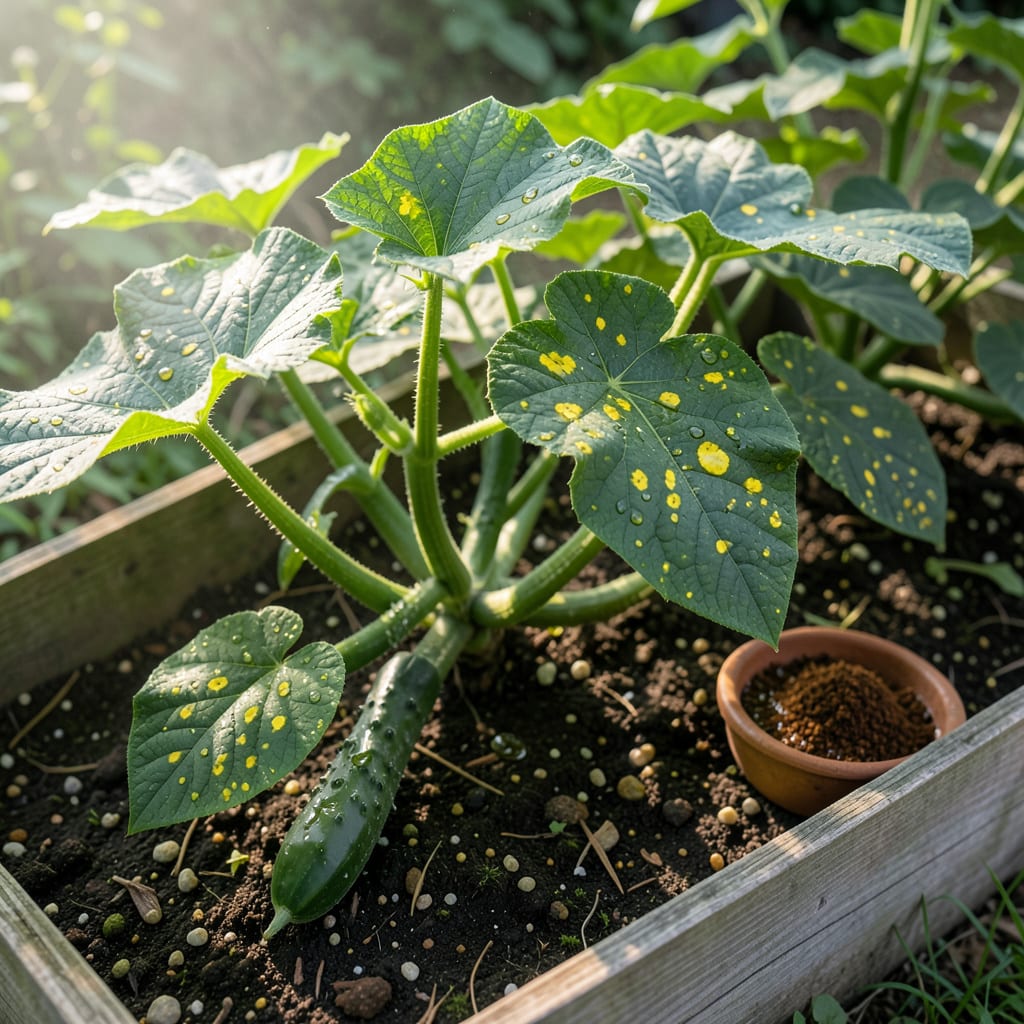
Yellow spots on cucumber leaves aren’t just unsightly—they’re your plants crying for help. I’ve seen entire vines go from thriving to struggling in 48 hours when these spots appear.
Most gardeners panic and reach for harsh chemicals, but the fix is often simpler: adjust watering, improve airflow, or boost nutrients. The key is identifying the real cause before treating. I learned this after losing half my crop one summer.
With the right approach, your cucumbers can bounce back with vibrant green leaves and a harvest that makes neighbors jealous. The solution usually takes less than a week to show results.
Works for container gardens, raised beds, or in-ground plants. Here’s how to diagnose and treat it properly.
Yellow spots on cucumber leaves often signal underlying issues that disrupt the plant’s health. Here are the most common causes, explained clearly:
Pathogens like Cercospora or Alternaria thrive in damp, humid conditions, creating circular yellow or brown spots. These fungi spread via water splashes, so overhead watering worsens the problem. Poor air circulation in crowded gardens also accelerates fungal growth.
Sap-sucking pests such as spider mites, aphids, or whiteflies pierce leaf tissues, causing yellow stippling or mottling. Their feeding disrupts chlorophyll production, leading to discolored patches. Check leaf undersides for tiny insects or webbing.
A lack of magnesium (interveinal chlorosis) or nitrogen (uniform yellowing) often triggers spotty discoloration. Cucumber plants in sandy or overworked soil may struggle to absorb these essential nutrients, especially if pH levels are off (ideal: 6.0–6.8).
Excessive sunlight (scald), sudden temperature swings, or herbicide drift can cause localized yellowing. Cucumbers prefer consistent moisture—drought stress or waterlogged roots also lead to leaf discoloration.
Pseudomonas syringae or Xanthomonas bacteria create small, water-soaked yellow spots that later turn brown. These thrive in wet foliage, often entering through wounds or stomata. Unlike fungal spots, bacterial lesions may have a greasy appearance.
Tackle yellow spots on cucumber leaves with these targeted solutions for each common cause. Early action keeps your plants thriving! 🌱
Mix 1 tsp baking soda + 1 quart water + a few drops of dish soap. Spray leaves weekly until spots fade. Prevention: Space plants for airflow and water at the base to keep leaves dry.
Blast pests off with water, then apply neem oil or insecticidal soap. Repeat every 3–5 days. Prevention: Introduce ladybugs or use reflective mulch to deter pests.
Let soil dry between waterings. Amend heavy soil with compost and ensure pots have drainage holes. Prevention: Stick your finger 1 inch into soil—water only if dry.
Apply Epsom salt solution (1 tbsp per gallon) for magnesium or chelated iron for iron deficiency. Prevention: Test soil annually and use balanced organic fertilizer.
Shade plants with row covers during peak sun (11 AM–3 PM). Prevention: Gradually harden off seedlings and mulch to retain moisture.
Pro Tip: 💡 Always remove severely affected leaves to prevent spread, and sanitize tools between cuts!
Most natural remedies like neem oil or baking soda spray start working within 3-5 days. For severe fungal infections, it may take up to 2 weeks to see full improvement. Consistency is key—reapply treatments as directed.
Yes, but use them as a last resort. Copper-based fungicides work well for fungal issues, but they can harm beneficial soil microbes. Always follow label instructions and wear protective gear.
Fungal and bacterial spots can spread through water splashes or wind. Isolate affected plants and avoid overhead watering. Remove severely infected leaves immediately to prevent contagion.
Yes, as long as you wash them thoroughly. The spots are primarily a cosmetic issue for the leaves. However, if the fruit itself shows signs of rot or disease, discard those cucumbers.
