
Beautiful Plants For Your Interior
Beautiful Plants For Your Interior
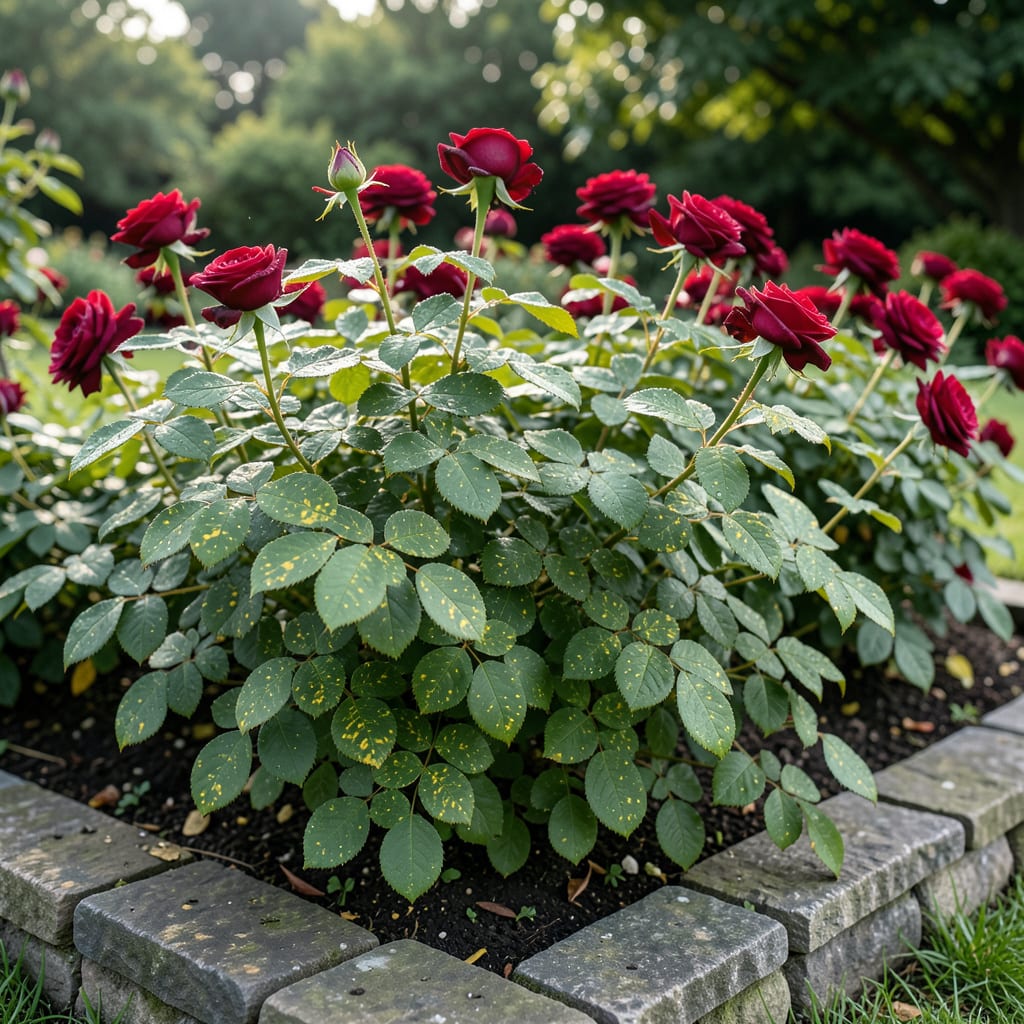
Yellow spots on rose leaves always signal trouble. I’ve seen this pattern enough to know it’s rarely just one issue—usually a mix of stress, pests, or disease ganging up on your plants.
Black spot fungus is the usual suspect, but nutrient deficiencies or spider mites can mimic the same damage. The key is diagnosing early before it spreads to every leaf and cane.
Natural fixes work best here. A baking soda spray stops fungal growth, while neem oil handles pests without chemicals. Consistent care beats any single treatment.
Your roses can bounce back with the right approach. We’ll walk through identification and solutions that restore vibrant green foliage fast.
Yellow spotted leaves on your rose bush can be alarming, but understanding the root causes helps you tackle the issue effectively. Below are the most common culprits, each with a clear explanation and actionable insights.
Fungi like Cercospora or Black Spot (Diplocarpon rosae) thrive in damp, poorly ventilated conditions. These pathogens infect leaves, disrupting chlorophyll production and creating yellow patches with dark borders. Spores spread via water splashes or contaminated tools, so prune affected leaves immediately and avoid overhead watering.
Sap-sucking insects such as aphids, spider mites, or thrips pierce leaf tissues, draining nutrients and leaving behind yellow stippling or spots. Their feeding also introduces toxins that further damage foliage. Inspect leaf undersides and treat with insecticidal soap or neem oil at the first sign of pests.
A lack of essential minerals—particularly magnesium, iron, or nitrogen—can manifest as yellowing between leaf veins (interveinal chlorosis) or scattered spots. Magnesium deficiency, for example, often starts in older leaves, while iron deficiency affects new growth. Conduct a soil test and amend with chelated iron or Epsom salts as needed.
Extreme heat, drought, or excessive sunlight can scorch leaves, leading to yellow or brown spots. Roses prefer consistent moisture and partial shade in hot climates. Mulch around the base to retain soil moisture and provide afternoon shade in scorching regions.
Overuse of herbicides, fungicides, or synthetic fertilizers can burn foliage, causing irregular yellow or necrotic spots. Always follow label instructions and apply treatments during cooler parts of the day to minimize stress.
Addressing yellow spotted leaves on your rose bush starts with identifying the root cause. Below are targeted solutions for common issues, paired with prevention tips to keep your roses thriving.
If black spot or powdery mildew is the culprit, remove infected leaves immediately and discard them (do not compost). Apply a copper-based fungicide or neem oil spray every 7–10 days until the issue clears. Prevention tip: Space plants for airflow, water at the base, and avoid overhead irrigation. 💡
For aphids, spider mites, or thrips, blast them off with a strong stream of water. Apply insecticidal soap or horticultural oil for severe cases. Introduce beneficial insects like ladybugs for long-term control. Prevention tip: Inspect leaves weekly and encourage biodiversity in your garden. ✨
Overwatering or drought can both cause yellowing. Ensure the soil is moist but well-draining—stick your finger 2 inches deep to check. Water deeply 1–2 times per week, more in extreme heat. Mulch around the base to retain moisture. Prevention tip: Use drip irrigation to avoid wetting the foliage. 🌡️
Yellow leaves with green veins may signal iron or magnesium deficiency. Apply a balanced rose fertilizer (10-10-10) or amend soil with compost. For iron deficiency, use chelated iron. Prevention tip: Test soil annually and fertilize in early spring and mid-summer. 🎯
If leaves scorch in intense sun, move potted roses to partial shade or use shade cloth. Ensure new plants are acclimated gradually to sunlight. Prevention tip: Plant heat-tolerant rose varieties in full-sun areas. 🌞
Look for yellow spots with dark edges or black spots on leaves. Fungal issues often appear after wet weather and spread quickly. Check for white powdery residue too.
Blast them off with water, then apply neem oil or insecticidal soap. Repeat every 3-5 days until gone. Isolate affected plants to prevent spreading.
Yes, waterlogged roots can’t absorb nutrients properly, leading to yellowing. Let soil dry slightly between waterings and ensure good drainage.
Apply a balanced fertilizer in early spring and mid-summer. For quick results, use liquid fertilizer every 2-4 weeks during growing season.
