
Beautiful Plants For Your Interior
Beautiful Plants For Your Interior
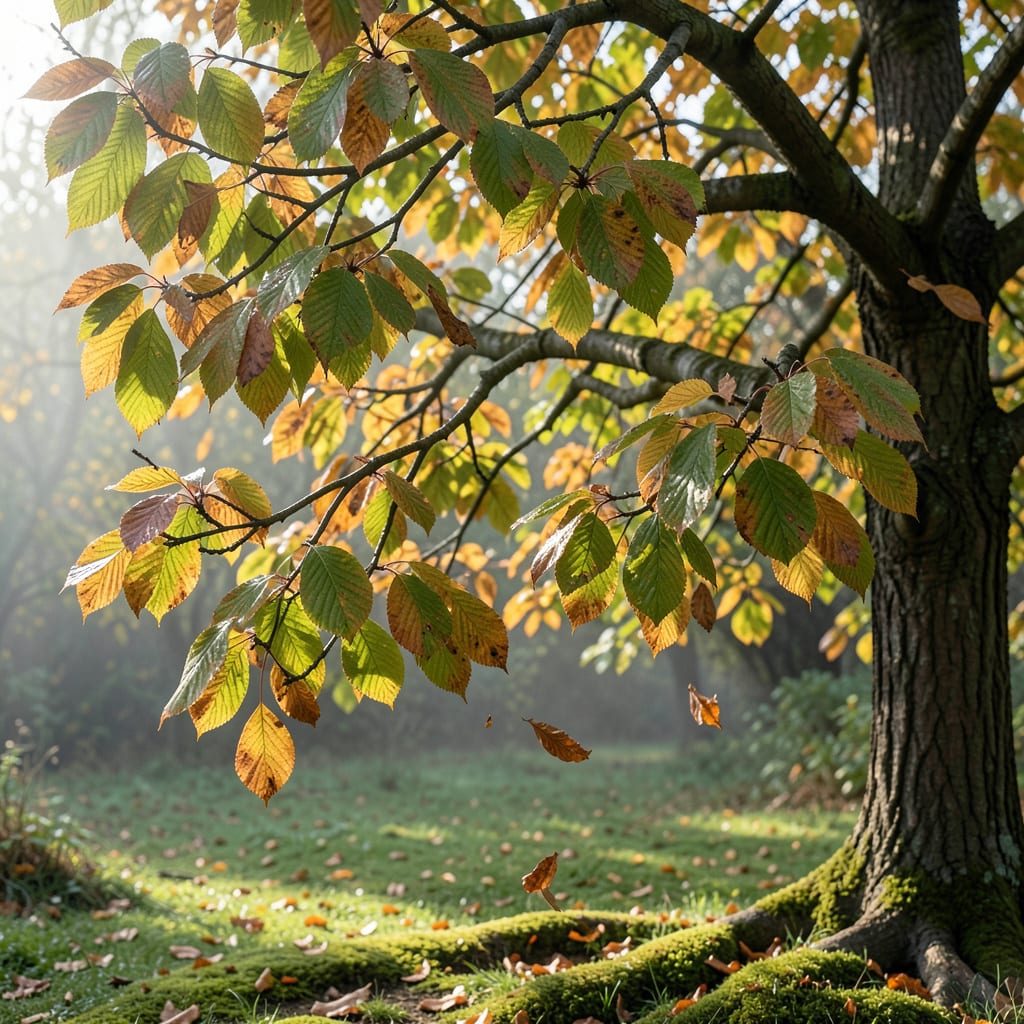
Watching your cherry tree drop yellow leaves feels like a bad omen. I’ve been there, staring at the ground wondering what’s going wrong above.
Between you and me, it’s usually one of four culprits: thirst, hunger, uninvited guests, or a sneaky disease. The good news is each has a natural fix that actually works.
You can nurse those leaves back to health with simple changes—adjusting water, amending soil, or introducing beneficial bugs. I’ve saved three cherry trees this way.
First step is figuring out which problem you’re dealing with. Here’s how to play plant detective.
Cherry tree leaves turning yellow and falling off is often a sign of stress or disease. Here are the most common causes, explained simply:
Lack of essential nutrients like nitrogen, magnesium, or iron can cause chlorosis (yellowing). Nitrogen deficiency starts in older leaves, while iron shortages affect younger growth first. A soil test will confirm the issue, and targeted fertilizers can restore balance.
Too much water suffocates roots, blocking nutrient uptake, while drought stress disrupts photosynthesis. Cherry trees need well-draining soil and consistent moisture—1–2 inches of water per week is ideal. Check soil moisture 2 inches deep; if it’s soggy or bone-dry, adjust your watering routine.
Diseases like leaf spot or powdery mildew cause yellowing and premature leaf drop. Look for spots, white powdery residue, or curled leaves. Improve airflow, remove infected debris, and apply copper-based fungicides early in the season to prevent spread.
Sap-sucking pests like aphids or spider mites drain nutrients, leading to yellow, weakened leaves. Inspect the undersides of leaves for tiny insects or webbing. Neem oil or insecticidal soap can treat mild infestations effectively.
Extreme heat, cold snaps, or sudden temperature swings disrupt a tree’s metabolism. Mulch around the base to insulate roots, and provide shade cloth during heatwaves. Young trees are especially vulnerable—protect them with burlap wraps in winter.
If your cherry tree’s leaves are turning yellow and dropping, act fast to restore its health. Below are targeted solutions for the most common causes, along with prevention tips to keep your tree thriving.
Fix: Check the soil—if it’s soggy or smells musty, cut back on watering immediately. Ensure the tree is planted in well-draining soil, and consider amending it with compost or sand. For potted cherry trees, make sure the container has drainage holes.
Prevention: Water only when the top 1-2 inches of soil are dry. Use a moisture meter to avoid guesswork. 💡 Pro tip: Mulch around the base to retain moisture without waterlogging.
Fix: Remove and destroy infected leaves and branches to stop the spread. Apply a natural fungicide like neem oil or copper sulfate spray, following the product instructions. Prune the tree to improve airflow, which helps prevent fungal growth.
Prevention: Avoid overhead watering—use a soaker hose or drip irrigation instead. Keep the area around the tree clean and free of debris where fungi can thrive.
Fix: Inspect the leaves and branches for pests like aphids, mites, or scale insects. Blast them off with a strong stream of water or apply insecticidal soap. For severe infestations, use horticultural oil or introduce beneficial insects like ladybugs.
Prevention: Regularly check your tree for early signs of pests. Encourage biodiversity in your garden to naturally keep pest populations in check.
Fix: Test your soil to identify missing nutrients. Yellowing leaves often indicate a lack of nitrogen, iron, or magnesium. Use a balanced fertilizer or add organic amendments like compost, bone meal, or Epsom salts (for magnesium).
Prevention: Fertilize your cherry tree annually in early spring. ✨ Pro tip: Avoid over-fertilizing, as this can harm the tree and pollute waterways.
Fix: If your tree is exposed to extreme temperatures, frost, or drought, provide temporary shade or a windbreak. Water deeply during dry spells, and mulch to protect the roots. For frost damage, prune affected branches to encourage new growth.
Prevention: Plant cherry trees in a location with consistent conditions. Choose varieties suited to your climate for long-term resilience.
Not always. While diseases can cause yellowing, stress from overwatering or nutrient deficiencies is just as common. Check soil moisture and leaf patterns first before assuming illness.
New growth typically appears within 2-4 weeks if the issue is addressed early. Severely damaged leaves won’t regreen, but the tree should stop dropping them once conditions improve.
A 1:1 water-soap solution works for mild aphid infestations. Spray directly on pests, not the whole tree. For mites, a strong water blast often dislodges them effectively.
