
Beautiful Plants For Your Interior
Beautiful Plants For Your Interior
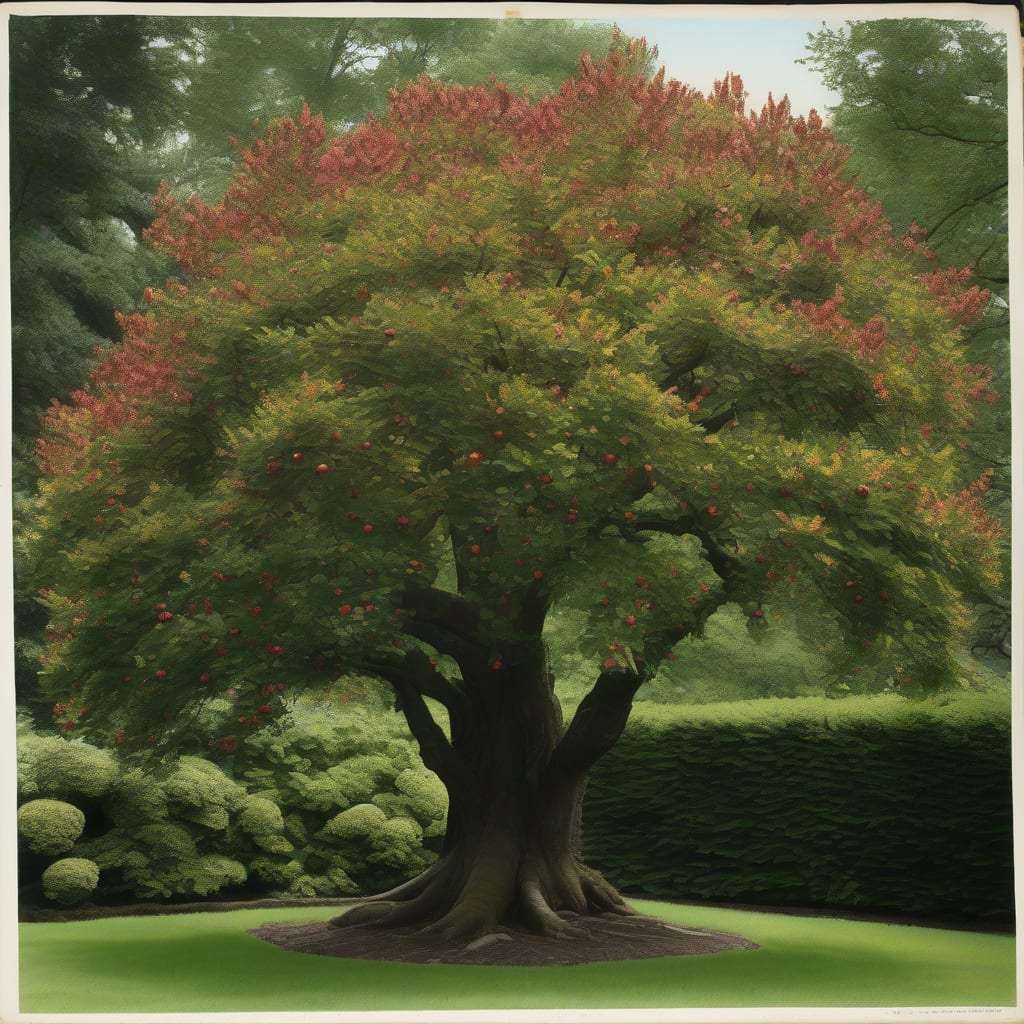
When planting a Cherry Tree 🌳 in your garden, understanding its growth potential is essential for proper planning. The mature height can vary significantly based on factors like rootstock and pruning practices.
Typically, a standard Cherry Tree can grow between 15-25 feet tall, while dwarf varieties reach 8-12 feet. Knowing these dimensions helps you choose the right location and care for your tree effectively.

Understanding the factors that influence cherry tree height is crucial for gardeners and landscapers. The mature height of a cherry tree can vary significantly based on several key elements 🌳.
Soil quality plays a critical role in determining how tall a cherry tree will grow. Nutrient-rich soil with proper drainage allows trees to reach their full potential height. Soil pH between 6.0 and 6.8 is ideal for most cherry tree varieties.
Climate conditions significantly impact cherry tree growth. Cooler climates tend to produce slower-growing trees, while warmer regions can lead to more vigorous growth. Understanding local climate patterns helps in selecting the right cherry tree variety.
Rootstock selection is another crucial factor in determining cherry tree height. Dwarf rootstocks limit tree growth to 8-12 feet, while standard rootstocks allow trees to reach 15-25 feet.
Pruning practices play a vital role in managing cherry tree height. Regular pruning helps maintain the desired tree size while promoting healthy growth and fruit production.
Understanding these growth factors helps gardeners make informed decisions about cherry tree selection and care 🌱.
Different cherry tree varieties have unique growth characteristics that affect their mature height. Understanding these differences is essential for proper garden planning.
By considering these factors, Uncle Bill can make informed decisions about cherry tree selection and care for optimal growth and fruit production 🌳.
Proper planning and maintenance are crucial for achieving the desired height and health of cherry trees in any garden setting.
Regular monitoring of tree growth allows for timely adjustments to pruning and care practices, ensuring optimal tree development.
By combining the right rootstock with appropriate care practices, gardeners can achieve their desired cherry tree height and enjoy bountiful harvests for years to come.
Effective cherry tree management involves balancing natural growth patterns with horticultural practices to achieve the desired tree size and productivity.
Understanding the average height ranges for different cherry tree varieties is essential for garden planning and management. Cherry trees come in various types, each with its unique growth characteristics and mature height 🌳.
The height of cherry trees can vary significantly based on the variety. Sweet cherry trees typically grow taller than sour cherry trees. Standard cherry trees can reach heights of 20-25 feet, while dwarf varieties remain much shorter at 8-12 feet.
Different cherry tree varieties have distinct growth patterns that affect their mature height. Understanding these differences helps gardeners choose the right tree for their space 🌟.
Sweet cherry trees are known for their vigorous growth and can reach heights of 20-25 feet. They require more space and regular pruning to maintain a manageable size.
Sour cherry trees are generally smaller, growing to 15-20 feet tall. They have a more compact growth habit, making them suitable for smaller gardens.
Dwarf cherry trees are the most compact, reaching heights of 8-12 feet. They are ideal for small gardens, containers, or where space is limited.
Semi-dwarf cherry trees offer a balance between size and fruit production, growing to 12-18 feet tall. They are a popular choice for home gardeners who want a manageable tree with good fruit yield.
When selecting a cherry tree variety, consider the mature height and growth characteristics to ensure the tree fits well in your garden space 🌳.
Proper planning based on the expected height of your cherry tree variety helps in maintaining a balanced garden ecosystem and optimizing fruit production 🌱.
By understanding the average height ranges for different cherry tree varieties, gardeners can make informed decisions about tree selection and placement in their gardens.
Effective management of cherry tree height is crucial for maintaining tree health and optimizing fruit production. Proper pruning and training techniques help control tree size while promoting vigorous growth 🌳.
Pruning is essential for managing cherry tree height and shape. Regular pruning helps remove dead or diseased branches, improves air circulation, and allows more sunlight to penetrate the canopy, resulting in better fruit quality 🌟.
Remove dead, diseased, or crossing branches to maintain tree health
Prune central leader to maintain desired height and promote lateral growth
Thin out crowded branches to improve air circulation and sunlight penetration
Training young cherry trees is critical for establishing a strong structure. Proper training involves selecting well-spaced branches and removing competing leaders to create an open center or modified central leader system 🌳.
Regular maintenance pruning helps maintain the desired tree size and promotes fruiting. By combining proper pruning techniques with appropriate training methods, gardeners can effectively manage cherry tree height and enjoy healthy, productive trees 🌱.
Understanding and implementing these pruning and training techniques is essential for successful cherry tree management and optimal fruit production 🌟.
