
Beautiful Plants For Your Interior
Beautiful Plants For Your Interior
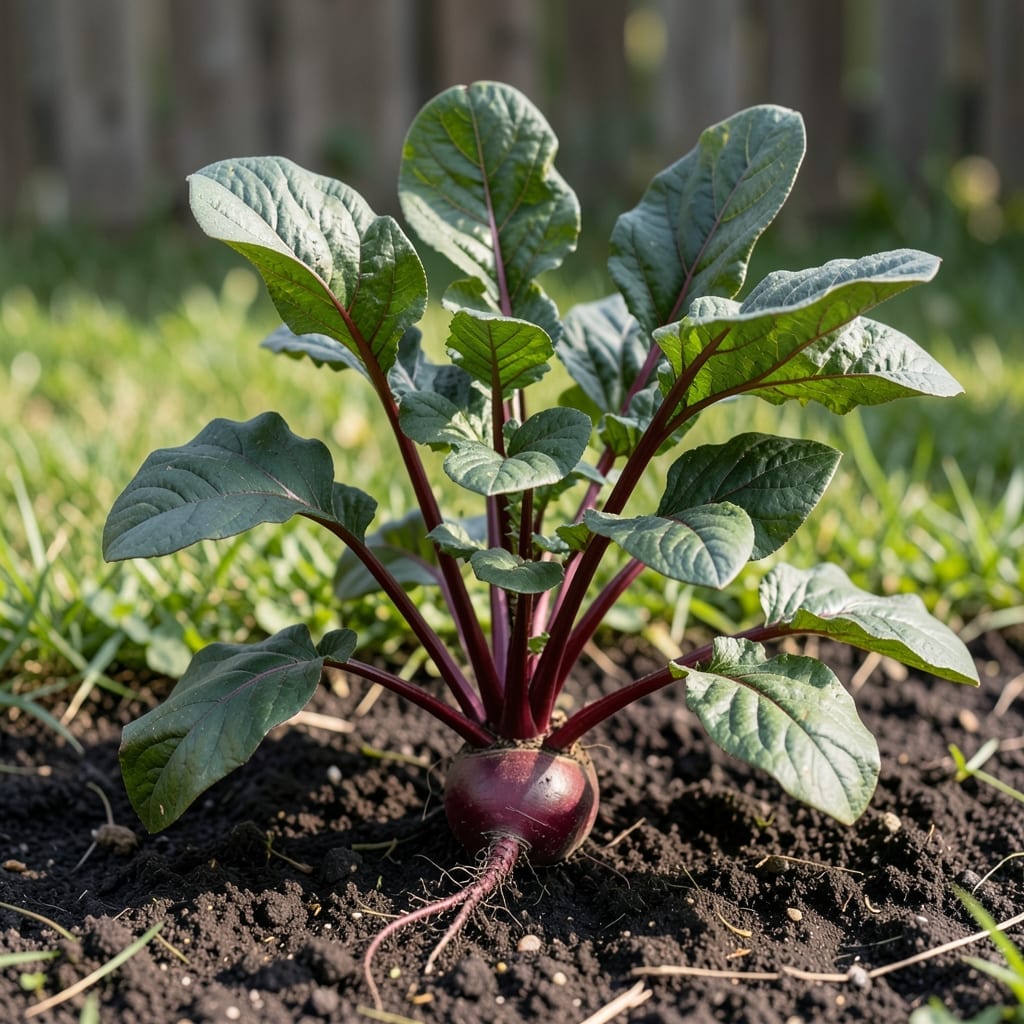
I grew beetroot for the roots until I tasted the leaves. 🌱 These greens deliver twice the harvest from one plant, with a mild, spinach-like flavor that’s perfect fresh or cooked.
Organic growing keeps them vibrant and healthy. Start seeds in well-drained soil, thin seedlings to 4 inches apart, and harvest outer leaves as needed to encourage continuous growth.
📚 In This Guide
This method delivers vibrant, nutrient-packed greens with minimal effort and maximum flavor.
Choose a location with full sun to partial shade—beetroot leaves tolerate less direct light than the roots do. I prefer raised beds or containers at least 8-12 inches deep to accommodate the taproot while focusing on leaf production. Work the soil to a fine tilth, removing any rocks or debris that might obstruct root growth.
Test your soil pH; beetroot leaves thrive in a range of 6.2-7.0. If your soil is too acidic, add a handful of lime per square foot and mix it in thoroughly. The goal is loose, well-draining soil that retains moisture without becoming waterlogged.
Plant seeds ½ inch deep and 2-3 inches apart in rows spaced 12-18 inches apart. Beetroot seeds are actually clusters, so you’ll often get multiple sprouts from a single seed. Thin seedlings to 4-6 inches apart once they develop their first true leaves—this prevents overcrowding and ensures healthy leaf growth.
Water the soil lightly after planting to settle it around the seeds. Keep the soil consistently moist but not soggy; you’ll see germination in 7-14 days when the soil temperature is between 50-85°F. A light mulch of straw can help retain moisture and regulate temperature.
Once seedlings emerge, water deeply at the base 2-3 times per week, ensuring the soil stays evenly moist. Beetroot leaves are 80% water, so consistent hydration is key to preventing bitter or tough greens. I use a drip irrigation system to deliver water directly to the roots and avoid wetting the foliage, which can lead to disease.
Fertilize lightly with a balanced organic fertilizer (like 5-5-5) every 3-4 weeks. Avoid high-nitrogen fertilizers, which can cause excessive leaf growth at the expense of root development. Watch for yellowing leaves, a sign of nitrogen deficiency, and adjust accordingly.
Begin harvesting leaves when they reach 4-6 inches long, usually 30-40 days after sowing. Use clean scissors to snip outer leaves first, leaving the inner leaves to continue growing. This method allows the plant to keep producing fresh greens for 6-8 weeks or longer.
Never remove more than one-third of the foliage at a time—this stresses the plant and slows down regrowth. If you notice the leaves becoming tough or bitter, it’s a sign to harvest more frequently or provide additional shade during the hottest part of the day.
Keep an eye out for common pests like aphids or flea beetles, which can skeletonize leaves overnight. Aphids often cluster on the undersides of leaves, so inspect regularly. I use a strong blast of water to dislodge them, or apply neem oil if the infestation persists.
Prevent fungal diseases like leaf spot by ensuring good air circulation around the plants. Space rows appropriately, and avoid overhead watering. If you spot brown or black spots on the leaves, remove affected foliage immediately and treat with a copper-based fungicide if necessary.
Small adjustments in your approach can make a big difference in growing vibrant, healthy greens.
Soil Preparation: In Step 1, don’t skip testing your soil pH—that 6.2-7.0 range is critical for beetroot leaves to thrive. If your soil is too acidic, adding lime as directed will create the perfect foundation. Loose, well-draining soil prevents waterlogging while retaining just enough moisture for those tender leaves.
Sowing Depth Matters: Planting seeds exactly ½ inch deep in Step 2 ensures proper moisture contact without suffocating the seedlings. I learned the hard way that going deeper delays germination, while shallower planting can expose seeds to drying out before they sprout.
Harvesting Technique: When you reach Step 4, remember to snip only outer leaves first, never removing more than one-third of the foliage at once. This method keeps your plants producing continuously for that 6-8 week window. Confession: I ignored this once and my plants took weeks to recover.
Pest Prevention: For Step 5, inspect leaf undersides regularly for aphids—they love to hide there. A strong blast of water often solves the problem before it starts. If you do spot brown spots, act fast with copper fungicide to prevent leaf spot from spreading through your crop.
Yes! Red beetroot leaves are edible raw and packed with nutrients. They have a mild, earthy flavor similar to spinach. Just wash them thoroughly to remove dirt or pesticides before adding to salads or smoothies.
Water consistently to keep the soil moist but not soggy. Aim for 1-1.5 inches of water per week, adjusting for rainfall. Overwatering can lead to leaf rot, so ensure good drainage.
Aphids, flea beetles, and leaf miners are typical pests. Use row covers or organic sprays like neem oil to protect your plants. Regularly inspect leaves for early signs of infestation.
Yellow leaves often indicate nutrient deficiencies (like nitrogen) or overwatering. Check soil moisture and fertility. If the issue persists, test soil pH and adjust as needed (ideal range: 6.0-7.0).
Yes! While beetroots grow both leaves and roots, you can harvest leaves alone. Snip outer leaves first to encourage new growth, leaving the center intact for continuous yields.