
Beautiful Plants For Your Interior
Beautiful Plants For Your Interior
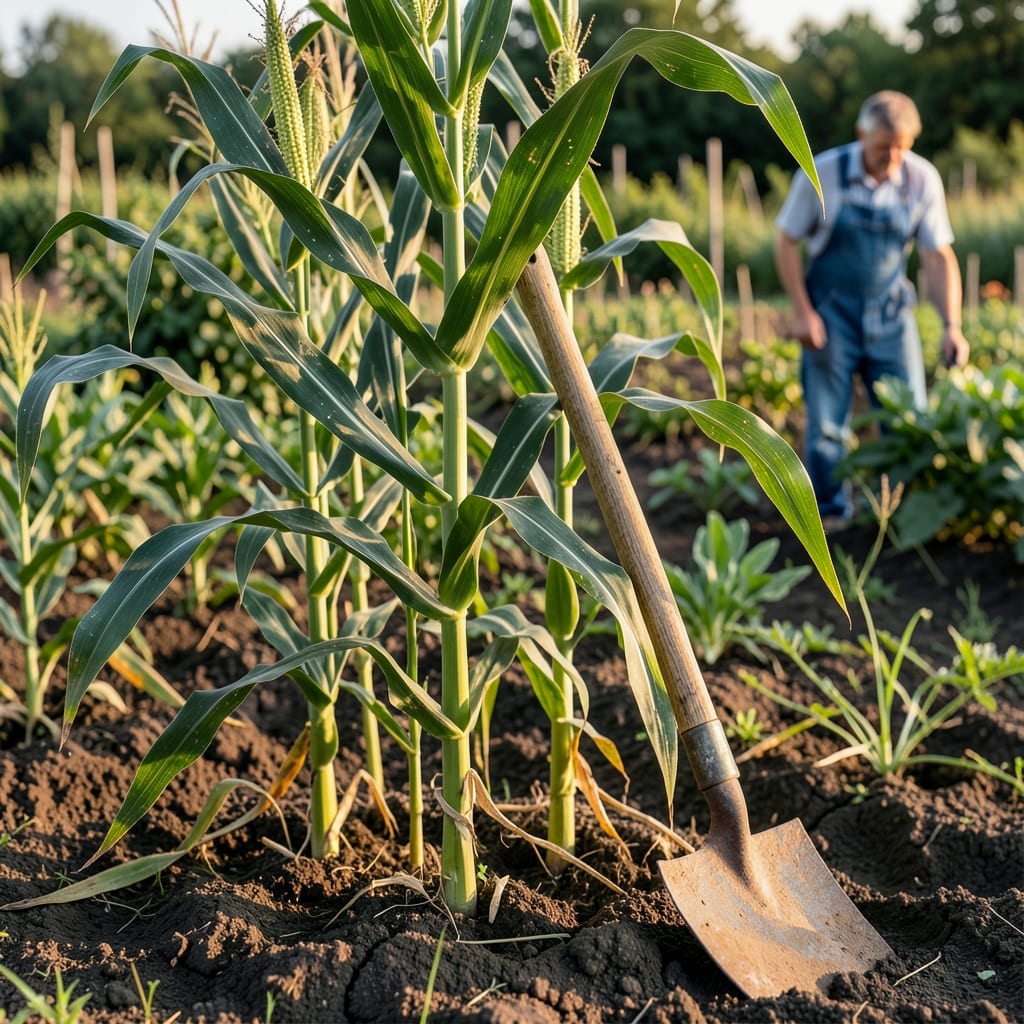
Cultivating in agriculture involves preparing land and growing crops through soil preparation, planting, nurturing, and harvesting to optimize plant health and yield.
I see this as the foundation of farming, where every step builds on the last. Soil preparation sets the stage by loosening earth and adding nutrients, while nurturing includes watering, pest control, and pruning to guide growth. What fascinates me is how these practices adapt to different climates and crops. 🔥
In my experience, successful cultivation requires patience and observation. Harvesting at the right moment ensures peak flavor and yield, making all the effort worthwhile. ✨
💡 In This Article
At its heart, this process transforms raw land into productive soil. Tilling breaks up compacted earth, allowing roots to penetrate 6-12 inches deeper while improving drainage. This aeration boosts microbial activity, which converts organic matter into plant-available nutrients. 🔥
Weeding removes competition for water and sunlight, giving crops a 70-90% growth advantage. Manual methods like hoeing work for small plots, while mechanical cultivators handle 50+ acres efficiently. The timing matters—early removal prevents weeds from seeding and spreading.
Soil amendment involves adding compost or fertilizer to address deficiencies. A soil test revealing pH 5.5 might require lime to reach the ideal 6.0-7.0 range for most vegetables. This adjustment unlocks nutrients like phosphorus that become unavailable in acidic conditions. ✨
Irrigation methods vary by crop and climate. Drip systems deliver water directly to roots, using 30-50% less than traditional methods while reducing disease risk. In arid regions, farmers often combine this with mulching to retain moisture and suppress weeds.
Crop rotation breaks pest and disease cycles naturally. Planting legumes like beans or peas after heavy feeders like corn replenishes nitrogen in the soil. This practice can increase yields by 10-25% while reducing fertilizer needs. ⚡
Each technique builds on the others, creating a system where plants thrive. The best farmers observe their land closely, adjusting methods based on weather, soil conditions, and plant responses throughout the growing season.
Begin with soil testing to check pH and nutrient levels. Then clear debris and loosen the soil to 6-12 inches deep. This improves drainage and root penetration for healthier plants.
It prevents soil depletion and breaks pest cycles naturally. Planting legumes after heavy feeders like corn can boost yields by 10-25% while reducing fertilizer needs.
Yes, but scaled down. Hand tools replace machinery for 1-5 acre plots. The principles remain the same: soil health, water management, and pest control are key.
Add compost or organic matter at least once per growing season. For depleted soils, test annually and amend as needed to maintain pH 6.0-7.0.